Dollar Slips on De-Escalation Hopes in Iran Conflict
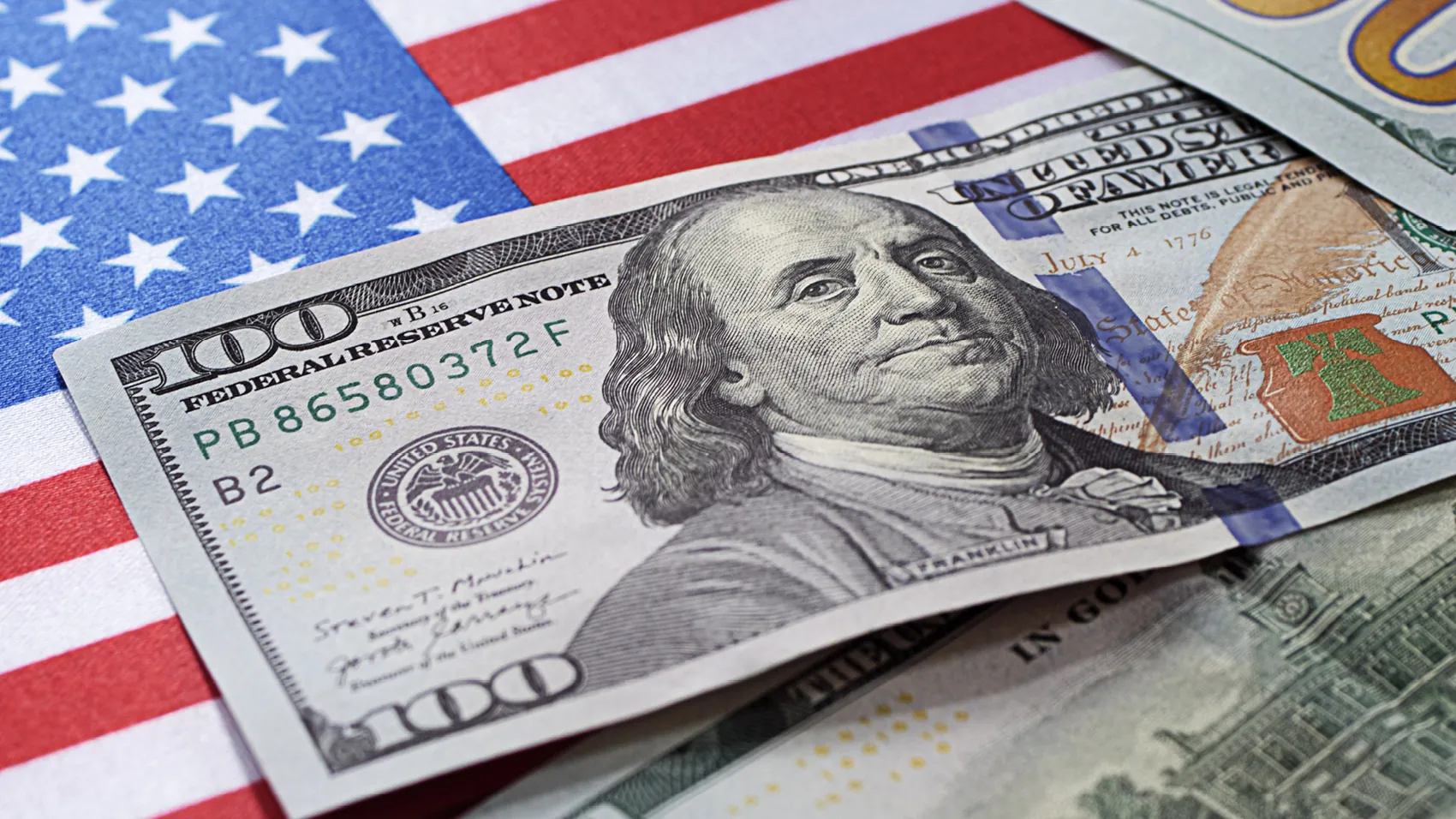
The U.S. dollar edged lower on Tuesday following reports suggesting a possible de-escalation in the conflict involving the U.S., Israel, and Iran. Despite the decline, the dollar remains on track for its strongest quarterly performance since Q3 2024, supported by continued safe-haven demand amid uncertainty surrounding the conflict.
Trump Signals Willingness to End Iran Campaign
Donald Trump has reportedly told advisers he is open to ending the military campaign against Iran, even if the Strait of Hormuz remains largely closed. According to The Wall Street Journal, the administration may postpone efforts to fully reopen the vital oil route.
At the same time, tensions remain high. Tehran reportedly attacked and set fire to a fully loaded oil tanker near Dubai. In response, Trump urged countries not involved in the conflict to step up and secure their own oil supply routes.
Market Uncertainty Keeps Dollar Supported
According to Shaun Osborne, markets are struggling to interpret the constant flow of conflicting headlines. He noted that while the dollar may appear overvalued, it is likely to remain supported as long as geopolitical risks persist and market volatility stays elevated.
Ongoing fears that the conflict could expand or have long-term economic consequences continue to weigh on investor sentiment.
Safe-Haven Demand and Oil Dynamics
Since the conflict began in late February, the dollar has benefited from safe-haven inflows. The United States’ position as a net energy exporter has also helped cushion the impact of oil supply disruptions compared to other economies.
Additionally, trading activity on Tuesday was influenced by investors adjusting positions ahead of month-end and quarter-end.
Dollar Index and Major Currency Moves
The dollar index, which tracks the greenback against major currencies such as the euro and the yen, fell 0.56% to 100.00. However, it remains on track for a 2.5% monthly gain and a 1.85% rise for the first quarter.
The euro climbed 0.59% to $1.1532, though it is still heading for a 2.5% monthly decline and a 1.9% quarterly loss—its weakest performance since Q3 2024.
The British pound rose 0.56% to $1.326 but is set for a 1.75% monthly drop and a 1.65% quarterly decline.
Yen Rebounds as Japan Signals Intervention
The Japanese yen strengthened 0.37% to 159.1 per dollar, marking its second consecutive day of gains. Japanese officials have intensified warnings about potential currency intervention.
Satsuki Katayama reiterated that authorities are prepared to act “on all fronts” to address excessive volatility. She also described recent yen weakness as speculative, signaling increased scrutiny on currency traders.
Bitcoin Edges Higher
In the cryptocurrency market, Bitcoin rose 1.19% to $67,386, continuing its upward momentum amid broader market uncertainty.