Dollar Weakens as Iran Peace Prospects Come Into Focus
The U.S. dollar edged lower on Wednesday as investors weighed growing expectations that Washington and Tehran could be moving toward negotiations to end a conflict that has now lasted nearly a month.
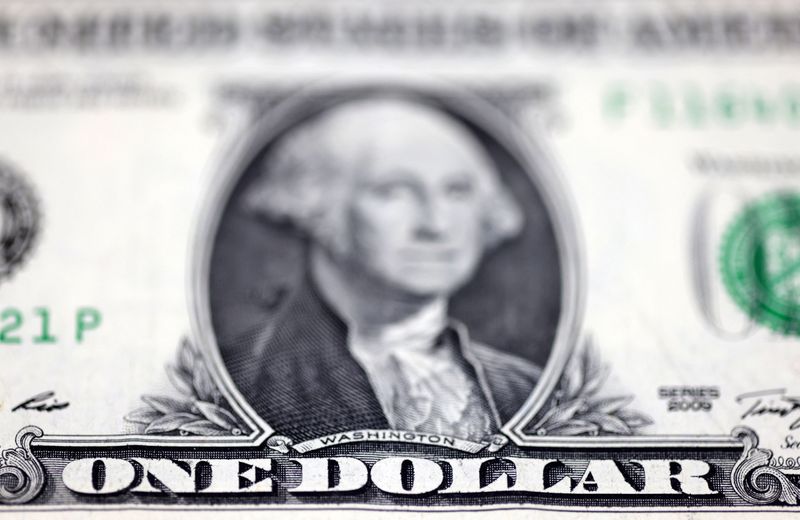
By 06:09 ET (10:09 GMT), the dollar index—which measures the greenback against a basket of six major currencies—declined by 0.1% to 99.30.
Euro and Pound Hold Steady Against the Dollar
In the broader currency market, the euro remained largely unchanged at $1.1602, while the British pound traded steadily at $1.3404 against the dollar.
Markets Remain Cautious Despite Optimism
Although there is increasing optimism around a potential diplomatic resolution, investors remain cautious. Conflicting signals from both the U.S. and Iran regarding the progress of negotiations have kept traders on edge.
Reports suggest that President Donald Trump is seeking a way to de-escalate the situation, with the U.S. presenting Iran with a proposed 15-point peace framework.
Key Issues: Nuclear Demands and Strait of Hormuz
Central to the proposal are demands for Iran to dismantle key nuclear facilities. Additionally, the U.S. is pushing for the reopening of the Strait of Hormuz—a critical global shipping route that has been largely closed to tanker traffic in recent weeks.
The disruption has significantly increased energy prices and raised concerns about a potential surge in global inflation.
Iran’s Stance Adds Uncertainty
Iran appears to be setting strict conditions for any agreement, reportedly including the introduction of transit fees for vessels passing through the strait. Meanwhile, an Iranian military spokesperson downplayed the likelihood of an immediate resolution, stating that the U.S. is effectively “negotiating with itself.”
Oil Prices Retreat but Remain Elevated
Brent crude, the global oil benchmark, has dropped below the $100-per-barrel level. However, prices are still significantly higher than the approximately $70 per barrel seen before the conflict began in late February.
Inflation Risks and Central Bank Response
Rising energy costs have intensified concerns about inflation, prompting speculation that central banks may adopt more aggressive monetary policies.
Speaking in Germany, European Central Bank President Christine Lagarde indicated that further policy tightening could be justified, even if inflation proves to be only temporary.
Volatility Persists Across Global Markets
Analysts note that ongoing volatility in currency markets, oil prices, and broader risk assets reflects how closely trading activity is tied to developments in the Iran conflict. As the situation evolves rapidly, markets are likely to remain sensitive to any new headlines.