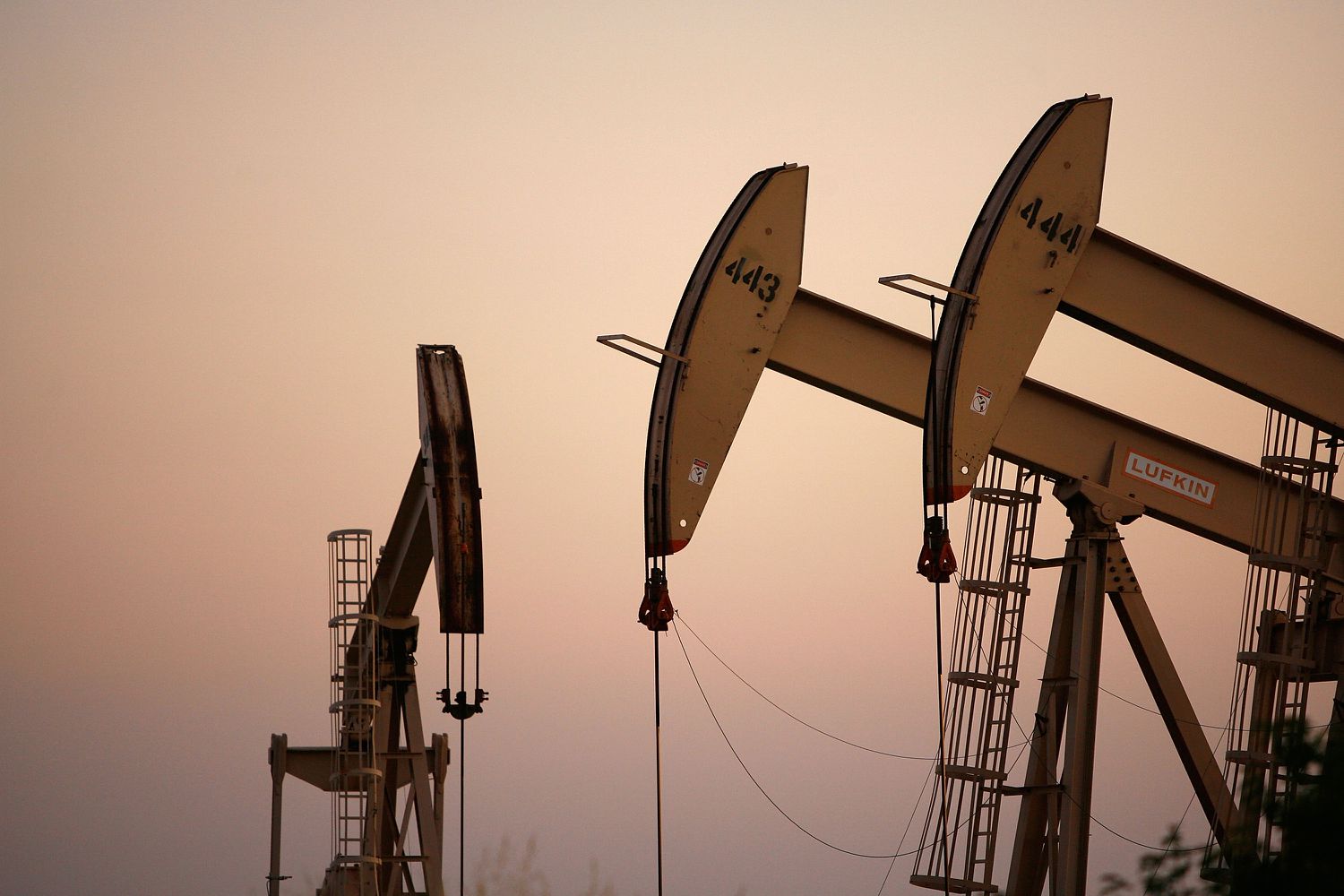
Oil prices declined slightly over 1% on Wednesday, following unexpected surges in U.S. gasoline and diesel inventories, which added to supply concerns amid OPEC+ plans to boost production and ongoing trade tensions dimming demand prospects.
Brent crude futures ended the day down 77 cents, or 1.2%, at $64.86 a barrel, while U.S. West Texas Intermediate (WTI) crude dropped 56 cents, or 0.9%, to settle at $62.85.
According to the Energy Information Administration (EIA), U.S. gasoline inventories jumped by 5.2 million barrels—far exceeding analysts’ forecast of a 600,000-barrel increase. Similarly, distillate stocks rose by 4.2 million barrels, much higher than the expected 1 million.
Meanwhile, crude oil stockpiles decreased by 4.3 million barrels, a sharper drawdown than the anticipated 1 million-barrel drop, largely due to increased refinery demand.
UBS analyst Giovanni Staunovo called the data bearish, noting that although refinery demand led to a sizable crude draw, the build-up in refined products indicated weaker demand following Memorial Day.
Investor sentiment was also weighed down by OPEC+’s commitment to raise production by 411,000 barrels per day in July. This followed Tuesday’s 2% rally, fueled by fears of supply disruptions and expectations that Iran would reject a key U.S. nuclear proposal that could ease oil sanctions.
Russia’s oil and gas revenues dropped 35% in May, possibly making the country more hesitant to support further OPEC+ output hikes, given their downward pressure on prices.
Additionally, the Organisation for Economic Co-operation and Development (OECD) downgraded its global growth forecast, citing the negative impact of President Trump’s trade policies on the U.S. economy, which could also suppress oil demand.
President Trump and Chinese President Xi Jinping are expected to speak this week amid escalating tensions, after Trump accused China of violating a recent agreement on tariff relief.
The Federal Reserve noted a downturn in U.S. economic activity and rising costs linked to higher tariffs since its last policy meeting.
Geopolitical tensions also escalated after Russian President Vladimir Putin warned Trump that Moscow would respond to a series of Ukrainian drone attacks and a deadly bombing on a strategic bridge.
Ole Hansen of Saxo Bank cautioned that oil prices have limited upside, given concerns over oversupply and slowing demand growth.
Meanwhile, Canadian oil production is recovering from wildfire disruptions. Canadian Natural Resources announced the restart of its Jackfish 1 oil sands facility in Alberta, as the fires had moved to a safer distance. Wildfires had previously cut Canada’s oil output by approximately 344,000 barrels per day, according to Reuters.