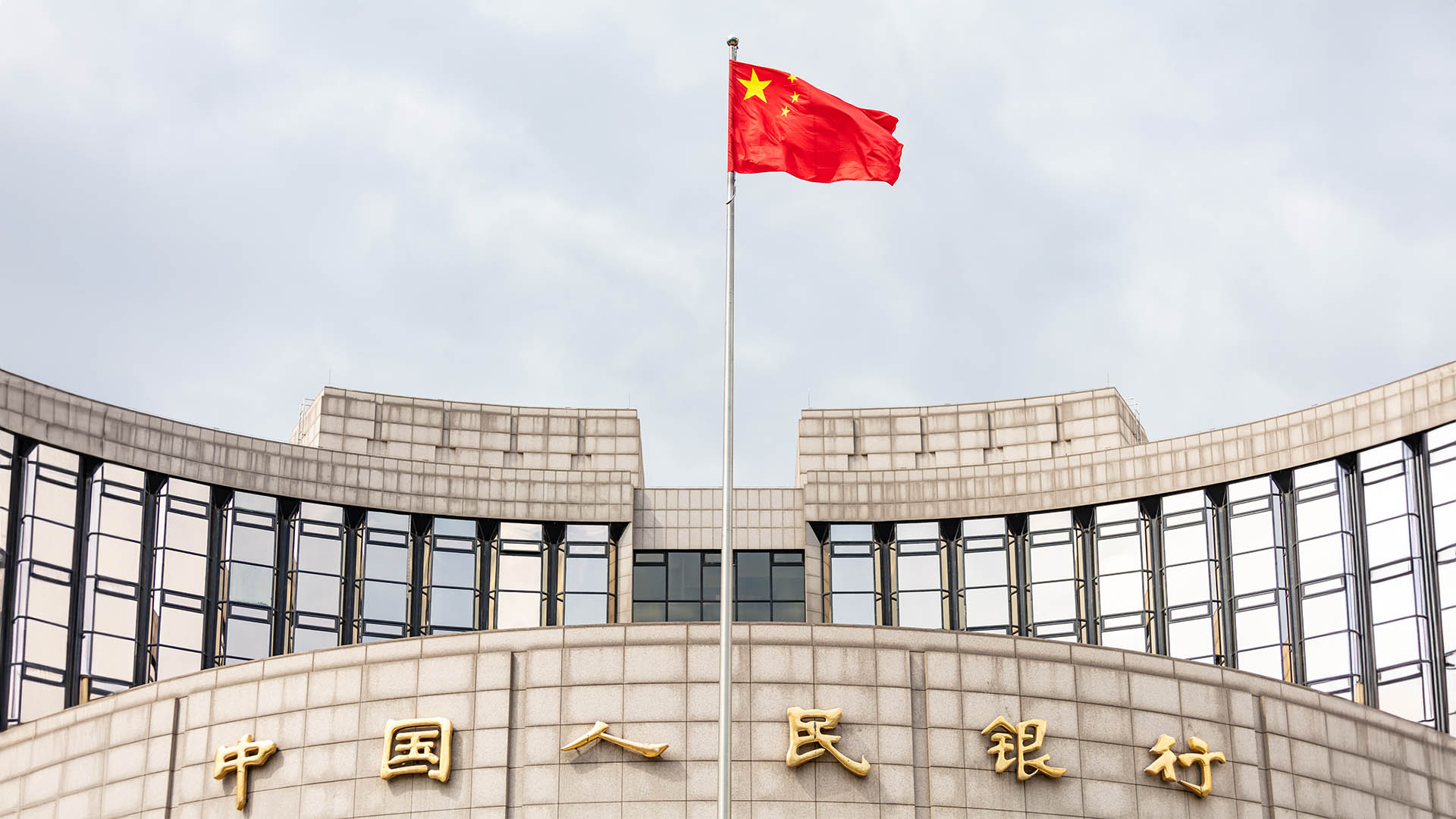
China Expected to Keep Lending Rates Unchanged Amid U.S. Tensions
China is likely to maintain its benchmark lending rates for the fifth straight month in October, according to a Reuters survey, as policymakers take a cautious stance amid renewed U.S.-China trade tensions.
Trade Tensions Add Pressure on Beijing
The world’s two largest economies are once again escalating their trade dispute. Beijing recently tightened export controls on rare earth materials, prompting U.S. President Donald Trump to threaten additional 100% tariffs on Chinese imports.
Market analysts believe China’s monetary policy decisions will depend heavily on how these trade developments evolve and how they affect the broader domestic economy.
Lending Rates Expected to Stay Steady
China’s Loan Prime Rate (LPR) — the key benchmark charged to the most creditworthy borrowers — is reviewed monthly by the People’s Bank of China (PBOC) after proposals from 20 commercial banks.
All 27 economists surveyed by Reuters predicted that both the one-year LPR (3.00%) and the five-year LPR (3.50%) would remain unchanged this month.
The consensus follows the PBOC’s decision to keep its seven-day reverse repo rate — a key policy tool — steady since the U.S. Federal Reserve resumed rate cuts last month.
“No change is expected after the PBOC stood pat,” said Lynn Song, chief economist for Greater China at ING.
Waiting for Economic Data Before Policy Shifts
Traders expect the central bank to maintain current rates until the release of China’s third-quarter GDP and economic activity data, due Monday. However, some still anticipate monetary easing later this year if growth slows further.
“Monetary policy will stay accommodative amid renewed U.S.-China trade uncertainties,” said Ho Woei Chen, economist at UOB.
Chen added that the PBOC will continue ensuring sufficient liquidity to support government bond issuance and equity markets. With the U.S. Fed cutting rates and domestic deflationary pressure persisting, she expects another 10-basis-point rate cut and a possible 50-basis-point reduction in the reserve requirement ratio (RRR) later this quarter.
Slowing Growth Adds to Policy Dilemma
A Reuters poll indicates that China’s GDP growth likely slowed to its weakest pace in a year during the third quarter. Analysts warn that the slowdown could deepen, threatening Beijing’s official growth target and increasing calls for new fiscal and monetary stimulus.