

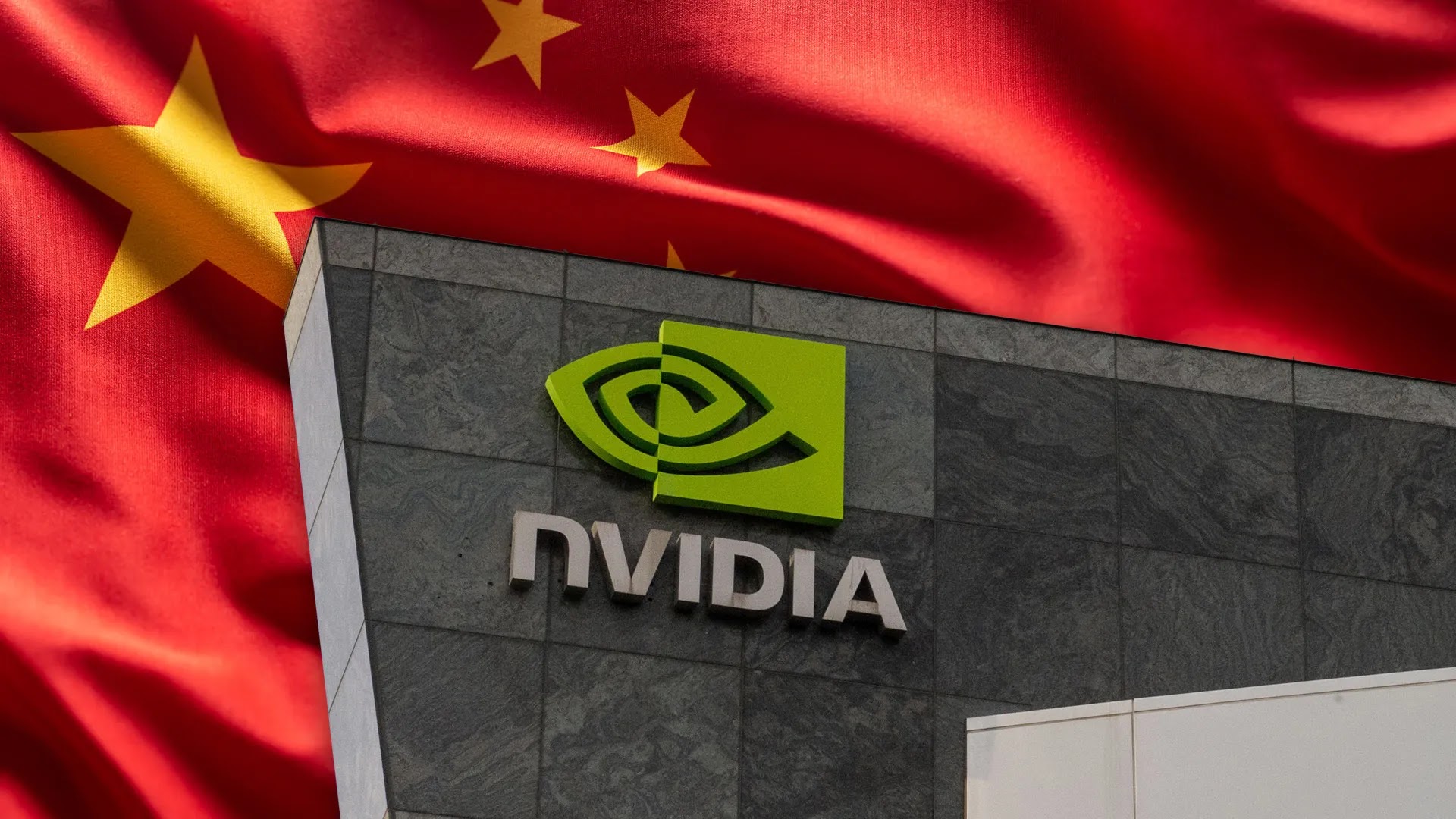
China has approved its first batch of imports of Nvidia’s H200 artificial intelligence chips, according to three sources familiar with the matter. The move signals a shift in Beijing’s stance as it tries to balance rising demand for advanced AI hardware with efforts to strengthen domestic chip development.
Chinese tech giants ByteDance, Alibaba, and Tencent have received approval to collectively purchase more than 400,000 H200 chips. Other companies are now reportedly waiting in line for subsequent rounds of approvals, two of the sources said.
The approvals were granted during a visit to China this week by Nvidia’s chief executive Jensen Huang, according to the sources, who requested anonymity due to the sensitivity of the issue.
At the time of publication, China’s industry and commerce ministries had not responded to requests for comment. Nvidia, ByteDance, Alibaba, and Tencent also declined to comment.
The H200, Nvidia’s second most powerful AI chip, has become a key point of tension in U.S.-China relations. While demand from Chinese firms has been strong and the United States has approved exports, Beijing’s reluctance to authorize imports has until now been the main obstacle to shipments.
Earlier this month, U.S. authorities formally cleared Nvidia to sell the H200 to China. However, final approval rests with Chinese regulators, who decide whether the chips can enter the country.
In recent weeks, uncertainty remained over whether Beijing would allow imports, as officials sought to balance surging domestic demand for advanced AI processors with the goal of supporting China’s local semiconductor industry.
Chinese customs officials had previously told import agents that H200 chips were not permitted to enter the country, according to earlier reports. Despite this, Chinese technology firms have placed orders for more than two million H200 chips—far exceeding Nvidia’s current supply capacity.
It is still unclear how many additional companies will receive approval in future batches or what criteria Chinese authorities are using to determine eligibility.
Huang arrived in Shanghai last Friday for Nvidia’s annual employee events in China and has since visited Beijing and other cities, according to earlier reports.
Balancing AI demand and domestic chip development
The approval of H200 imports suggests Beijing is prioritizing major internet companies that are investing billions of dollars in data centers to expand AI capabilities and compete with U.S. rivals such as OpenAI.
Although Chinese firms, including Huawei, have developed chips that rival Nvidia’s H20—the most advanced processor previously allowed for sale to China—they still fall well short of the H200’s performance.
The H200 delivers roughly six times the computing power of the H20, making it a critical component for training and deploying advanced AI models.
Still, Chinese policymakers have discussed requiring companies to purchase a minimum quota of domestically produced chips as a condition for approving imports of foreign semiconductors, highlighting Beijing’s continued focus on boosting its homegrown chip industry.