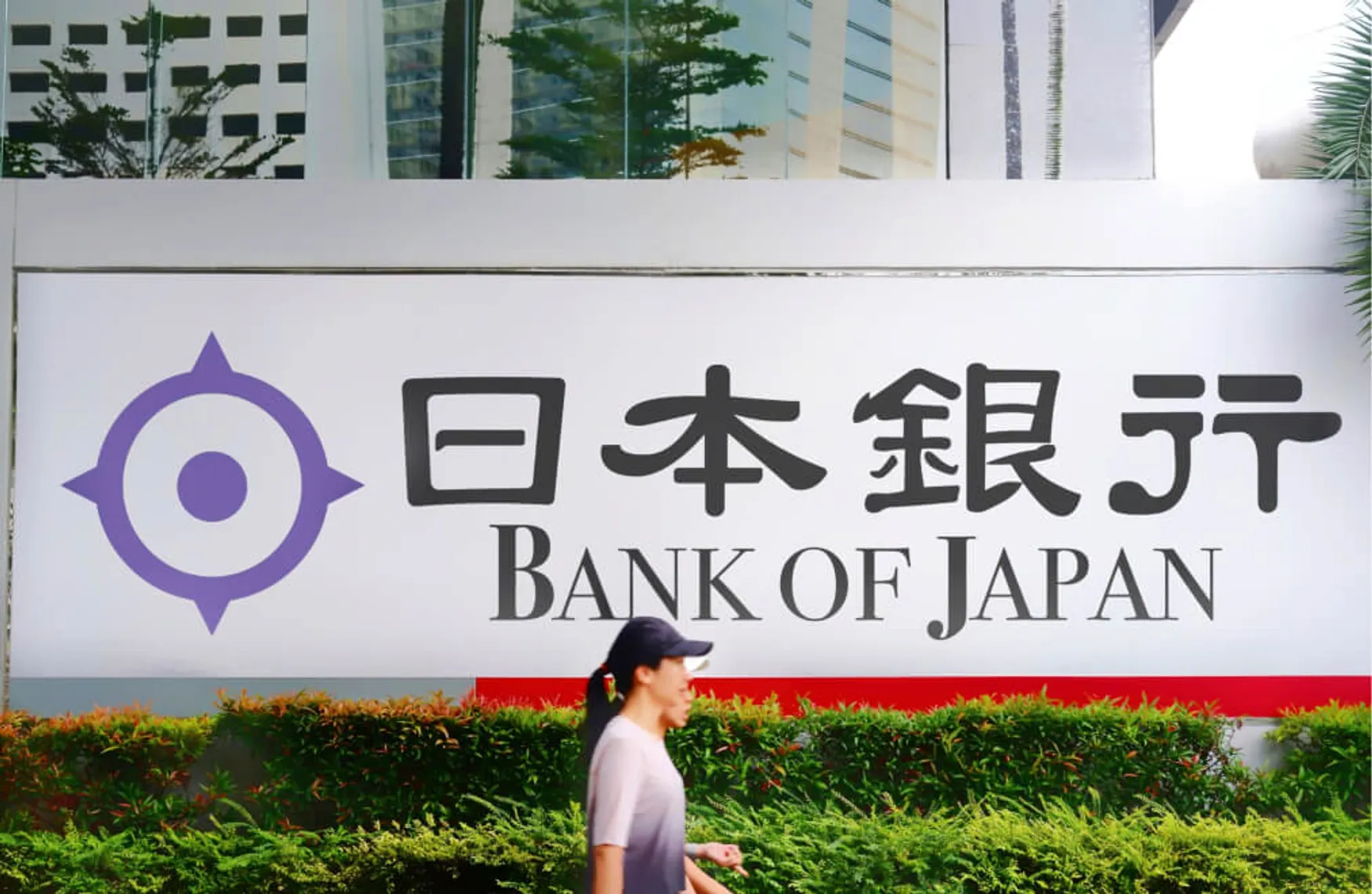
BOJ Holds Interest Rates Steady as Expected
The Bank of Japan (BOJ) kept its interest rates unchanged on Thursday, in line with market expectations, while highlighting concerns over rising energy prices and their impact on inflation.
The central bank maintained its overnight call rate at 0.75% following a near-unanimous decision. Board member Hajime Takata dissented, calling for a 25 basis point rate hike due to growing inflation risks.
Rising Oil Prices Add to Inflation Concerns
The BOJ warned that increasing oil prices, driven by geopolitical tensions in the Middle East, could push inflation higher over the medium to long term.
In its statement, the central bank pointed to uncertainty surrounding the conflict and crude oil markets as key risks to the economic outlook. It also noted that recent increases in oil prices are likely to place upward pressure on consumer prices.
Short-Term Relief, Long-Term Inflation Outlook Firm
Despite these concerns, the BOJ reiterated that inflation is expected to ease in the near term. This is largely due to moderating food prices and government measures aimed at controlling energy and living costs.
However, inflation is projected to rise again over time, with core consumer prices expected to reach the BOJ’s 2% target by 2026.
Policy Outlook Hinges on Wages and Economic Clarity
Markets had widely anticipated the BOJ’s decision to hold rates, as policymakers continue to assess the strength of Japan’s economic recovery.
Wage growth remains a key factor for future policy moves. Stronger wage gains, particularly from ongoing spring negotiations, could give the BOJ more confidence to tighten monetary policy further.
Since early 2024, the central bank has already raised rates by a total of 85 basis points, marking a shift away from its long-standing ultra-loose policy stance.
Yen Weakness and Market Reaction
Analysts expect the BOJ could still raise rates in the coming months, although rising energy costs may also weigh on economic activity given Japan’s reliance on imports.
A weaker yen is likely to add further inflationary pressure by increasing import costs. Following the decision, the Japanese yen showed limited movement but remained near its weakest levels since mid-2024.
Meanwhile, Japan’s Nikkei 225 index dropped 2.5%, in line with broader declines across Asian markets.
Focus Turns to BOJ Governor Ueda’s Remarks
Investor attention is now shifting to comments from BOJ Governor Kazuo Ueda, who is expected to provide further guidance on the central bank’s policy outlook during a post-meeting press conference.