Global Equity ETFs See Record Inflows as Investors Bet on AI and Bonds
Global equity exchange-traded funds (ETFs) recorded record inflows of $152 billion over the past three weeks, according to data from Bank of America (BofA).
Record Equity and Sector Flows
For the week ending October 1, equity ETFs absorbed $30.4 billion. Equity funds overall gained $26 billion, offset by $4.5 billion in outflows from mutual funds.
Technology led sector inflows with $9.3 billion, the largest on record. Materials funds added $5.9 billion, while Financials gained $3.3 billion.
Bond and Alternative Asset Flows
Bond funds attracted $19.9 billion during the week. However, U.S. Treasuries saw $7.5 billion in outflows, the sixth largest ever. Investors also moved $15.2 billion into investment-grade bonds, $3.7 billion into emerging-market debt, and $2 billion into high-yield bonds.
Safe-haven and alternative assets were also in focus. Cash inflows totaled $20.8 billion, while gold gained $5.9 billion and cryptocurrencies attracted $2.9 billion.
Hartnett’s Strategy Outlook
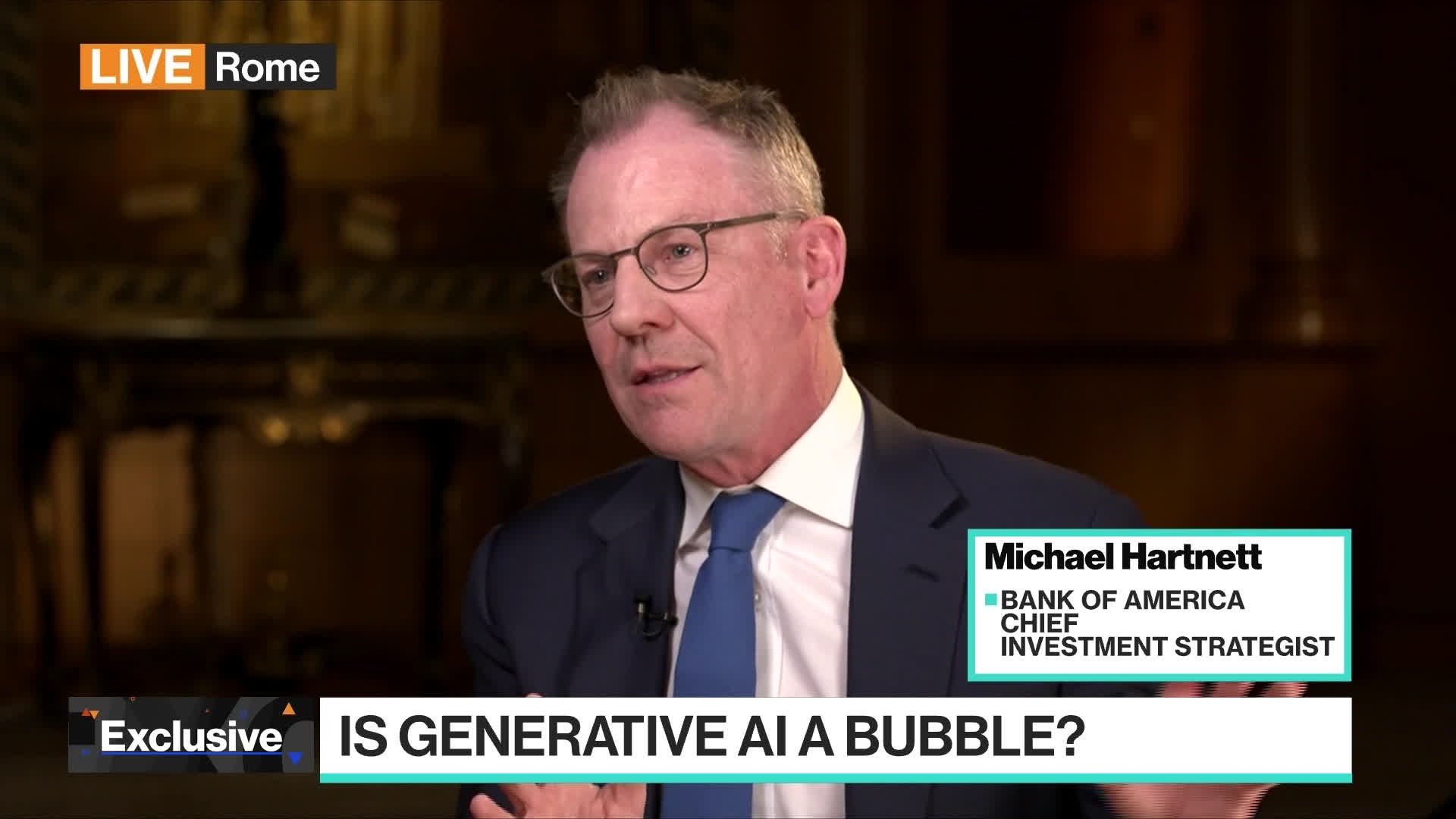
BofA strategists led by Michael Hartnett said they remain positioned for lower Treasury yields. “We are long zero-coupon bonds,” they wrote, citing expectations for Fed rate cuts and U.S. financing needs.
At the same time, they noted weaknesses in sectors such as oil, homebuilders, and chemicals, calling them signs of strain in the economy.
On equities, Hartnett’s team said they favor resources and U.K. stocks as part of a barbell strategy combining AI-related assets with cheaper cyclical plays. “Price action, valuation, and speculation all look frothy,” they warned.
Central Bank and Global Themes
Hartnett emphasized that every bubble in history has been ended by central bank tightening. However, no major central bank has raised rates in the past two months.
The strategists also highlighted Chinese banks as a potential “catch-up trade.” Rising Chinese bond yields, they argued, are reversing a long decline, similar to past rallies in Japanese and European banks.