RBA Holds Interest Rates Steady, Surprising Markets Expecting a Cut
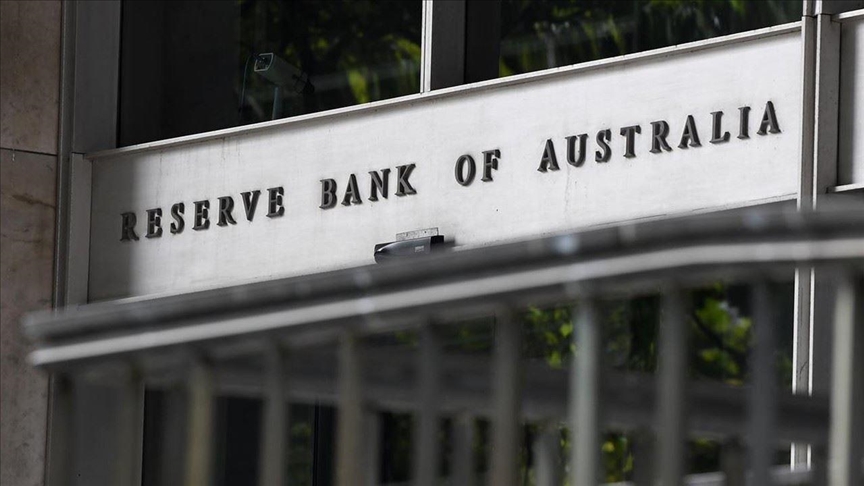
Australia’s central bank unexpectedly kept its benchmark interest rate unchanged at 3.85% on Tuesday, catching markets off guard as many had anticipated a cut. The Reserve Bank of Australia (RBA) explained that most of its board members preferred to wait for more evidence that inflation was sustainably easing before adjusting policy.
In response, the Australian dollar jumped 0.8% to $0.6543, while three-year bond futures dropped 10 ticks to 96.60, extending earlier losses.
Market reactions now reflect an 88% probability of a rate cut to 3.60% at the RBA’s next meeting on August 12, with expectations that the rate could bottom out at 3.10% instead of the previously anticipated 2.85%.
After its two-day policy meeting, the RBA revealed a rare split among board members—six voted to hold rates steady, while three favored a cut. Despite a recent slowdown in core inflation toward the RBA’s 2%–3% target range and weaker-than-expected consumer spending, the central bank maintained a cautious stance on inflation risks.
“The Board judged that it could wait for a little more information to confirm that inflation remains on track to reach 2.5% on a sustainable basis,” the RBA said in its statement. It also emphasized that monetary policy remains flexible in case global developments significantly impact Australia’s economy.
RBA Governor Michele Bullock clarified that the internal disagreement was mostly about timing. She indicated the central bank remains on a path toward easing, assuming second-quarter inflation data aligns with forecasts. “If inflation continues to decline as expected, that validates our current approach,” Bullock said at a post-decision press conference.
She also noted that while the worst of the recent U.S. tariff threats may have been avoided, the new duties remain elevated.
On Monday, President Donald Trump escalated trade tensions by warning of new tariffs on countries like Japan and South Korea, set to begin August 1—though he left room for renewed negotiations.
Australian Treasurer Jim Chalmers acknowledged that the RBA’s decision was neither what the market anticipated nor what many Australians had hoped for.
Adam Boyton, ANZ’s Head of Australian Economics, suggested the risks that previously drove the RBA’s dovish tone have faded. He now expects a rate cut in August, with a high likelihood of further easing later in the year.
A More Hawkish Turn?
While the RBA cut rates earlier in February and May, those moves failed to boost consumer spending, even as they pushed housing prices to record highs. Consumers remain cautious, contributing to weak economic growth in the first quarter and disappointing retail sales, despite tax cuts.
Inflation data showed the trimmed mean CPI—the RBA’s preferred gauge—fell to 2.4% in May, the lowest in 3.5 years and below the midpoint of the target range. That spurred many analysts to move up their forecast for the next rate cut to July.
However, the RBA noted in its statement that although the June quarter inflation is expected to align broadly with forecasts, recent monthly indicators came in slightly higher than anticipated.
Meanwhile, the labor market has remained stable, with unemployment steady at 4.1% for over a year—another factor that argues against immediate monetary easing.
Marcel Thieliant of Capital Economics said that unless second-quarter inflation data shows a significant upside surprise, a rate cut in August still seems likely. However, he cautioned that the scale of future cuts may be more limited than the 100 basis points his firm is currently projecting over the next year.