
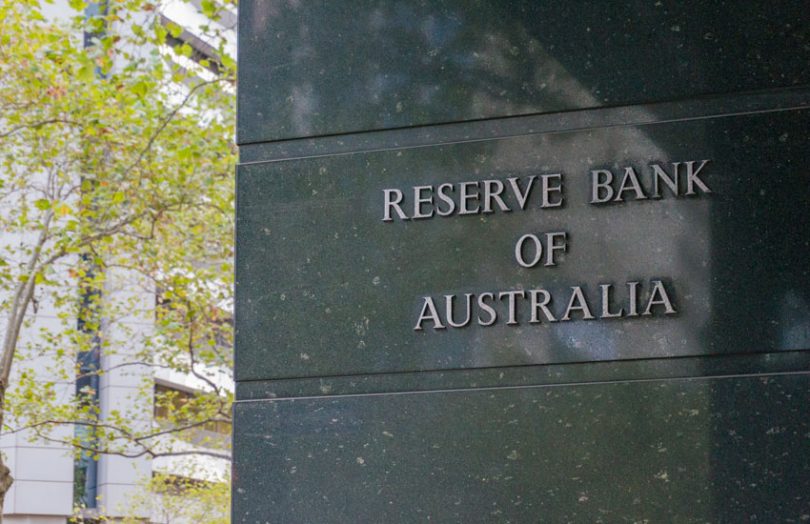
Australia Cuts Interest Rates Again, Signals More Easing Ahead
Australia’s central bank lowered interest rates on Tuesday for the third time this year. The Reserve Bank of Australia (RBA) also signaled that further policy easing may be required to meet its inflation and employment targets as economic momentum slows.
At the end of a two-day policy meeting, the RBA board cut the main cash rate by 0.25 percentage points to 3.6%. The bank said current data suggests core inflation could moderate to the middle of its 2% to 3% target range, assuming a gradual easing in policy.
Market Expectations and Policy Stance
Markets had fully anticipated the rate cut. This comes after being surprised in July when the RBA kept rates unchanged despite slowing inflation and rising unemployment.
Governor Michele Bullock declined to say whether a 3.6% cash rate is restrictive. She stressed that policy decisions will be made on a meeting-by-meeting basis to maintain low, stable inflation and full employment.
“Forecasts imply the cash rate might need to be slightly lower to keep inflation under control and employment growing,” Bullock said. “However, uncertainty remains high.” She added that not cutting rates now could risk missing both of the RBA’s mandates.
Market Reaction
The Australian dollar slipped 0.2% to $0.6508 after the announcement. Three-year bond yields rose to 96.62, while swaps priced in a 34% chance of another cut in September. Markets expect two additional cuts by early 2025, bringing the cash rate to 3.1%.
Economic Outlook and Inflation Trends
In July, the RBA shocked markets by holding rates steady at 3.85% in a split decision, with some policymakers preferring to wait for more inflation data.
On Tuesday, the bank also downgraded its economic growth forecast, citing weak productivity. However, it still expects core inflation to slow and the labour market to remain steady.
Headline inflation fell to 2.1% in the June quarter, while core inflation, measured by the trimmed mean, dropped to 2.7%, its lowest in three years. Unemployment rose to 4.3% in July from 4.1% in June.
Impact of Previous Cuts and Global Developments
Earlier rate cuts in February and May are beginning to filter through the economy, with consumer spending showing signs of recovery thanks to lower inflation and past tax cuts.
The RBA has taken a cautious approach, acting only after quarterly inflation data. Investors now expect another cut in November and possibly in February next year.
Globally, trade tensions have eased slightly. On Monday, U.S. President Donald Trump extended a 90-day tariff truce with China, avoiding immediate new duties on Chinese goods.
Analysts See More Cuts Ahead
“Unemployment has jumped, strengthening the case for cuts,” said Harry Murphy Cruise, head of economic research at Oxford Economics Australia. “At the same time, household spending remains resilient, with some families still able to make discretionary purchases. With good news on inflation and bad news on jobs, more easing is warranted.”