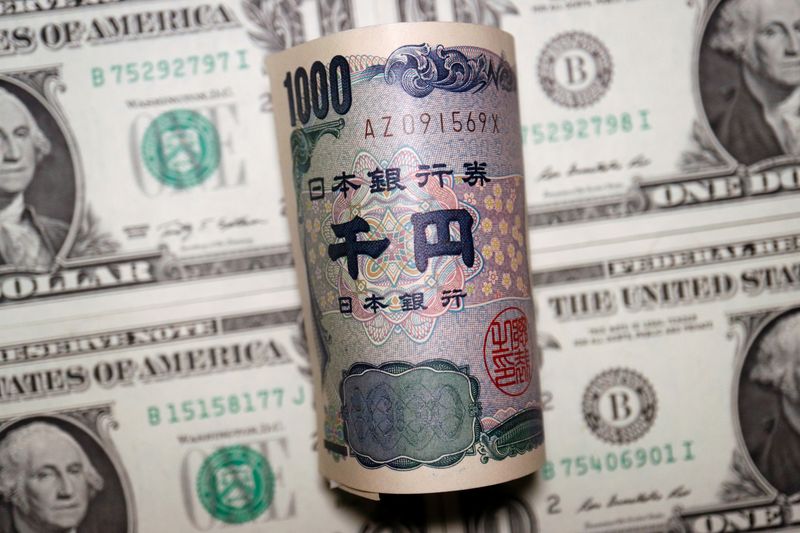
Most Asian currencies moved slightly higher on Friday as the U.S. dollar weakened modestly. However, regional currencies were still on track to post weekly losses as escalating tensions in the Middle East and a sharp rise in oil prices continued to pressure investor sentiment.
The U.S. Dollar Index slipped about 0.3% during Asian trading hours after reaching a three-month high overnight. Despite the slight pullback, the index remained on course for a weekly gain of roughly 1.5%.
At the same time, U.S. Dollar Index Futures also declined by around 0.3% as of 00:12 ET (05:12 GMT).
Rising geopolitical tensions remain a key factor driving markets. The conflict involving Iran, Israel, and the United States entered its seventh day on Friday, with no clear signs of de-escalation. Investors are increasingly worried that the situation could disrupt global energy supplies.
One of the main concerns is the Strait of Hormuz, a crucial shipping route through which nearly one-fifth of the world’s oil supply is transported. Any disruption in this narrow passage could significantly impact global oil markets and increase volatility across financial markets.
As a result, oil prices surged sharply during the week. Crude prices have climbed more than 15% as traders priced in the growing risk of supply disruptions coming from the Middle East.
Higher oil prices pose a particular challenge for many Asian economies because they rely heavily on energy imports. Rising crude costs can worsen trade balances, increase inflation pressures, and weigh on regional currencies.
Among individual currencies, the South Korean won saw the USD/KRW pair fall by about 0.6% on Friday, although it remained on track to rise roughly 2% for the week.
The Japanese yen traded mostly unchanged, with the USD/JPY pair moving little on the day but still heading toward a weekly gain of around 1%.
In China, the yuan weakened slightly as the onshore USD/CNY pair rose about 0.2%, also pointing to a weekly increase.
The Singapore dollar strengthened modestly, with the USD/SGD pair slipping around 0.2% on Friday.
Meanwhile, the Australian dollar gained about 0.4% against the greenback. Despite the daily increase, the AUD/USD pair remained on track to end the week lower.
The recent surge in oil prices has also complicated expectations for U.S. monetary policy. Markets had previously anticipated that the Federal Reserve would begin cutting interest rates soon. However, higher energy prices risk pushing inflation upward again, making policymakers more cautious.
Because of this, traders have reduced some of their expectations for near-term interest rate cuts from the Federal Reserve. This shift has helped support the U.S. dollar despite the slight decline seen during Friday’s Asian session.
Investors are now focusing on the upcoming U.S. nonfarm payrolls report for February, scheduled for release later on Friday. The employment data could offer fresh insights into the strength of the U.S. labor market and provide further clues about the future path of Federal Reserve interest rate decisions.