Asian Stocks Fall as Oil Prices Surge and BOJ Holds Rates
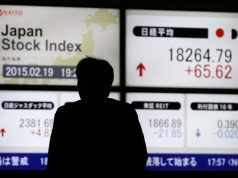
Asian stock markets declined on Thursday, led by losses in Japan after the Bank of Japan (BOJ) kept interest rates unchanged. Investor sentiment weakened as rising oil prices and escalating tensions in the Middle East raised concerns about inflation and economic stability.
The downturn followed overnight losses on Wall Street, where markets reacted negatively to a hawkish stance from the Federal Reserve. Meanwhile, U.S. stock futures remained largely flat during Asian trading hours.
BOJ Keeps Rates Steady, Flags Inflation Risks
The Bank of Japan maintained its short-term interest rate at 0.75%, in line with expectations, as policymakers paused further tightening to assess external risks.
The central bank highlighted uncertainty surrounding the Middle East conflict and rising crude oil prices, warning that both could significantly impact Japan’s inflation outlook. Given Japan’s heavy reliance on energy imports, higher oil costs pose a key risk to price stability.
Notably, board member Hajime Takata dissented, calling for a 25 basis-point rate hike, signaling growing internal concern over persistent inflation pressures.
Japan’s Nikkei 225 fell 2.6%, while the broader TOPIX index declined 2%.
Oil Surge and Fed Outlook Weigh on Regional Markets
Asian equities broadly weakened as oil prices remained elevated and central bank concerns grew. Brent crude surged above $110 per barrel and continued to rise in Asian trading, driving inflation fears across the region.
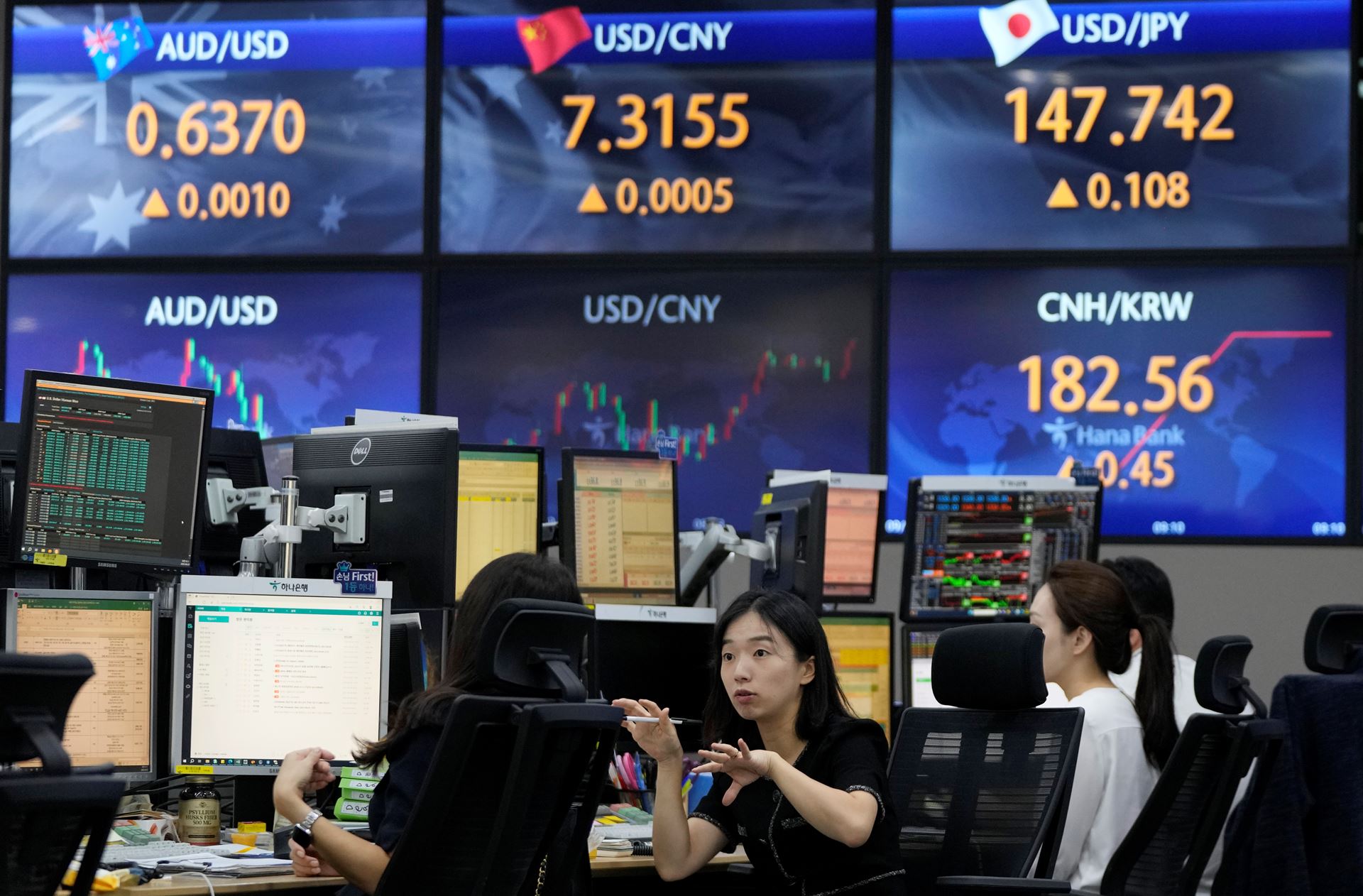
South Korea’s KOSPI dropped 1.3%, while Singapore’s Straits Times Index edged down 0.5%. In China, both the Shanghai Composite and CSI 300 slipped around 1%, while Hong Kong’s Hang Seng index fell 1.5%.
The latest spike in oil prices followed attacks on key energy infrastructure in the Middle East, increasing concerns about prolonged supply disruptions.
Middle East Conflict Raises Supply Concerns
Geopolitical tensions intensified after Iran targeted multiple energy facilities across the region following earlier strikes on its South Pars gas field.
Qatar reported significant damage to its Ras Laffan energy hub, while Saudi Arabia intercepted missile and drone attacks aimed at critical infrastructure.
The escalating conflict has heightened fears of disruptions in the Strait of Hormuz, a crucial route that handles around 20% of global oil and liquefied natural gas shipments.
Global Market Sentiment Remains Fragile
Investor sentiment was also impacted by the Federal Reserve’s recent policy decision, which maintained interest rates but signaled a cautious and hawkish outlook due to inflation risks.
Elsewhere, Australia’s S&P/ASX 200 fell 1.5% after data showed rising unemployment, driven by a decline in full-time jobs.
In contrast, futures linked to India’s Nifty 50 showed modest gains of 0.4%, indicating some resilience in regional markets.