Most Asian currencies moved lower on Friday as investors assessed a mixed outlook for regional interest rates. While the broader tone across foreign exchange markets was cautious, the Australian dollar remained on track for a strong monthly performance. In contrast, the Japanese yen continued to struggle, extending its recent losses.
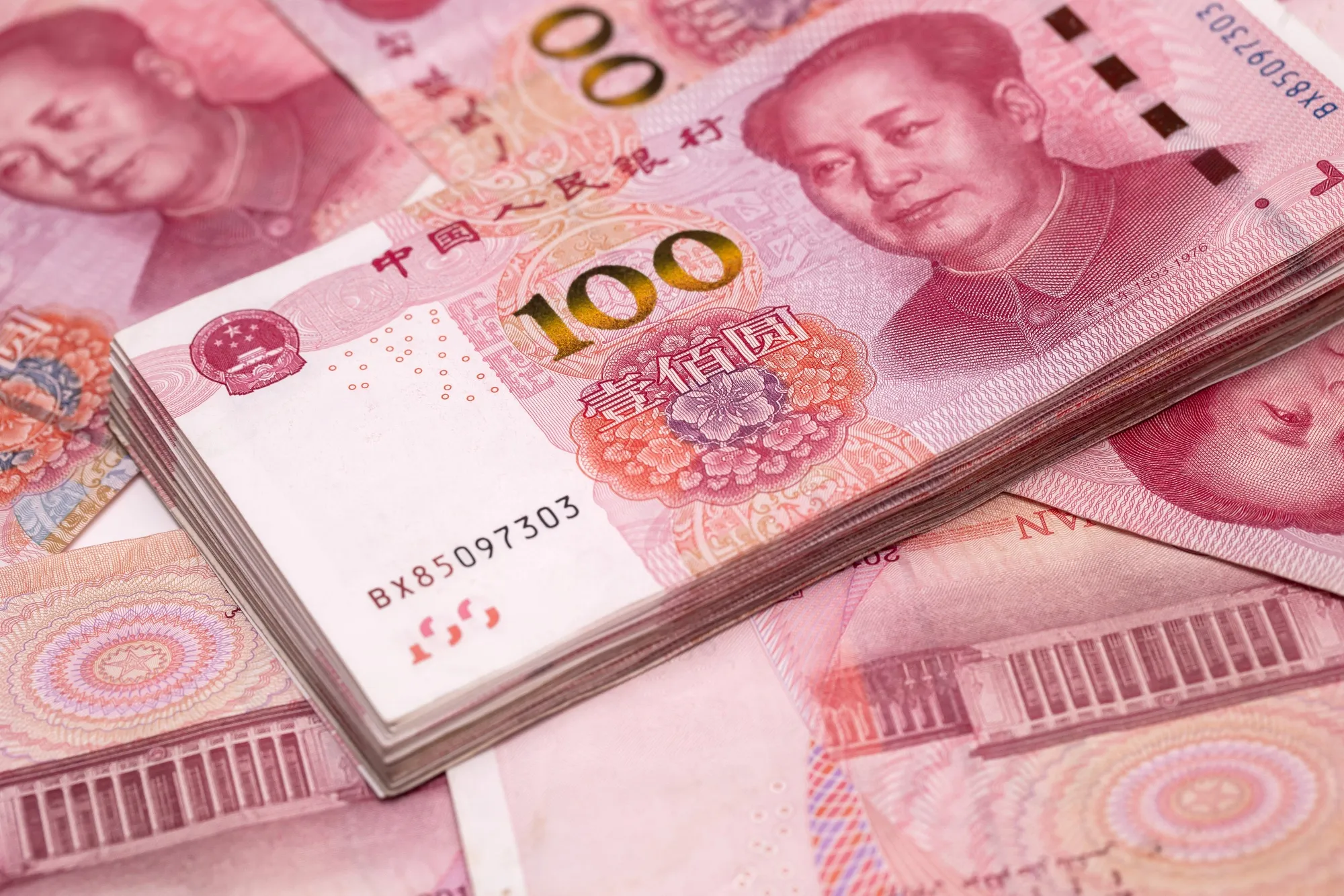
The Chinese yuan also slipped after Beijing reduced a key foreign exchange reserve requirement, a move designed to make dollar purchases cheaper within the country. Despite the pullback, the yuan stayed close to its highest level in nearly three years, reflecting the strength it has built in recent months.
Meanwhile, the U.S. dollar index and dollar index futures declined by about 0.1% during Asian trading hours. Even so, the greenback is set to post a 0.7% gain for February, supported by safe-haven demand and ongoing uncertainty over the future path of U.S. interest rates.
The Japanese yen remained subdued after softer-than-expected inflation data from Tokyo. The USD/JPY pair edged down 0.2% on Friday and is on course for a 0.7% monthly gain. However, the broader trend in February has been weakness in the yen, driven by doubts over when the Bank of Japan will deliver its next interest rate hike.
Tokyo’s core consumer price index, often seen as a leading indicator for nationwide inflation, fell below the Bank of Japan’s 2% annual target for the first time in almost four years. This development has raised questions about the central bank’s ability to continue tightening monetary policy in the near term.
Additional pressure on the yen has come from concerns about the fiscal implications of Prime Minister Sanae Takaichi’s stimulus and tax relief measures. After her ruling coalition secured a supermajority in Japan’s lower house, markets began to assess the potential budgetary impact of her policy agenda, contributing to further volatility in the Japanese currency.
The Chinese yuan weakened further after the People’s Bank of China removed a key foreign exchange risk reserve ratio for certain forward contracts. The USD/CNY pair rose 0.2% following the announcement, signaling that authorities may be attempting to moderate the yuan’s recent strength.
The currency had rallied strongly in recent months, partly due to exporters selling dollars amid a robust trade surplus with the United States. However, a rapidly appreciating yuan can weigh on Chinese exporters by reducing the value of overseas earnings. Thursday’s move toward a three-year high underscored the scale of the recent gains before Friday’s pullback.
In Australia, the AUD/USD pair advanced 0.25% on Friday, making the Australian dollar one of the top-performing Asian currencies for February. The Aussie is set to rise roughly 2.3% this month, supported by a more hawkish stance from the Reserve Bank of Australia.
Earlier this month, the Reserve Bank of Australia raised interest rates by 25 basis points and indicated that further hikes could follow if inflation remains elevated. Stronger-than-expected consumer price index data for January reinforced expectations that the central bank may need to tighten policy further in the coming months.
Elsewhere in Asia, currency performance was mixed but generally weaker. The South Korean won saw the USD/KRW pair edge higher on Friday and remains down 1.3% for February. The Indian rupee steadied after the USD/INR pair climbed back above the 91 level, though the rupee is still lower by 0.8% for the month, despite support from a new trade agreement between the United States and India. The Singapore dollar traded flat on the day, with the USD/SGD pair down 0.7% in February.