Asian Currencies Stabilize as Dollar Weakens on Improved Risk Sentiment
Most Asian currencies held steady on Wednesday after posting strong gains in the previous session. The U.S. dollar weakened as investor sentiment improved, driven by expectations of a possible de-escalation in the Middle East conflict.
The US Dollar Index slipped 0.1% during Asian trading after falling 0.6% overnight. Meanwhile, futures tracking the index also declined slightly, reflecting continued pressure on the greenback.
Trump Signals Possible Iran War Exit, but Risks Persist
Investor optimism was fueled by comments from U.S. President Donald Trump, who indicated that Washington could end its military operations against Iran within two to three weeks.
This development boosted global risk appetite, leading to gains in Asian equity markets. However, caution remains elevated. Reports suggest that the U.S. may halt its campaign even if the Strait of Hormuz remains partially closed—raising concerns about disruptions to global trade and energy supply.
Analysts warn that despite diplomatic progress, a lasting resolution between the U.S. and Iran remains uncertain. Structural issues such as Iran’s internal political dynamics and the strategic importance of the Strait of Hormuz continue to pose risks, potentially leaving markets in a fragile equilibrium.
Mixed Performance Across Asian Currencies
Currency movements across Asia were relatively muted following recent volatility.
The Japanese yen remained largely stable after weakening in the previous session. The South Korean won edged higher after recent losses, while the Indian rupee also posted modest gains, recovering slightly from recent record lows.
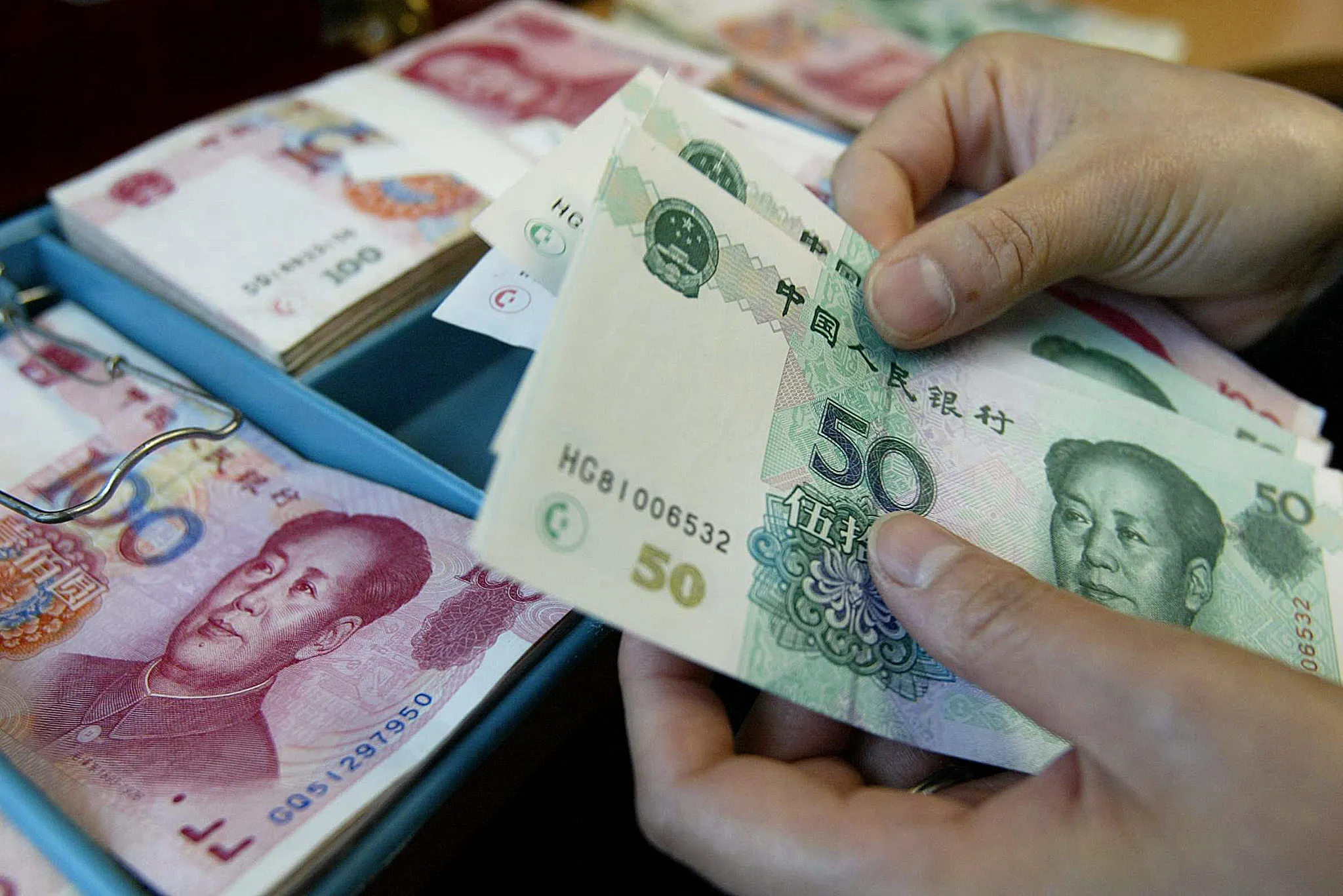
The Chinese yuan showed limited movement, with both onshore and offshore pairs remaining mostly stable.
Elsewhere, the Singapore dollar traded flat, while the Australian dollar recorded a slight increase, reflecting cautious optimism in regional markets.
China PMI Highlights Rising Cost Pressures
Economic data from China pointed to ongoing challenges beneath the surface. Manufacturing activity expanded for the fourth consecutive month in March, according to the latest PMI data, but growth slowed and fell short of expectations.
A key concern was the sharp rise in input costs, driven in part by elevated oil prices linked to geopolitical tensions. Manufacturers faced the fastest increase in input prices since March 2022, signaling mounting inflationary pressures within the sector.
Focus Shifts to U.S. Economic Data
Looking ahead, investors are closely watching upcoming U.S. economic releases, particularly the nonfarm payrolls report later this week. The data is expected to provide further insight into the Federal Reserve’s policy path and its implications for global currency markets.