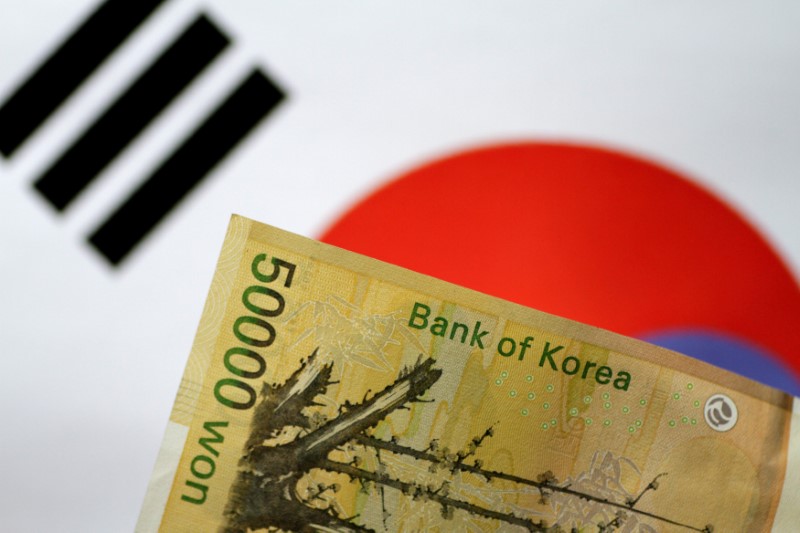
Asian Currencies Weaken as Dollar Rebounds
Most Asian currencies declined on Thursday, while the U.S. dollar strengthened as investors shifted back to safe-haven assets. The move followed U.S. President Donald Trump’s remarks signaling a potential escalation in the Middle East conflict.
The U.S. Dollar Index rose 0.3% during Asian trading, recovering after two consecutive days of losses. Dollar Index futures also gained 0.3% in early trading.
Trump Signals Further Escalation in Iran Conflict
Trump stated that the United States would increase military operations against Iran over the next two to three weeks. However, he provided little clarity on any potential ceasefire.
These comments dampened earlier optimism that tensions could ease, which had previously supported regional currencies and pressured the dollar.
Oil Prices Rise, Inflation Risks Return
Oil prices moved higher once again, reinforcing concerns about rising inflation and limiting expectations for monetary easing. The renewed geopolitical tensions are adding further uncertainty to global economic conditions.
Asian FX Market Performance
Currency markets across Asia reflected the shift in sentiment:
- The South Korean won weakened, with USD/KRW rising 0.6%
- The Japanese yen declined, pushing USD/JPY up 0.3%
- The Chinese yuan edged lower, with USD/CNY gaining 0.2%
- The Singapore dollar slipped, as USD/SGD increased 0.3%
Meanwhile, the Indian rupee remained relatively stable at 93.24 per dollar, after recently hitting a record low earlier in the week.
India Moves to Curb Forex Speculation
The Reserve Bank of India took steps to limit currency speculation by restricting banks from offering rupee non-deliverable forward (NDF) contracts to both domestic and foreign clients. These instruments are commonly used in offshore markets to bet against the currency.
Australian Dollar Falls Despite Strong Trade Data
The Australian dollar declined 0.5% against the U.S. dollar, even after stronger-than-expected trade figures.
Data from the Australian Bureau of Statistics showed that Australia’s trade surplus widened significantly to A$5.69 billion in February. Exports rose 4.9%, while imports dropped 3.2%, highlighting solid external performance.
Focus Shifts to US Jobs Data
Investors are now turning their attention to upcoming U.S. labor market data, particularly the nonfarm payrolls report. The release is expected to provide further insight into the Federal Reserve’s policy direction amid ongoing inflation and geopolitical pressures.