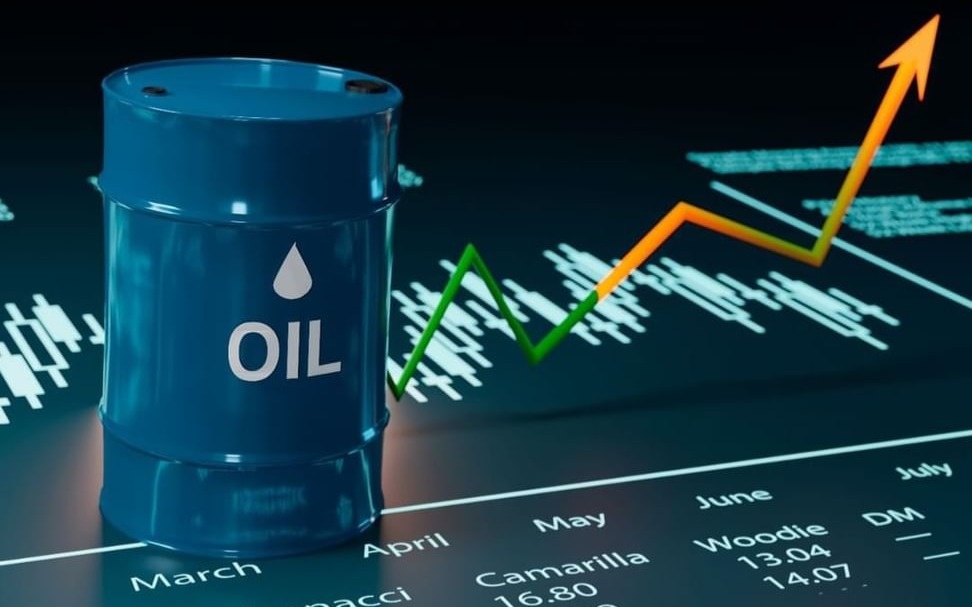
Oil prices are likely to stay elevated in the short term following the latest escalation in the Middle East, with Texas Capital analysts warning of a possible near-term spike in crude.
The brokerage expects oil to trade in a range between $70 and $80 per barrel at least through this week, after the United States and Israel carried out coordinated strikes on Iran.
In a note released Sunday, analysts led by Derrick Whitfield said crude prices could climb as high as $80 per barrel in the coming days due to ongoing U.S. and Israeli military operations against Iran.
Geopolitical Risk Premium Builds Into Oil Prices
Early market movements already reflect rising tensions. WTI crude traded above $72 per barrel, roughly 7% higher than Friday’s close. According to Texas Capital, this increase appears justified, as around $6 per barrel in geopolitical risk premium is already priced into the market.
Despite the heightened tensions, the firm believes the probability of Iran successfully blocking the Strait of Hormuz for an extended period remains low. The strategic shipping route handles more than 20% of global seaborne oil supply and about 20% of worldwide LNG flows. Historically, Iran has avoided shutting the Strait due to the impact such a move would have on its own exports.
Supply Risks and OPEC+ Outlook
Supply disruptions remain a key risk factor. Iran is OPEC’s fourth-largest producer, pumping approximately 3.3 million barrels per day and exporting around 2 million barrels daily, most of which is shipped to China. Analysts noted that China has been building crude inventories over the past year and could also rely on oil already in transit if disruptions occur.
A prolonged reduction in Iranian exports could significantly tighten global balances. Texas Capital estimates that such an outcome could shift the 2026 oil market from a projected surplus of 2.7 million barrels per day to roughly balanced conditions in the second half of the year.
On the policy front, OPEC+ recently announced a 206,000 barrel per day production increase. However, Texas Capital considers the move largely insignificant given the group’s estimated 3.3 million barrels per day of spare capacity that could be activated within 90 days.
Oil Volatility and Equity Implications
The brokerage expects crude prices to fluctuate within a $5 per barrel range in the near term, driven by headlines related to the conflict. It anticipates the geopolitical risk premium will remain elevated at least until Iran selects a new Supreme Leader and markets gain greater clarity on potential negotiations.
In a scenario where tensions intensify further and shipping through the Strait of Hormuz is disrupted, Texas Capital models oil prices rising toward $110 per barrel before easing as additional supply comes online. However, the firm cautioned that geopolitical risk premiums often fade quickly if physical oil flows are not significantly affected.
From an equity perspective, analysts believe oil-sensitive stocks could benefit in a higher price environment, particularly companies with greater leverage to crude price movements.