European Central Bank President Christine Lagarde said on Thursday that the euro zone will need time before seeing meaningful productivity gains from the current surge in artificial intelligence–related investment.
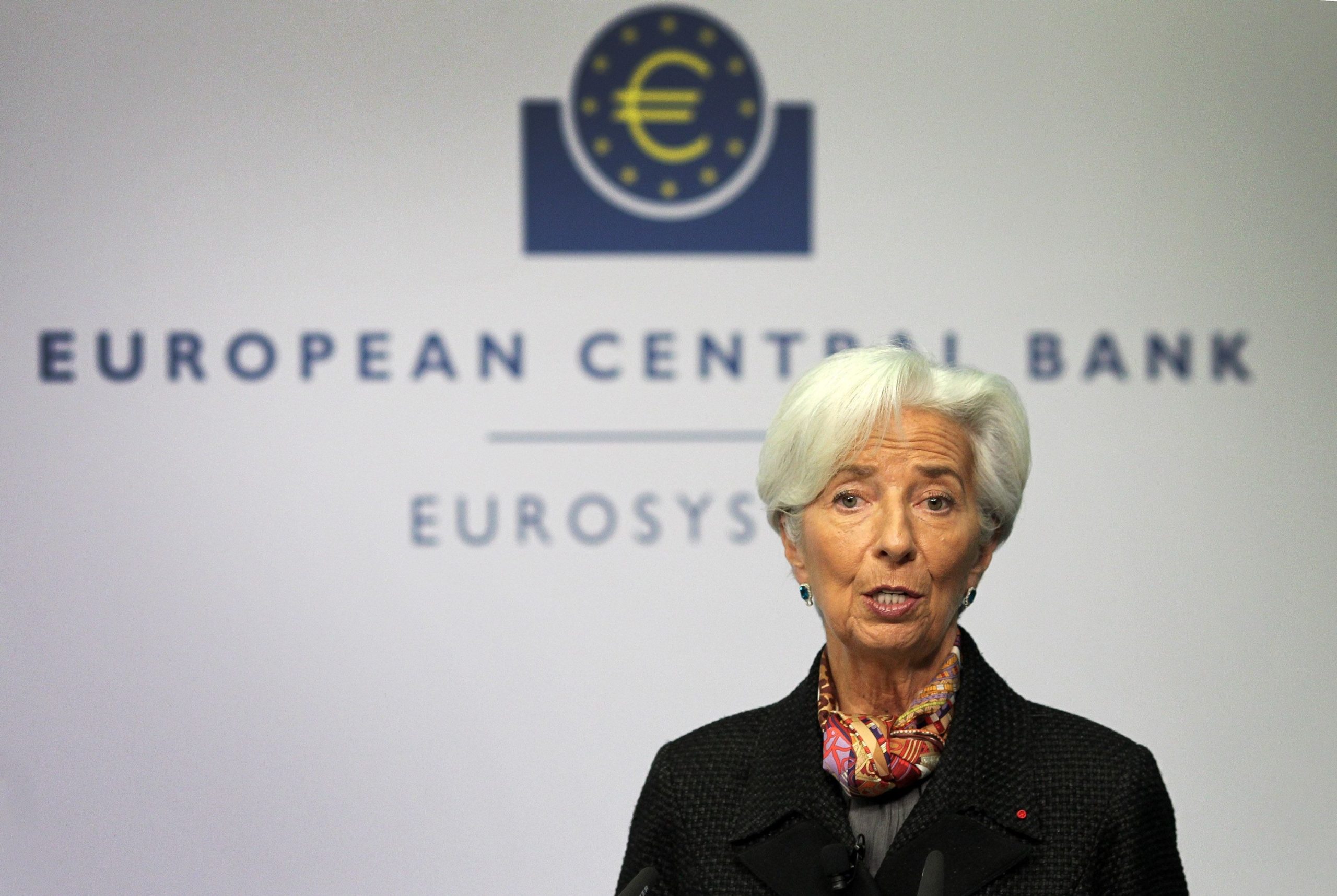
Speaking at a press conference in Frankfurt after the ECB kept interest rates unchanged, Lagarde said AI spending is part of a broader shift toward stronger domestic economic momentum across the region.
“What is really interesting for us is how AI will affect productivity and whether it will ultimately add to or dampen inflation, depending on how much productivity improves,” Lagarde told reporters. “There are early signs, but it will take time for these effects to fully materialize.”
Policymakers reaffirmed their existing monetary policy stance, noting that the euro zone economy remains resilient despite a challenging global backdrop. Lagarde pointed to investment as a key pillar supporting growth.
“Net exports are contributing less to growth, but domestic demand is responding well,” she said. “Consumption is improving slightly, though not dramatically. Investment, however, is the main driver right now.”
According to Lagarde, artificial intelligence is playing a central role in boosting private-sector investment, particularly in information and communication technology. She said AI-related spending spans a wide range of areas.
“It’s everything linked to AI,” Lagarde explained. “That includes the infrastructure around it, such as data center construction, licensing and authorization processes, as well as software and hardware. All of this is generating substantial investment within that segment.”
Her comments echoed remarks made in December, when she urged Europe to actively embrace the opportunities offered by artificial intelligence as part of its long-term economic strategy.