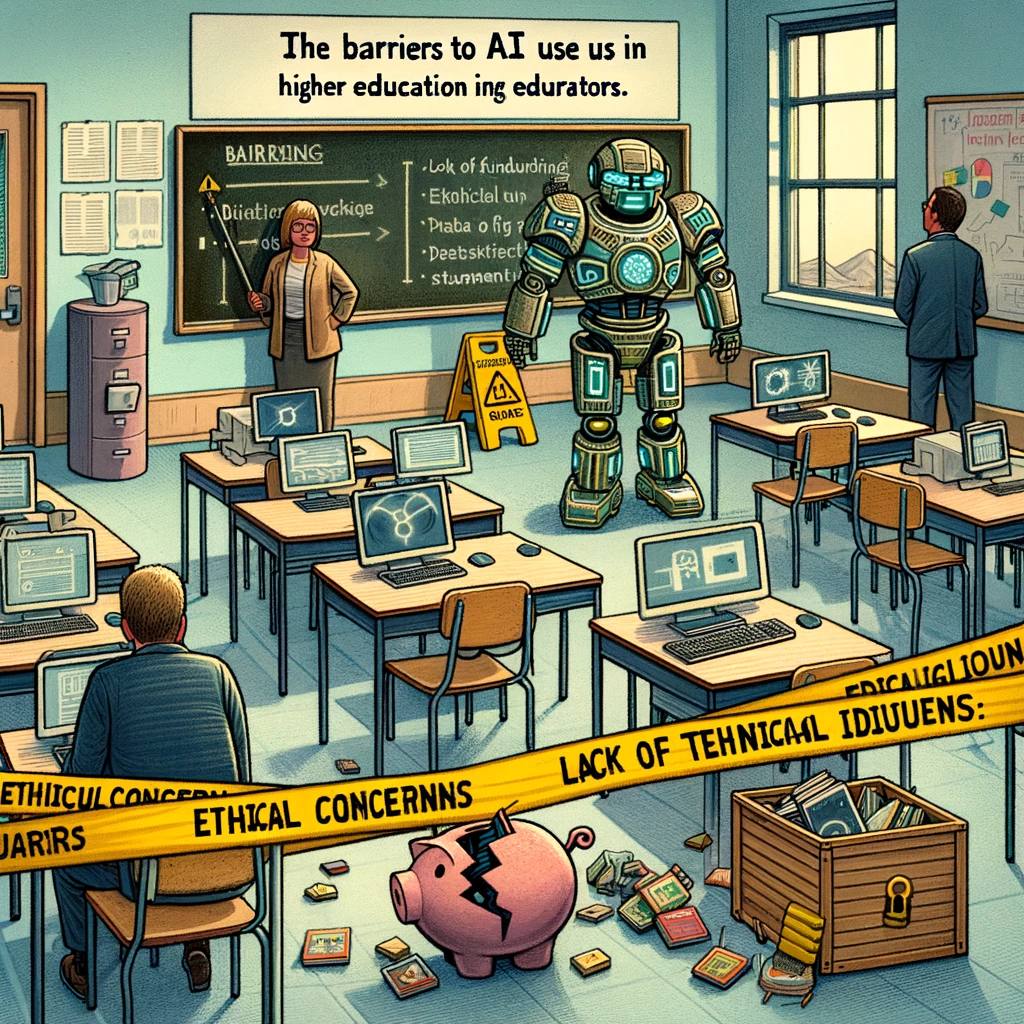
Identifying and overcoming barriers to AI adoption
The forum featured a series of panel discussions, exhibitions, and an awards ceremony, all aimed at fostering a deeper understanding of how AI can be effectively integrated into higher education to enhance learning and teaching methodologies. A key highlight of the event was the panel discussion titled ‘Higher Education Repositioned in the Digital Space – Harnessing Technology’, which addressed the critical barriers to the strategic use of AI in academia.
Otis Osbourne, Head of the Department of Information Technology at the University of the Commonwealth Caribbean (UCC), emphasized the necessity of recognizing and overcoming these barriers to unlock the transformative potential of AI in education. Osbourne outlined four main strategies to mitigate these challenges: the establishment of an ethical framework and responsible AI practices, investment in cloud computing infrastructure, enhancement of human resources capacity in AI through strategic hiring and training, and fostering collaboration with academic and tech industry partners for research and development purposes.
Collaborative efforts and ethical considerations
The dialogue underscored the importance of ethical considerations and responsible AI use, alongside the need for substantial investment in technological infrastructure and human resources. By advocating for a collaborative approach involving academic institutions and technology companies, the forum stressed the value of partnership in driving innovation and research in the AI domain.
The participation of notable figures such as Professor Marvin Reid, acting deputy principal of the University of the West Indies, and Maya Walrond, chair of the Private Sector Organisation of Jamaica’s Human Capital Committee, enriched the discussions, bringing diverse perspectives to the forefront of the conversation on AI in education.
This event marks a significant step towards reimagining the future of education in Jamaica, highlighting the critical need for strategic planning and action to integrate AI into higher education. By addressing the challenges head-on and leveraging the opportunities AI presents, educational institutions can enhance the quality of education, making it more relevant and adaptive to the needs of the 21st-century workforce.
As the forum concluded, it was evident that the path to integrating AI into higher education is fraught with challenges but also abundant with opportunities for transformation and growth. The insights and strategies shared at the FIT serve as a roadmap for educators, administrators, and policymakers as they navigate the complexities of adopting AI in academic settings, ensuring that the educational experiences of tomorrow are enriched, inclusive, and forward-thinking.