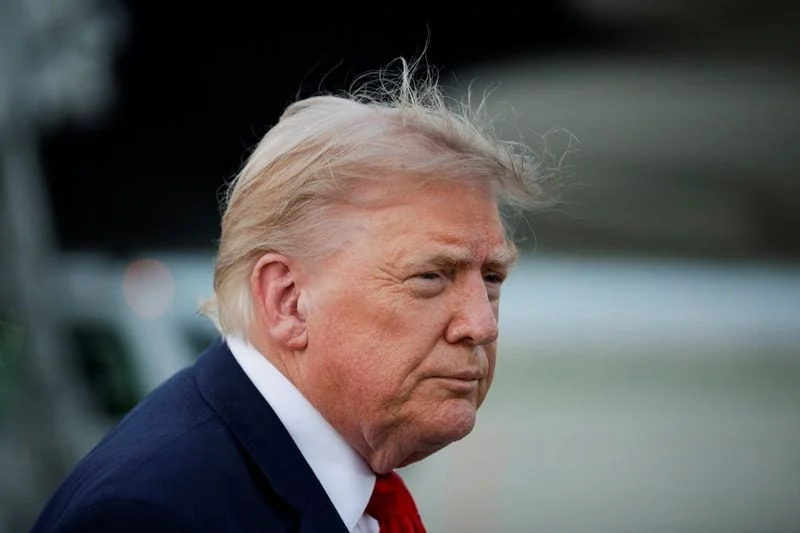
US President Donald Trump has confirmed that he is prepared to accept the results of the 2026 US midterm elections, following major Democratic victories that shifted control of Congress away from the Republican Party.
Speaking to The New York Times on Tuesday evening, November 3, Trump also expressed his willingness to cooperate with Democratic lawmakers despite significant Republican losses.
The president’s comments came as election results revealed widespread dissatisfaction among voters over economic conditions, rising living costs and the ongoing conflict with Iran.
Trump Says He Will Accept Midterm Election Results
During a telephone interview with The New York Times, Trump stated that he was willing to recognize the election outcome, even as Democrats made substantial gains across the country.
The president also indicated that his administration could work with the opposition party on future legislation.
His remarks represented a more cooperative position than some of his previous statements about the electoral process.
Earlier, Trump had questioned the integrity of the midterm elections and accused Democrats of potential voting irregularities without presenting specific supporting evidence.
In a previous interview with NBC, he had suggested that his acceptance of the results would depend on whether he considered the elections fair.
However, his latest comments signaled a willingness to acknowledge the outcome and pursue cooperation with Democratic congressional leaders.
Democrats Secure Control of Congress in Major Election Victory
The 2026 US midterm elections delivered significant gains for the Democratic Party, with Republicans losing their majorities in both the Senate and House of Representatives.
Early election-night figures showed Democrats rapidly closing the gap in the Senate while building an advantage in House races.
Subsequent results confirmed Democratic victories in both chambers, representing a major shift in Washington’s political balance.
The outcome places additional restrictions on Trump’s legislative agenda during the remaining two years of his presidency.
Democratic control of Congress could also lead to increased scrutiny of administration policies and greater challenges in advancing Republican-backed legislation.
Nevertheless, Trump’s willingness to cooperate suggests that bipartisan negotiations may remain possible on selected policy issues.
Trump Blames Republican Defeats on His Absence From Ballot
Despite acknowledging the election results, Trump rejected suggestions that the Republican Party’s disappointing performance reflected his own political influence.
Instead, the president attributed the losses partly to his absence from the ballot.
He argued that Republican candidates could have performed significantly better if he had personally been running for office.
Trump also defended his decision to endorse Republican candidates, maintaining that he did not regret supporting them.
Throughout the election campaign, the president had actively promoted Republican contenders in competitive congressional races.
However, his involvement was insufficient to prevent substantial Democratic gains, including victories in traditionally Republican-leaning states.
Key Senate Races Deliver Major Democratic Gains
Several closely watched Senate contests played an important role in the Democratic Party’s success.
In Texas, Democrat James Talarico defeated Republican Ken Paxton in a major electoral upset.
The result marked a significant breakthrough for Democrats in a state traditionally dominated by Republican candidates.
Meanwhile, former North Carolina Governor Roy Cooper secured another important Democratic victory.
South Carolina also delivered a surprising outcome as Democrat Annie Andrews defeated Republican Darline Graham.
Graham, the sister of the late Republican Senator Lindsey Graham, had been appointed to the Senate following her brother’s death.
These victories contributed to the Democrats’ successful effort to regain control of the Senate.
The results also demonstrated that Democratic candidates were able to attract support beyond traditionally competitive states.
Inflation and Iran War Influence Voter Sentiment
Economic concerns and international developments played a central role in the midterm elections.
Opinion polls conducted before Election Day indicated declining approval ratings for Trump and the Republican Party.
Voters expressed growing frustration over high fuel prices, the rising cost of living and concerns about government accountability.
Additionally, the prolonged military conflict involving the United States and Iran contributed to dissatisfaction with the administration.
These issues created significant challenges for Republican candidates attempting to defend their congressional seats.
Democrats capitalized on the political environment by emphasizing economic pressures and dissatisfaction with the direction of federal policy.
As a result, the election became an important test of public confidence in Trump’s second presidential term.
What Democratic Control of Congress Means for Trump
The Democratic Party’s congressional victories could reshape the political landscape in Washington through the remainder of Trump’s presidency.
With control of both chambers, Democrats will have greater influence over legislative priorities, congressional investigations and federal policy debates.
However, the president retains significant executive authority, including the power to veto legislation.
This division of political power could produce legislative gridlock, particularly on controversial issues involving government spending, economic policy and foreign relations.
Alternatively, both parties may seek compromise on selected measures where their interests overlap.
Trump’s willingness to accept the election outcome and work with Democratic lawmakers could therefore become an important factor in determining the direction of US policymaking.
For now, the 2026 midterm election results represent a significant political setback for Republicans, while creating new opportunities for Democrats to influence the administration’s remaining agenda.