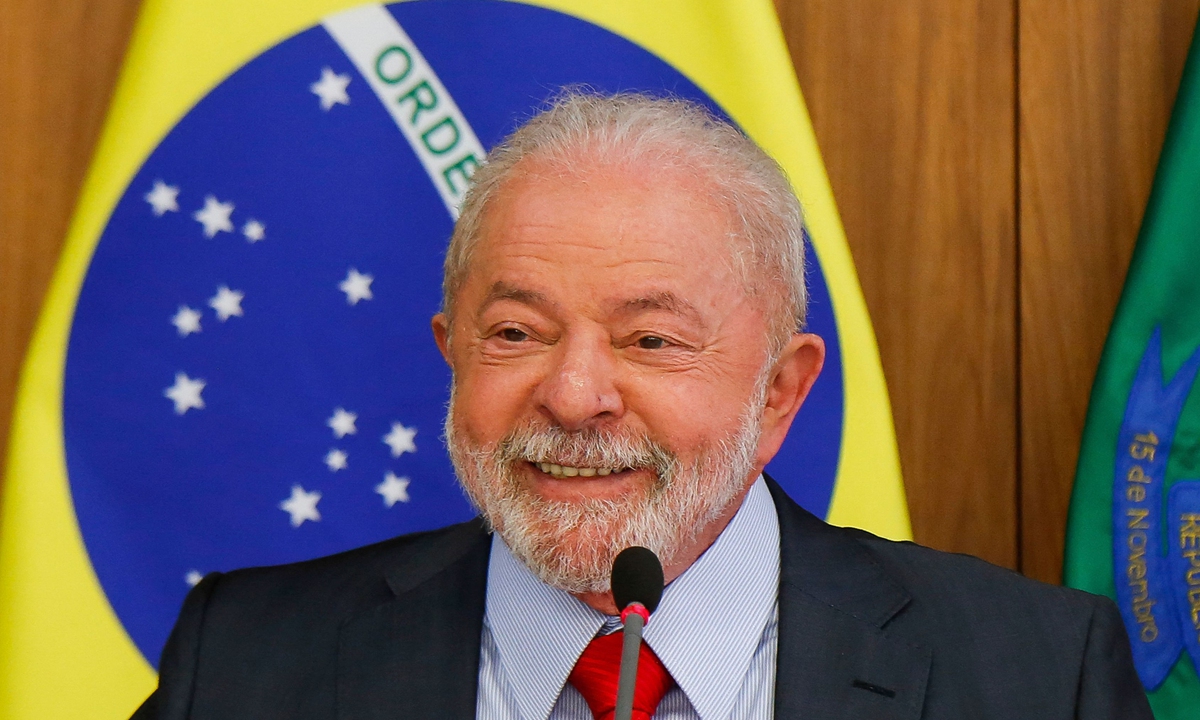
Brazilian financial markets suffered a sharp selloff on Monday following President Luiz Inácio Lula da Silva’s unexpected reelection victory over Flávio Bolsonaro in the October 25 presidential runoff.
The election result reversed investor expectations that Brazil would move toward tighter fiscal policies and a more business-friendly economic agenda.
Before the second round, Brazilian stocks had climbed to record highs as markets anticipated a Bolsonaro victory. However, Lula’s comeback prompted analysts from major financial institutions to warn about currency depreciation, rising bond yields and substantial losses in equities.
Brazil Stock Market Plunges Following Lula’s Election Victory
Brazil’s benchmark Ibovespa index dropped sharply during Monday’s trading session as investors reassessed the country’s economic outlook.
The Brazilian real also weakened significantly against the US dollar, reflecting concerns about government spending, public debt and future monetary policy.
The market reaction followed weeks of optimism surrounding the possibility of a change in government. Investors had anticipated that Bolsonaro’s proposals could strengthen fiscal discipline and encourage economic reforms.
Instead, Lula’s victory shifted attention toward the sustainability of Brazil’s public finances and the economic policies expected during his next presidential term.
Morgan Stanley Warns of Further Brazilian Real Weakness
Morgan Stanley expects Brazilian financial assets to face additional pressure as investors reverse positions established following the election’s first round.
The investment bank estimates that fiscal risk premiums could increase by approximately 200 basis points, potentially pushing January 2029 Brazilian interbank interest rate futures toward 14.50%.
Furthermore, analysts believe markets could rapidly eliminate much of the roughly 130 basis points of monetary easing previously reflected in short-term interest rate expectations.
Under its central scenario, Morgan Stanley expects the USD/BRL exchange rate to test 5.50.
However, the bank warned that a failure to announce credible spending reductions could produce a more severe market reaction.
In that scenario, USD/BRL could approach 6.00, while January 2029 interbank rates might climb toward 16.50%.
Such developments could also increase expectations of additional central bank rate hikes and possible intervention to stabilize Brazil’s currency.
Lula’s Spending Measures Raise Fiscal Concerns
Investors are also examining fiscal measures introduced during the final weeks of the presidential campaign.
Viktor Szabó, emerging markets debt director at Aberdeen Investments, highlighted several government initiatives that increased concerns about future public spending.
Among the most significant was a 15% increase in Bolsa Família benefits, Brazil’s major cash-transfer program supporting lower-income households.
The government also eliminated federal gasoline taxes and expanded subsidies for ethanol and imported diesel.
Additionally, Lula approved the cancellation of certain federal tax debts owed by microentrepreneurs.
Other initiatives included a proposed constitutional amendment allowing free public transportation on weekends and public holidays, alongside legislative action to end the six-day working week.
According to Szabó, these decisions raised questions about the government’s willingness to prioritize fiscal consolidation during periods of political pressure.
Barclays Predicts Volatility in Brazil’s Currency and Bond Markets
Barclays analysts warned that Lula’s election victory could trigger disorderly movements across Brazilian financial markets.
The bank identified 5.50 as a potential initial target for USD/BRL, indicating further depreciation of the Brazilian real.
Investors are expected to focus particularly on Lula’s choice of finance minister and the administration’s fiscal policy announcements.
Barclays also suggested that Brazilian sovereign bond spreads could widen by approximately 300 basis points in the coming days.
Such an adjustment would reflect a significant increase in the risk premium demanded by investors holding Brazilian government debt.
The bank compared the potential reaction with market turbulence following Lula’s 2022 election victory, when concerns about government spending also affected asset prices.
JPMorgan Warns of Trading Halts and Equity Market Losses
JPMorgan highlighted the possibility of extreme volatility in Brazilian equities, including the activation of trading circuit breakers.
Under the Brazilian stock exchange’s rules, a 10% decline in the Ibovespa triggers a 30-minute suspension of trading.
A subsequent decline of 15% results in another one-hour interruption. If losses reach 20%, exchange operator B3 has the authority to suspend trading for the remainder of the session.
JPMorgan expects companies heavily dependent on Brazil’s domestic economy to experience particularly strong selling pressure.
By contrast, exporters could perform relatively better because a weaker Brazilian real generally increases the local-currency value of foreign revenues.
The bank also downgraded Brazilian sovereign bonds to an underweight recommendation.
Analysts cited concerns about the country’s relatively strong recent bond performance compared with similarly rated emerging markets and its exposure to potential fiscal deterioration.
ING Sees Risks From Brazil’s Deficit and Global Bond Yields
ING strategist Chris Turner warned that Brazilian assets could experience substantial losses following the election result.
His initial assessment pointed to a possible 5% to 7% increase in USD/BRL at the market opening, alongside double-digit declines in the Ibovespa index.
Turner also emphasized Brazil’s vulnerability to external financial pressures.
With a budget deficit estimated at approximately 7% to 8% of GDP and net public debt around 70% of GDP, rising global borrowing costs could further complicate the country’s fiscal outlook.
In particular, another increase in US Treasury yields could amplify pressure on Brazilian bonds, stocks and the currency.
Meanwhile, investors will be monitoring the response of Bolsonaro and his political allies to the election result.
A constitutional and orderly political transition could help reduce uncertainty, although disagreements over economic policy may remain unresolved.
Investors Look for a Credible Fiscal Plan From Lula
Other major investment institutions have echoed concerns about Brazil’s fiscal trajectory.
Graham Stock, senior emerging markets strategist at RBC BlueBay, believes the government’s response to financial market volatility will play an important role in determining the longer-term outlook.
However, political negotiations could complicate the process, as Lula will need to establish sufficient congressional support for his economic agenda.
Meanwhile, Kurt Knowlson, senior portfolio manager at Aviva Investors, warned that recent spending commitments have made fiscal consolidation more challenging.
Without a credible strategy to stabilize public finances, Brazil could face continued currency weakness and higher long-term interest rates.
Capital Economics analyst William Jackson also warned that the unexpected election outcome could reverse earlier market gains linked to hopes for fiscal reform.
According to this assessment, falling stock prices, a weaker currency and rising government bond yields could persist until investors receive clearer signals about the administration’s economic priorities.
Brazil Market Outlook Hinges on Fiscal Policy and Investor Confidence
The immediate reaction to Lula’s reelection highlights the sensitivity of Brazilian financial markets to government spending, fiscal credibility and monetary policy expectations.
Although the initial selloff reflects a rapid reassessment of investor positioning, the longer-term direction of Brazilian assets will depend on the administration’s decisions.
Markets will be watching for announcements concerning spending reductions, the appointment of key economic officials and negotiations with Congress.
Global developments, particularly US Treasury yields and broader emerging market risk appetite, could also influence Brazil’s financial conditions.
For now, analysts remain focused on whether Lula can establish a credible fiscal framework capable of restoring investor confidence and limiting further pressure on Brazilian stocks, bonds and the real.