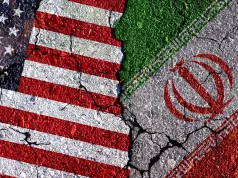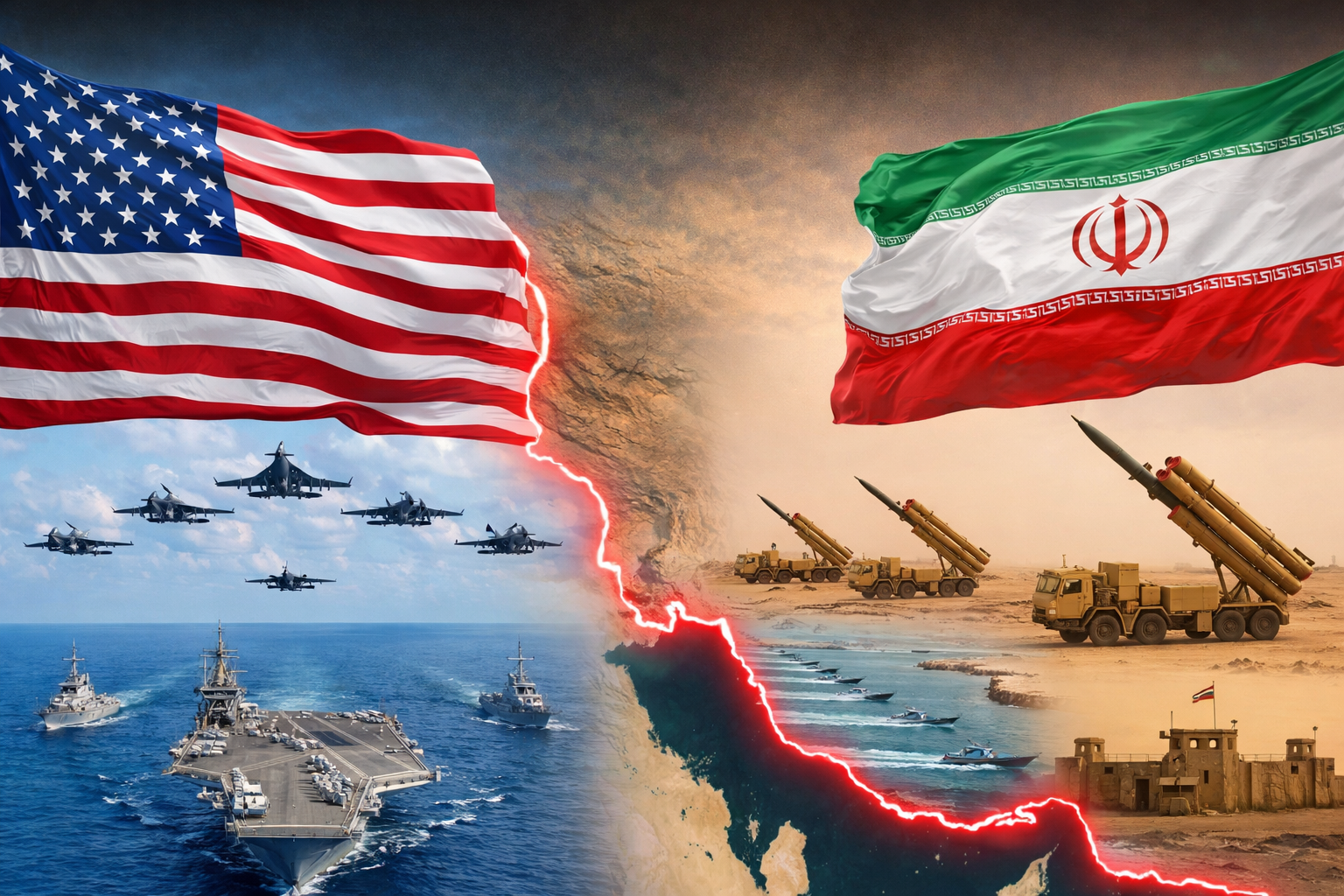
The United States is preparing for the possibility of an extended military confrontation with Iran, even as President Donald Trump’s administration continues using military pressure and economic sanctions to seek concessions from Tehran.
According to a Financial Times report published on Friday, October 23, US Ambassador to the United Nations Mike Waltz warned that the Iran conflict could remain unresolved for another year.
The prolonged confrontation has already disrupted global energy supplies, driven fuel prices higher and created uncertainty across international commodity markets.
US Prepares for Prolonged Iran Conflict
Washington is increasingly considering the possibility that tensions with Iran could persist despite ongoing efforts to reach a diplomatic agreement.
In an interview with the Financial Times, Waltz acknowledged that the United States could face a continued stalemate over the next 12 months.
Such a scenario could leave major disagreements over Iran’s nuclear programme unresolved while shipping activity through the Strait of Hormuz remains below prewar levels.
The comments suggest that US officials are preparing for a longer confrontation than initially anticipated.
The Trump administration continues to pursue a strategy combining economic restrictions, military pressure and diplomatic demands aimed at securing concessions from Iran.
However, the timing and prospects of a comprehensive agreement remain uncertain.
US Navy Could Maintain Blockade of Iranian Ports
A key element of Washington’s strategy involves maintaining pressure on Iran’s maritime trade and economic activity.
Waltz indicated that the US Navy could continue its blockade of Iranian ports for the foreseeable future, with no immediate deadline for ending the restrictions.
The administration is also strengthening economic measures intended to pressure Tehran into negotiations.
These policies aim to increase the financial consequences of the conflict and encourage Iranian authorities to reconsider their position on nuclear development and regional security.
Nevertheless, the continued blockade raises concerns about its effects on international trade, energy shipments and broader economic stability.
The Strait of Hormuz remains particularly important because it serves as a major transportation route for oil and other energy products.
Any prolonged disruption could continue affecting global supply chains and shipping costs.
Trump and Netanyahu Raise Possibility of Renewed Military Strikes
The Financial Times report also highlighted renewed concerns about potential military escalation following the November 3 US midterm elections.
President Trump and Israeli Prime Minister Benjamin Netanyahu have raised the possibility of further military action against Iran.
However, no new offensive has been confirmed, and the possibility of additional strikes remains dependent on future political and military decisions.
The renewed warnings come as diplomatic efforts have struggled to resolve the central disagreements between Washington and Tehran.
A fresh escalation could increase uncertainty across the Middle East, particularly around energy infrastructure and important maritime trade routes.
Investors and international governments are closely monitoring developments for indications of either renewed negotiations or further confrontation.
Iran Conflict Disrupts Global Oil and Commodity Markets
The conflict is approaching its ninth month, significantly longer than the initial four-to-five-week timeframe outlined by President Trump.
The extended confrontation has created substantial challenges for global energy markets.
Disruptions to oil exports and shipping activity have contributed to higher fuel prices, increasing costs for businesses and consumers around the world.
The economic consequences have also extended beyond crude oil.
Shortages and supply disruptions involving fertilisers and other essential commodities have complicated international trade and raised concerns about production costs.
Higher fertiliser prices can increase agricultural expenses, potentially adding pressure to food prices.
Meanwhile, rising energy costs can contribute to broader inflation by increasing transportation, manufacturing and distribution expenses.
These developments highlight the wider economic consequences of a prolonged conflict in one of the world’s most strategically important energy-producing regions.
Iran Nuclear Programme Remains Central to US Demands
Iran’s nuclear activities remain a major obstacle to resolving the confrontation.
Waltz emphasized that Washington’s strategic objectives would not be achieved without addressing Iran’s stockpile of highly enriched nuclear material.
The United States also wants a meaningful agreement concerning uranium enrichment within Iranian territory.
These demands form a central part of the Trump administration’s approach to negotiations with Tehran.
However, reaching an agreement remains difficult as both sides continue to disagree over nuclear restrictions, economic sanctions and security arrangements.
Without progress on these issues, the possibility of a prolonged diplomatic and military stalemate remains significant.
Middle East Conflict Outlook Remains Uncertain
The latest statements from Washington indicate that the United States is preparing for several possible outcomes in its confrontation with Iran.
While the Trump administration continues pursuing concessions through economic and military pressure, officials acknowledge that a settlement may take considerably longer than originally expected.
The ongoing blockade of Iranian ports, uncertainty surrounding the country’s nuclear programme and the possibility of further military escalation all complicate prospects for a near-term agreement.
Meanwhile, disruptions to energy supplies and international trade continue affecting the global economic outlook.
The duration of the US-Iran conflict will depend heavily on diplomatic progress, developments around the Strait of Hormuz and decisions concerning future military operations.
For now, Washington appears prepared to maintain pressure on Tehran even if negotiations remain stalled for an extended period.