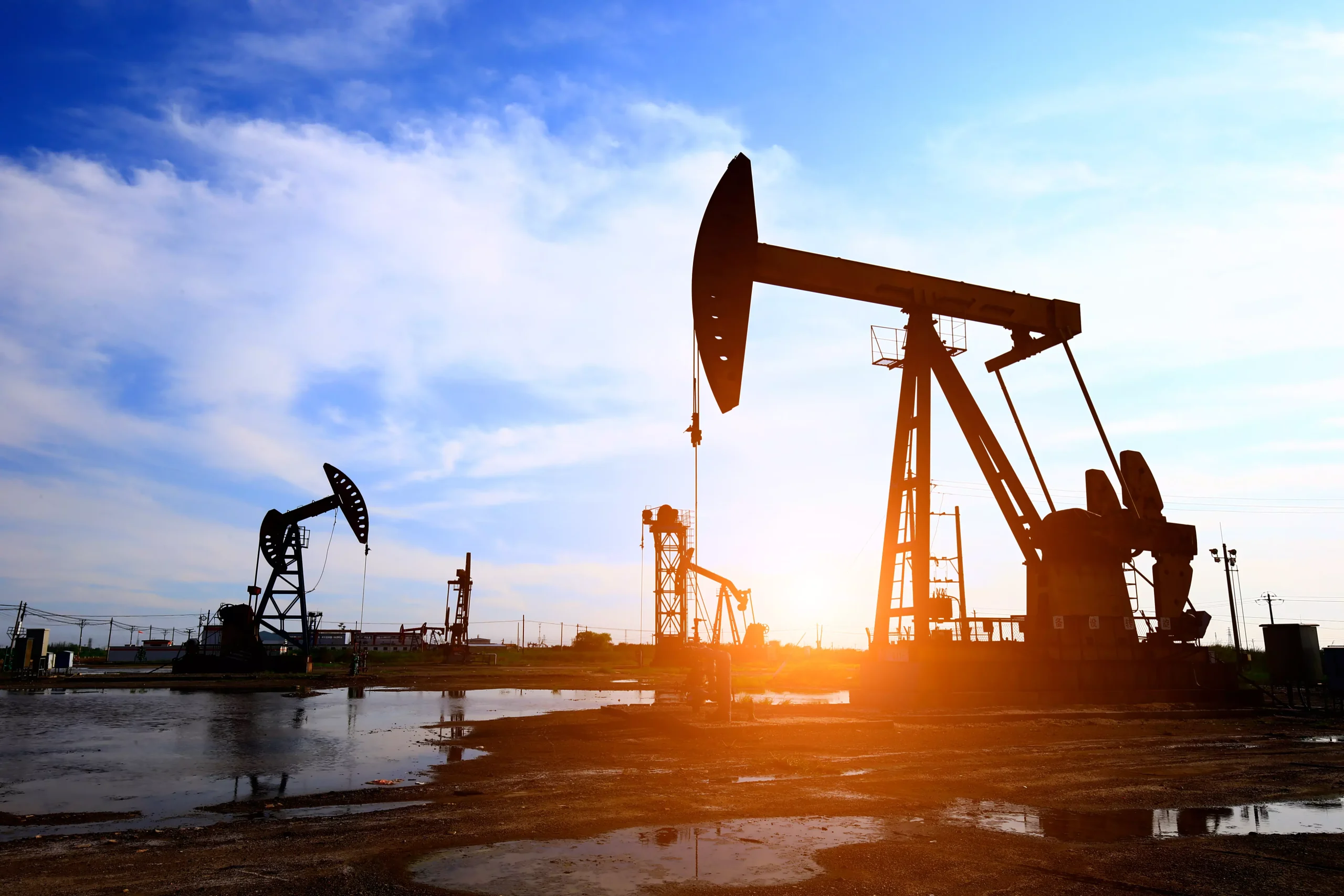
Oil prices surged on Thursday as escalating tensions in the Middle East raised concerns about potential disruptions to global crude supplies. A larger-than-expected decline in US oil inventories also provided additional support to energy markets.
Brent crude futures advanced 2.8% to $111.84 per barrel by 08:47 ET (12:47 GMT). Meanwhile, US West Texas Intermediate (WTI) futures climbed 2.6% to $99.67 per barrel.
The rally followed reports suggesting that the United States and Israel could launch renewed military operations against Iran following the US midterm elections in November.
Investors are increasingly concerned that another escalation could threaten energy infrastructure and shipping routes across one of the world’s most important oil-producing regions.
Oil Prices Rise as US and Israel Consider New Iran Strikes
According to The New York Times, the United States and Israel have reportedly developed plans for additional military strikes against Iran after the upcoming American midterm elections.
Potential targets could include Iranian energy infrastructure, nuclear facilities, and missile and drone capabilities.
The report also indicated that military preparations have intensified, with US and Israeli officials discussing possible operations.
US Defense Secretary Pete Hegseth reportedly met Israeli Prime Minister Benjamin Netanyahu this week to assess potential military options.
However, no final decision to launch another offensive has been confirmed.
President Donald Trump has repeatedly delayed possible military action against Iran and previously indicated that renewed hostilities would not begin before the November elections.
Despite these statements, growing uncertainty surrounding the region has increased volatility in global energy markets.
Iran Warns of Retaliation as Oil Supply Risks Increase
Iran has warned that any additional American military action could trigger a significant retaliatory response.
Potential targets mentioned by Iranian officials include Saudi Arabian oil refineries, data centers, and undersea communications infrastructure.
Meanwhile, security conditions around the Strait of Hormuz have deteriorated following a series of reported attacks on commercial shipping.
The narrow waterway remains a strategically important route for international crude oil exports.
Any major interruption to tanker movements could restrict energy shipments and place further upward pressure on global oil prices.
Analysts at Vital Knowledge warned that renewed attacks, particularly those targeting civilian facilities and energy infrastructure, could significantly worsen existing oil and natural gas supply shortages.
Such developments could have broader economic consequences, including higher transportation costs and additional inflationary pressures.
Seven Oil Tankers Reportedly Damaged in Strait of Hormuz
Concerns about maritime security intensified after Iranian state television reported that seven oil tankers had been damaged or caught fire overnight in the Strait of Hormuz.
According to information carried by the Associated Press, the incidents reportedly involved attacks on vessels and explosions caused by naval mines.
The claims have not been independently verified.
The reported incidents have added to fears that commercial shipping through the region could face further disruptions.
For energy traders, threats to tanker traffic represent a particularly important risk because shipping interruptions can reduce the availability of crude oil even when production facilities remain operational.
Consequently, continued instability in the Strait of Hormuz could sustain a geopolitical risk premium in international oil markets.
Houthi Attacks Add to Middle East Energy Supply Concerns
Elsewhere in the region, fighting involving Saudi Arabia and Yemen’s Iran-backed Houthi movement has further heightened security concerns.
Houthi forces have continued launching aerial attacks against Saudi targets, increasing the risk of disruptions to important infrastructure.
According to Reuters, deteriorating security conditions have prompted the withdrawal of some US diplomatic personnel and their family members from Saudi Arabia.
The developments have contributed to growing uncertainty surrounding regional energy supplies.
Saudi Arabia remains one of the world’s largest crude oil producers, making the security of its production facilities and export infrastructure particularly important for global markets.
Any sustained disruption to Saudi oil operations could further tighten international supplies and reinforce upward pressure on crude prices.
US Crude Oil Inventories Fall More Than Expected
Beyond geopolitical developments, the latest US energy inventory figures also supported the oil market.
Official data released Wednesday by the US Energy Information Administration showed that commercial crude oil stockpiles declined by approximately 3.1 million barrels during the week ending October 16.
The decrease exceeded market expectations, indicating a larger-than-anticipated reduction in available US crude inventories.
Lower oil inventories can support prices when traders interpret the decline as evidence of tighter supply conditions.
Combined with concerns about potential Middle East disruptions, the inventory data strengthened bullish sentiment across energy markets.
However, changes in inventories can also reflect temporary fluctuations in refinery activity, imports, exports, and production.
Oil Market Outlook: Geopolitical Risks Remain the Key Driver
Looking ahead, crude oil prices are likely to remain sensitive to developments involving Iran, Israel, the United States, and regional shipping security.
Further military escalation or confirmed disruptions to major energy facilities could intensify concerns about global supply shortages.
Conversely, signs of diplomatic progress or easing tensions could reduce the geopolitical risk premium currently influencing oil markets.
Investors will also monitor upcoming US petroleum inventory reports, global demand indicators, and developments affecting major crude producers.
For now, the combination of escalating Middle East tensions and declining US crude inventories continues to provide support for oil prices, while uncertainty surrounding regional security keeps energy markets on alert.