Bitcoin moved lower alongside US stocks as hotter inflation, rising oil prices and another surge in Treasury yields weighed on risk appetite.
Bitcoin (BTC) briefly fell below $77,000 around Thursday’s Wall Street open as investors reacted to renewed macroeconomic pressure.
Bitcoin Faces Fresh Macro Pressure
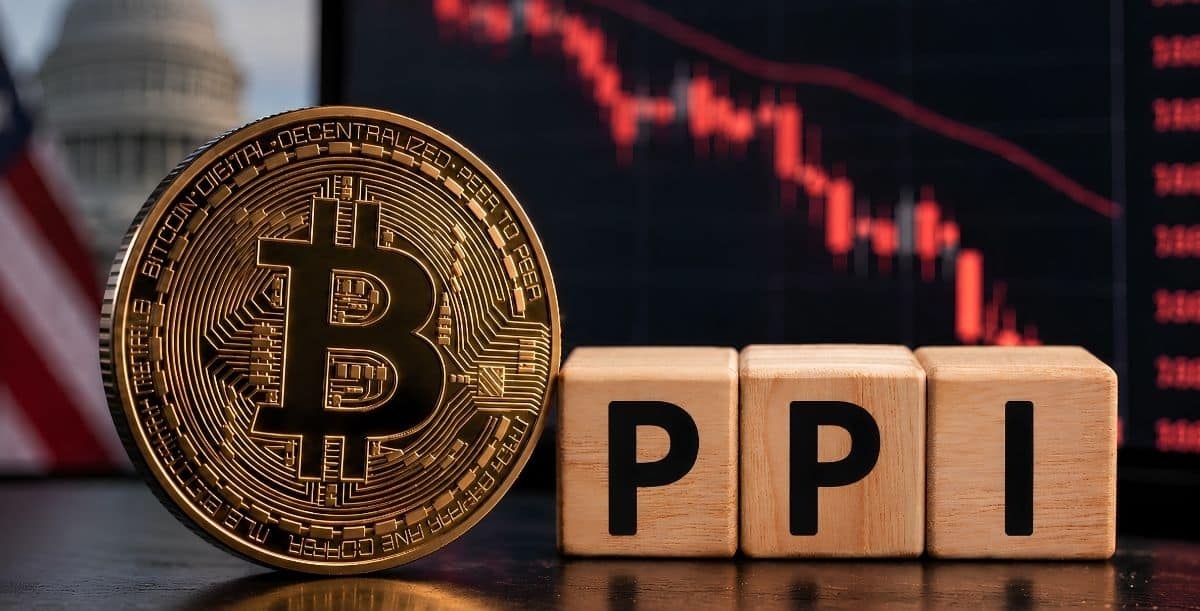
Bitcoin came under selling pressure after US Producer Price Index (PPI) inflation exceeded expectations. The August reading reached 5.4% year-on-year, slightly above forecasts.
At the same time, escalating tensions in the Middle East pushed oil prices sharply higher. WTI crude climbed above $100 per barrel for the first time since May.
Long-term US bond yields also continued to rise. The 30-year Treasury yield reached its highest level since June 2007, despite a $6 billion Treasury buyback operation.
TradingView data showed BTC/USD heading toward a daily decline of around 2%, while US equities also traded lower.
Oil Prices Surge Above $100
Renewed geopolitical tensions in the Middle East added further pressure to global markets.
WTI crude oil moved above $100 per barrel for the first time since May 21. Brent crude also climbed above $105 per barrel, approaching a fresh 16-week high.
Higher energy prices have renewed concerns that inflation could remain elevated for longer than markets previously expected.
That combination of expensive oil and persistent inflation has increased pressure on both cryptocurrencies and other risk assets.
US Bond Yields Hit Multidecade Highs
Bond markets also remained under heavy pressure as long-term US Treasury yields moved higher.
The rise came even after the US Treasury carried out the first of its expanded debt buyback operations, purchasing approximately $6 billion of Treasury securities on Wednesday.
Despite the intervention, the US 30-year Treasury yield climbed to 5.353%, its highest level since June 2007.
The benchmark 10-year Treasury yield also rose to 4.924%, reaching its highest level since November 2023.
Higher Treasury yields can create significant pressure on risk assets because they increase borrowing costs and make lower-risk fixed-income investments more attractive.
Trading resource The Kobeissi Letter highlighted the potential impact of rising borrowing costs on both consumers and the US government, describing the bond market as effectively pushing back against the Treasury.
Hot US PPI Adds to Bitcoin Pressure
The latest US Producer Price Index provided another warning that inflationary pressures remain elevated.
Headline PPI rose 5.4% year-on-year in August, coming in 0.1 percentage points above expectations. July’s headline figure was also revised higher.
The Bureau of Labor Statistics reported that final demand prices excluding food, energy and trade services increased by 0.3% in August after gaining 0.4% in July.
Over the previous 12 months, prices within that category increased by 4.7%.
The stronger-than-expected inflation figures added to concerns that the Federal Reserve may need to maintain tighter monetary policy.
Fed Rate Hike Expectations Increase
Expectations for another Federal Reserve interest-rate increase rose following the PPI release.
According to CME Group’s FedWatch Tool, markets priced a 69.8% probability of a 0.25% rate hike at the Fed’s September 16 meeting.
That was up from 61.2% one day earlier.
Expectations for tighter Fed policy had already strengthened following better-than-expected US nonfarm payrolls data.
Investors will now turn their attention to the upcoming Consumer Price Index (CPI) report.
The CPI release will be the final major US inflation report before the Federal Reserve announces its next interest-rate decision.
ECB Raises Rates Again
Monetary tightening is not limited to the United States.
On Thursday, the European Central Bank raised interest rates by another 0.25 percentage points.
The move marked the ECB’s second rate increase of 2026 and reinforced concerns that global borrowing costs could remain elevated.
For Bitcoin, the combination of stronger inflation, higher oil prices and rising government bond yields creates a challenging short-term macroeconomic environment.
Traders will therefore be watching upcoming US inflation data and central-bank decisions closely for signs of whether pressure on risk assets could intensify or begin to ease.