Asian currencies moved broadly higher on Monday, led by a strong rally in the South Korean won and continued gains in the Japanese yen.
The won climbed to its strongest level in nearly two years, while the yen extended its best weekly advance since late July.
At the same time, the U.S. dollar remained under pressure as investors reassessed global interest-rate expectations and monitored renewed Middle East tensions and elevated oil prices.
Dollar Stays Weak Despite Fed Rate Hike Bets
Markets are currently pricing in roughly a 57% chance of a Federal Reserve rate hike in September.
Friday’s U.S. jobs data has increased attention on upcoming consumer-price inflation figures, which are due later this week.
The U.S. Dollar Index traded near 99.2, remaining close to its recent low around 98.6.
Despite expectations for tighter U.S. monetary policy, the dollar has struggled to gain momentum as investors weigh broader fiscal and economic concerns.
Yen Strengthens as BOJ Rate Hike Expectations Rise
The Japanese yen continued to strengthen, with USD/JPY trading near 156.14.
That left the yen close to its strongest level in more than a month.
The currency gained about 2.7% last week, putting it on track for its strongest weekly performance since July.
The yen rally has been supported by growing expectations that the Bank of Japan could raise interest rates by 25 basis points on September 18.
Traders are also considering the possibility that the BOJ could signal further rate increases in the months ahead.
Japan Keeps Currency Intervention in Focus
Another factor supporting the yen is the possibility of renewed government intervention in the foreign-exchange market.
Japan’s top currency diplomat, Atsushi Mimura, recently said authorities remain alert to exchange-rate movements and continue to communicate closely with U.S. officials.
These comments have kept expectations of potential yen-buying intervention in focus.
Japan’s Foreign Reserves Fall After Intervention
Japan also appears to have reduced its holdings of foreign securities to help fund its recent currency intervention.
Finance Ministry data showed that foreign securities holdings declined by a record $87.8 billion at the end of August.
The size of the decline was close to the value of the latest intervention operation.
Japan has said it spent approximately 15.4 trillion yen, or around $98.6 billion, supporting the currency during the month through August 26.
Part of the intervention was carried out alongside the United States, making it the largest monthly currency intervention on record.
South Korean Won Surges on Chip Stock Rally
The South Korean won was another major outperformer.
Although USD/KRW traded around 1,346.98, the won earlier strengthened to approximately 1,334.70, its highest level since October 2024.
The currency was supported by a strong rally in Korean semiconductor stocks, including major names such as Samsung Electronics and SK Hynix.
Foreign investor demand also strengthened.
International investors bought more than 800 billion won, or roughly $598 million, worth of Korean shares on the KOSPI.
That marked the third consecutive session of foreign capital inflows.
Asian Currency Performance Remains Mixed
Elsewhere in Asia, currency moves were more modest.
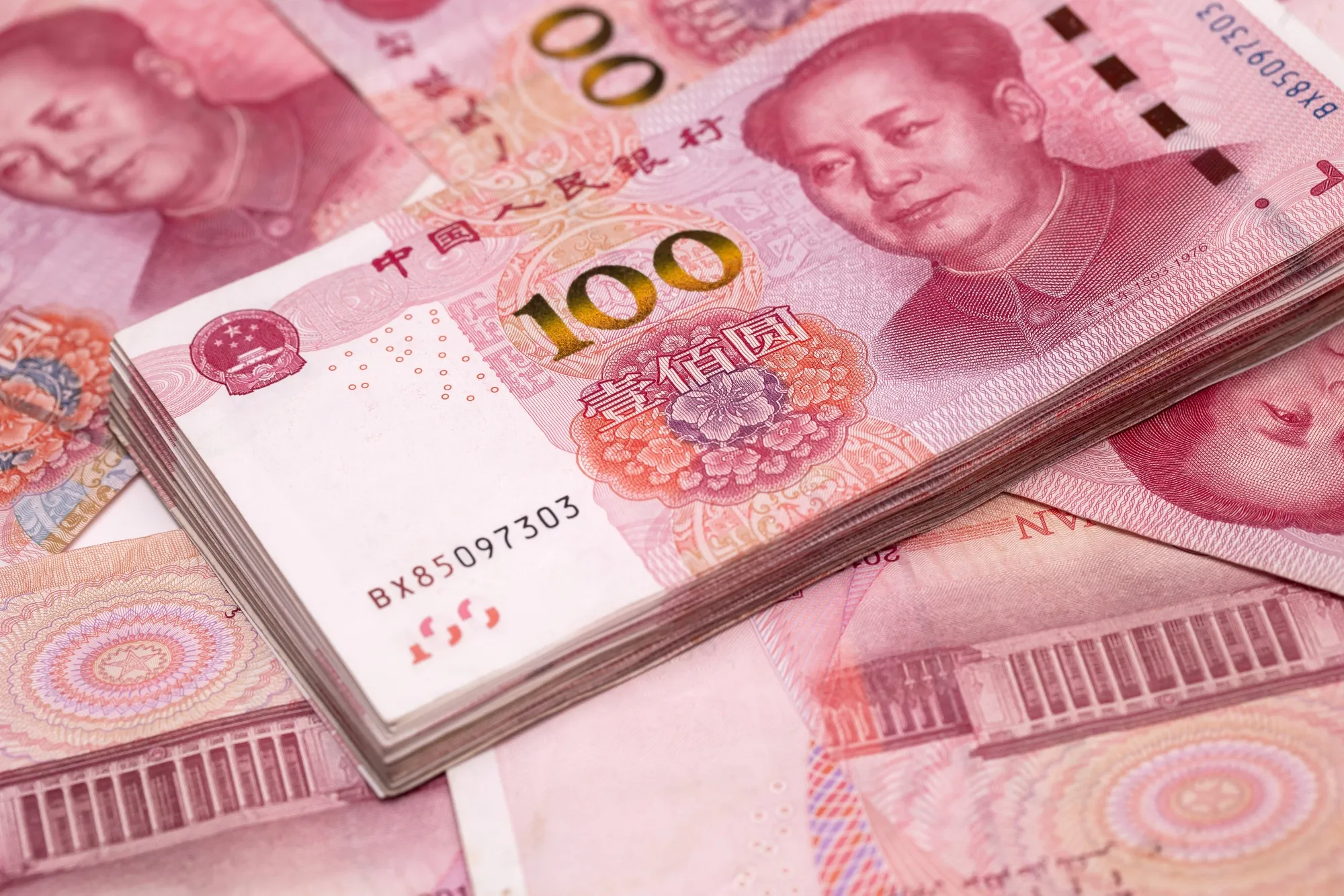
The Chinese yuan was little changed against the dollar, with both offshore and onshore exchange rates posting only small moves.
The Indian rupee extended recent gains, while the Singapore dollar and Malaysian ringgit weakened slightly against the U.S. dollar.
The Australian dollar remained close to $0.72, while the New Zealand dollar traded near $0.59.
Philippine Peso Remains Region’s Weakest Currency
The Philippine peso remained one of the weakest currencies in Asia.
It has fallen approximately 6.2% this year, making it the worst-performing major currency in the region.
The peso is particularly vulnerable to higher oil prices because the Philippines depends heavily on imported energy.
Unlike major manufacturing or commodity-exporting economies, the Philippines relies heavily on services to generate foreign currency revenues.
As a result, rising oil prices can place additional pressure on the country’s trade balance and currency.
Global Central Banks Remain in Focus
Investors are now turning their attention to several major central-bank decisions and economic releases.
U.S. consumer-price inflation data later this week could influence expectations for the Federal Reserve’s September meeting.
The Bank of Japan’s September 18 decision will also be closely watched as markets assess whether policymakers are ready to raise rates.
Meanwhile, the European Central Bank is expected to tighten policy this week, while investors will also monitor the Reserve Bank of Australia later this month.
With oil prices, bond yields and interest-rate expectations shifting rapidly, Asian currencies and the U.S. dollar are likely to remain sensitive to global monetary policy developments in the coming weeks.