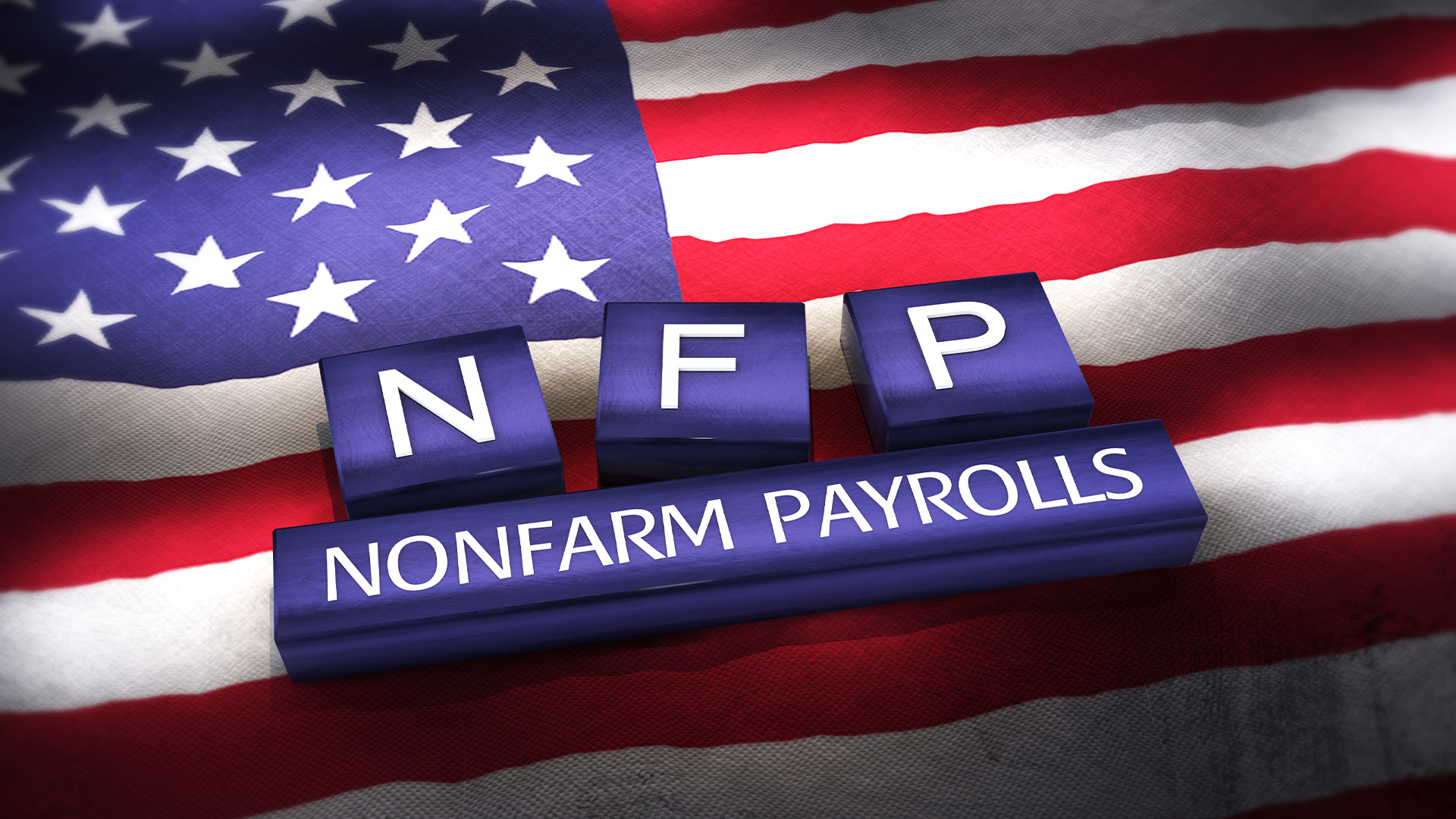
U.S. job growth came in far stronger than expected in August, while employment figures for June and July were revised sharply higher.
The report reinforced signs that the U.S. labor market remains resilient despite persistent inflation. It also increased expectations that the Federal Reserve could raise interest rates later this month.
US Nonfarm Payrolls Surge in August
According to the U.S. Bureau of Labor Statistics, nonfarm payrolls increased by 162,000 in August.
Economists had expected an increase of only around 55,000 jobs.
The unemployment rate remained unchanged at 4.1%.
In addition, payroll figures for June and July were revised higher by a combined 55,000 jobs, strengthening the overall picture of the labor market.
Service Sector Leads Job Growth
Employment gains were particularly strong in food services and drinking establishments.
The sector added 59,000 jobs in August, well above its average monthly increase of around 12,000 over the previous year.
Local government education added another 42,000 jobs. That increase largely reversed a decline recorded in July.
Manufacturing employment also continued to improve, rising by 16,000 jobs during the month.
Since reaching a recent low in December 2025, manufacturing employment has increased by roughly 58,000 positions.
Fed Rate Hike Expectations Rise
The stronger jobs report immediately affected Federal Reserve rate expectations.
According to the CME FedWatch tool, traders increased the probability of a 25-basis-point rate hike at the September 16 meeting to around 58%.
Before the report, the implied probability had been closer to 52%.
A strong labor market gives the Fed greater flexibility to tighten monetary policy if inflation remains elevated.
Inflation Keeps Pressure on the Federal Reserve
The jobs data comes at a difficult time for the Federal Reserve.
The central bank’s preferred inflation gauge, the personal consumption expenditures price index, has remained above the Fed’s 2% target for 65 consecutive months.
Persistent inflation has fueled debate within the Federal Open Market Committee over whether interest rates should remain unchanged or move higher.
Fed Officials Remain Divided
The FOMC kept its key policy rate unchanged at its July meeting.
However, Cleveland Fed President Beth Hammack, Minneapolis Fed President Neel Kashkari and Dallas Fed President Lorie Logan dissented from that decision.
All three have publicly supported another rate hike.
Federal Reserve Chair Kevin Warsh also adopted a more hawkish tone during his recent Jackson Hole speech.
However, other policymakers, including New York Fed President John Williams and Fed Governor Christopher Waller, have recently sounded more cautious about further tightening.
Treasury Yields Rise After Jobs Report
The U.S. bond market had already been under pressure before the August employment data.
Investors have been concerned that the Federal Reserve could fall behind in its fight against inflation. Longer-term Treasury yields had climbed to multi-year highs as a result.
Additional pressure has come from rising U.S. government debt and heavy corporate borrowing linked to artificial intelligence infrastructure investment.
Following the jobs report, Treasury yields moved higher again.
The 2-year Treasury yield, which is particularly sensitive to monetary policy expectations, rose around 5.5 basis points to 4.389%.
The benchmark 10-year Treasury yield climbed approximately 2.2 basis points to 4.784%.
Wall Street Futures Fall on Rate Hike Concerns
U.S. stock futures moved lower after the strong employment figures increased expectations of tighter Federal Reserve policy.
Chris Zaccarelli, chief investment officer at Northlight Asset Management, described the market reaction as another example of the idea that good economic news can sometimes be negative for financial markets.
Strong job growth is positive for the economy, but it can also give the Federal Reserve more reason to keep interest rates elevated or raise them further.
Higher rates generally increase borrowing costs and can reduce the appeal of risk assets.
Strong Labor Market Reduces Pressure to Hold Rates
Zaccarelli noted that labor-market uncertainty had previously been one reason some Fed officials were hesitant to raise rates more aggressively.
The August employment report reduces some of those concerns.
With job creation stronger than expected and inflation still above target, policymakers may have fewer reasons to keep rates unchanged simply to support employment.
However, a September rate hike is still not guaranteed.
Upcoming inflation data and broader financial conditions are likely to remain important before the Fed makes its final decision.
Markets Still Focused on AI and Corporate Earnings
Despite rising interest-rate expectations, investor sentiment continues to receive support from strong corporate earnings and optimism surrounding artificial intelligence investment.
Zaccarelli said the stock market’s ability to recover after the jobs report could provide an important signal.
If equities regain momentum, it may suggest investors remain more focused on earnings growth and AI-related investment than on short-term Federal Reserve rate changes.
What Comes Next for the Fed?
The August jobs report has strengthened the case for keeping another Federal Reserve rate hike under consideration.
Strong payroll growth, upward revisions to previous months and stable unemployment all point to a resilient labor market.
However, inflation remains the decisive factor.
Markets will now closely monitor upcoming economic data for further clues on whether the Federal Reserve will raise rates at its September meeting or choose to remain on hold.