Gold prices moved lower on Wednesday as investors assessed the latest U.S. inflation figures and their potential impact on Federal Reserve policy.
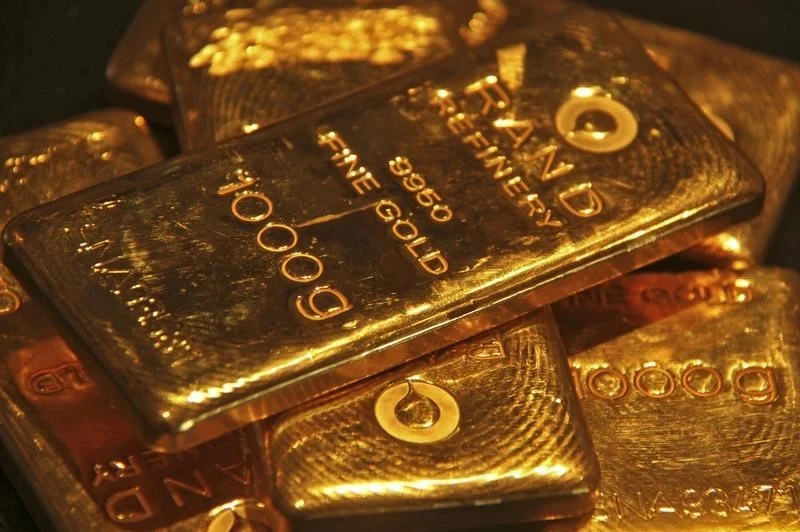
Spot gold fell around 0.9% to $4,619.53 per ounce, while gold futures declined about 0.4% to $4,674.51 per ounce.
The precious metal is also on course to end a three-week winning streak, although falling crude oil prices have provided some support.
Lower Oil Prices Ease Inflation Concerns
Crude oil dropped below $90 per barrel after reports pointed to progress in diplomatic efforts aimed at reducing tensions in the Middle East.
Iran and Oman reportedly discussed creating a temporary joint maritime corridor that could allow some shipping traffic through the Strait of Hormuz to resume.
Separately, a Russian news agency reported that the United States and Iran could announce a new ceasefire agreement within the coming days.
Lower oil prices can be supportive for gold because energy costs play an important role in inflation.
If crude prices rise sharply, inflation pressures may increase and encourage the Federal Reserve to keep interest rates higher for longer. Higher rates can reduce gold’s appeal because the precious metal does not provide interest or yield.
PCE Inflation Remains Elevated
Investors were also focused on the latest Personal Consumption Expenditures price index, the Federal Reserve’s preferred inflation measure.
Headline PCE increased 0.2% month over month in July, following a 0.1% decline in June.
On an annual basis, PCE inflation remained at 3.7%, unchanged from the previous month and slightly above economists’ forecast of 3.6%.
The figures suggest that inflation pressures remain persistent ahead of the Federal Reserve’s September policy meeting.
Core PCE Matches Market Expectations
Core PCE, which excludes volatile food and energy prices, rose 0.2% from the previous month.
On a yearly basis, core inflation increased 3.3%.
Both readings matched economists’ expectations.
Although the core figures did not deliver an upside surprise, inflation remains well above the Federal Reserve’s longer-term target, keeping uncertainty around future interest rate decisions elevated.
Jackson Hole Speech Could Drive Gold’s Next Move
Attention is now shifting toward Federal Reserve Chair Kevin Warsh’s upcoming speech at the Jackson Hole Economic Policy Symposium.
His address is expected to provide investors with more insight into how the central bank views the balance between persistent inflation and broader economic conditions.
Market participants are looking for clues about whether the Fed is prepared to maintain current interest rates or consider another increase if inflation remains stubborn.
Warsh has previously indicated that he does not intend to provide precise forward guidance on future borrowing costs.
Markets See Significant Chance of a Fed Rate Hike
Interest rate expectations remain divided ahead of the Federal Reserve’s September meeting.
According to CME FedWatch probabilities cited in the report, markets are pricing in roughly a 60% chance that rates will remain unchanged within the current 3.5% to 3.75% range.
There is also approximately a 40% probability of a 25-basis-point rate increase.
These expectations are particularly important for gold prices.
Higher interest rates typically increase the opportunity cost of holding non-yielding assets such as gold, while expectations for lower or stable rates can provide support for bullion.
Gold Traders Await the Next Major Catalyst
Gold remains sensitive to several competing factors, including inflation, interest rate expectations, oil prices and geopolitical developments.
The latest PCE data showed that inflation remains persistent, while lower crude prices have reduced some concerns about another surge in energy-driven price pressures.
Investors will now focus heavily on the Jackson Hole speech for indications about the Federal Reserve’s next policy move and the potential direction of gold prices.