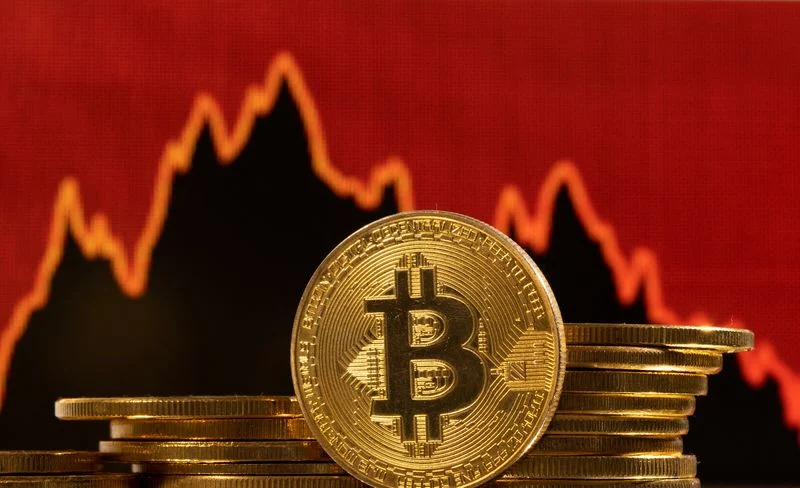
Bitcoin moved lower on Friday as escalating tensions in the Middle East and uncertainty surrounding new U.S. trade tariffs weakened demand for riskier assets.
The broader cryptocurrency market also declined, giving back part of the gains recorded earlier in the week.
Bitcoin fell 1.5% to $64,158.50 by 17:17 ET, or 21:17 GMT. Despite Friday’s decline, the world’s largest cryptocurrency remained on track for a modest weekly gain of approximately 0.3%.
Technology Stock Sell-Off Pressures Bitcoin
Weakness across global equity markets also reduced investor appetite for cryptocurrencies.
High-growth technology and artificial intelligence stocks suffered sharp losses, encouraging traders to reduce their exposure to speculative investments.
Bitcoin often trades in line with other risk-sensitive assets during periods of market uncertainty. Therefore, the decline in technology shares placed additional pressure on the cryptocurrency market.
Iran Tensions Increase Market Uncertainty
Bitcoin’s losses followed a new escalation in the conflict involving the United States and Iran.
Iran-backed Houthi forces in Yemen reportedly attacked two Saudi Arabian vessels in the Red Sea. The development raised concerns about possible disruptions to major shipping and energy routes.
The Red Sea is an important transport corridor for global trade and oil supplies. Any prolonged disruption could increase energy costs and place further pressure on the world economy.
Higher Oil Prices Fuel Inflation Fears
Crude oil prices surged during the week as investors assessed the risk of supply shortages.
The oil rally strengthened concerns that energy-driven inflation could remain elevated. Higher fuel prices can increase transportation, manufacturing and consumer costs across the global economy.
Persistent inflation may encourage central banks to maintain higher interest rates or adopt a more restrictive policy stance.
Higher borrowing costs generally reduce demand for speculative assets, including Bitcoin and other cryptocurrencies.
New U.S. Tariffs Raise Trade War Concerns
Investor sentiment also weakened after the Trump administration announced new tariffs covering imports from 60 U.S. trading partners.
The measures were scheduled to take effect on Friday, increasing fears of another major global trade dispute.
Tariffs can raise the cost of imported products and disrupt international supply chains. They may also slow economic growth if affected countries respond with retaliatory measures.
Although tariffs and oil supply disruptions do not directly affect the Bitcoin network, their wider economic consequences can reduce demand for volatile assets.
Spot Bitcoin ETFs Provide Some Support
Bitcoin received some support from improving institutional capital flows.
According to data from SoSoValue, U.S. spot Bitcoin exchange-traded funds were heading toward their strongest weekly inflow since early May.
ETF inflows are closely monitored because they provide an indication of institutional and investor demand for Bitcoin.
The improvement in capital flows helped Bitcoin remain slightly positive for the week, despite growing geopolitical and economic uncertainty.
Ethereum, XRP and Major Altcoins Decline
The wider cryptocurrency market traded lower on Friday and was heading toward a relatively subdued weekly performance.
Ether, the world’s second-largest cryptocurrency, fell 1.2% to $1,860.26.
XRP declined 1.8% to $1.0898, while BNB slipped 0.4%.
Solana and Cardano recorded steeper losses, with both cryptocurrencies falling approximately 3.2%.
Dogecoin and TRUMP Memecoin Move Lower
Memecoins also followed the broader cryptocurrency market downward.
Dogecoin declined 0.9%, while the TRUMP token fell 2.7%.
Memecoins are generally more volatile than established cryptocurrencies. As a result, they can experience sharper price movements when investors become more cautious.
Crypto Markets Remain Sensitive to Global Risks
Bitcoin and other cryptocurrencies are likely to remain vulnerable to developments in the Middle East, oil price movements and changes in U.S. trade policy.
Investors will also monitor central-bank signals, inflation expectations and institutional ETF flows for clues about the market’s next direction.
While Bitcoin remained slightly higher for the week, continued geopolitical escalation or further weakness in global stock markets could keep cryptocurrency prices under pressure.