U.S. Completes Tenth Day of Strikes on Iran
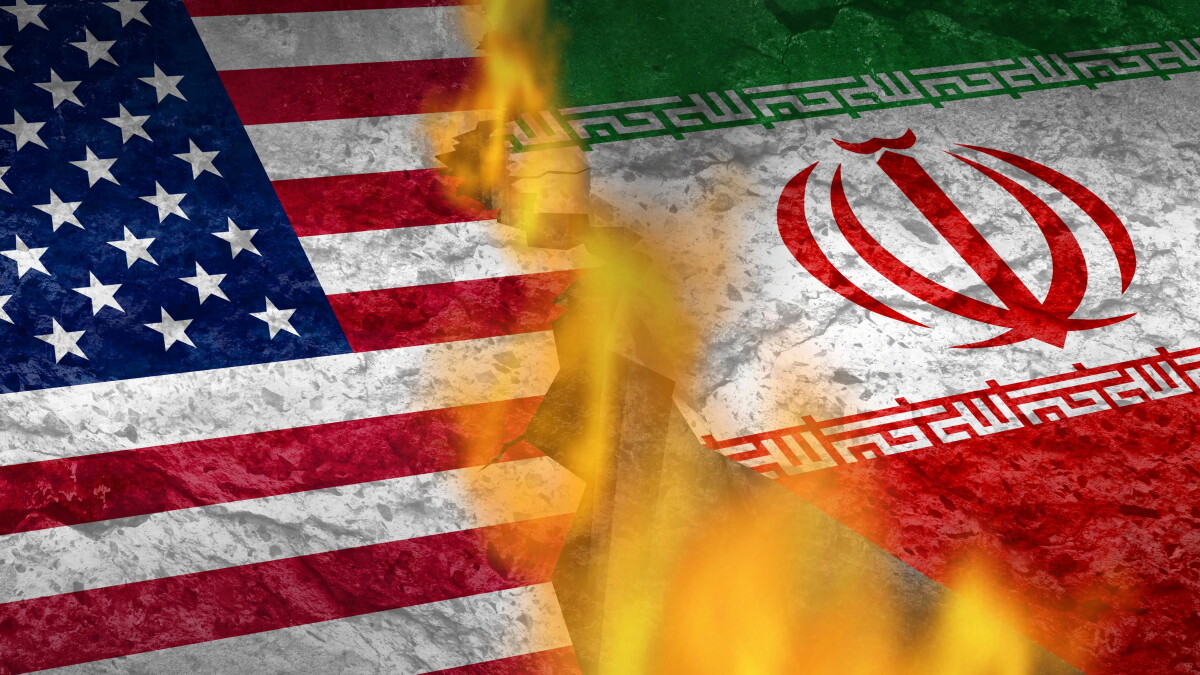
U.S. Central Command said on Monday evening that American forces had completed a tenth consecutive day of military strikes against Iran.
Tehran responded by targeting several U.S. positions across the Gulf, adding to concerns that the conflict could spread further across the Middle East.
Iranian forces were also reported to have attacked vessels in the Strait of Hormuz. Commercial shipping through the important waterway remained limited as military tensions continued to rise.
CENTCOM Targets Iranian Military Sites
CENTCOM said its latest operation focused on Iranian military targets.
According to the U.S. military, the strikes were intended to weaken Iran’s ability to attack commercial vessels travelling through the Strait of Hormuz.
Explosions were reported in Bandar Abbas, Qeshm Island and Konarak.
These locations are strategically important because of their proximity to major shipping routes and Iranian military infrastructure.
Iran Retaliates Against U.S. Bases
Iran’s Revolutionary Guard said it had launched drone attacks against three major U.S. military facilities in Kuwait, according to local media reports.
Iran was also reported to have targeted American bases in Jordan, Syria and Bahrain.
The latest exchange followed Iranian strikes over the weekend that killed at least three U.S. service members.
President Donald Trump said Iran would face consequences for the deaths.
U.S. Considers Expanding Iran Campaign
Reports published last week indicated that Trump was considering expanding the military campaign against Iran.
Possible targets were said to include energy facilities and civilian infrastructure.
Such an escalation could increase the economic impact of the conflict and raise the risk of further disruption to global oil and shipping markets.
Strait of Hormuz Dispute Fuels Conflict
The United States and Iran have exchanged repeated strikes since early July.
The latest confrontation is closely linked to disagreements over control and commercial shipping in the Strait of Hormuz.
Iran has argued that it controls the waterway and that vessels passing through the area must coordinate with Tehran.
The United States maintains that the strait should remain open to international shipping. Washington has also offered military protection to commercial vessels operating in the region.
Iran Closes Hormuz as U.S. Restores Blockade
Iran closed the Strait of Hormuz in response to the recent hostilities.
The United States then restored a naval blockade against Iran.
The waterway is one of the world’s most important energy routes. Any prolonged disruption could affect global oil supplies, shipping costs and insurance rates.
Houthi Blockade Threat Opens New Front
The conflict appeared set to expand after Yemen’s Iran-backed Houthi movement announced a naval blockade against Saudi Arabia on Monday.
Iran had previously suggested that allied groups could disrupt commercial shipping in other parts of the Middle East.
A wider campaign involving regional proxy groups could place additional pressure on important trade and energy routes.
Ceasefire Proposal Offers Limited Hope
Despite the continued fighting, there were some signs that diplomatic efforts remained active.
Reuters reported that regional mediators had presented Iran with a proposal for a 10-day ceasefire.
The proposed pause would aim to reduce hostilities and create an opportunity for renewed negotiations.
Washington and Tehran Leave Door Open to Talks
Iranian Foreign Minister Abbas Aragchi said discussions could resume after Iran achieved what he described as strategic gains.
U.S. Secretary of State Marco Rubio also said Washington remained open to further negotiations.
However, the continued exchange of strikes suggests that a lasting ceasefire may remain difficult to achieve in the near term.
Oil Prices Fall on Mediation Hopes
Oil prices retreated from five-week highs as traders considered the possibility of diplomatic progress.
Ceasefire hopes reduced some concerns about immediate supply disruptions.
Nevertheless, the conflict remains a major risk for oil markets because of the continued fighting, the closure of the Strait of Hormuz and the possibility of further regional blockades.