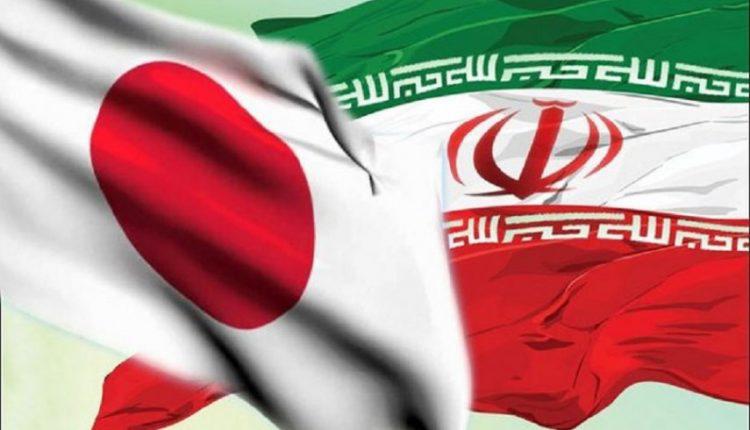
Iran is exploring a possible return to the Japanese oil market for the first time in seven years. However, potential buyers want longer U.S. sanctions relief and stronger security guarantees before agreeing to buy Iranian crude.
According to a Reuters report citing Iranian and Western sources, talks have started after Washington issued a temporary sanctions waiver on June 22. The waiver was granted as part of ongoing 60-day peace negotiations between the United States and Iran.
Temporary U.S. Waiver Opens Door to Talks
The current U.S. waiver is set to expire on August 21. It has allowed early discussions between Iran and Japanese companies about a possible restart of oil trade.
However, industry sources say the timeline is too short for normal commercial shipments. Crude deliveries from Iran to Japan can take several weeks, making the current waiver period difficult for buyers and refiners to use in practice.
Reuters reported that three Japanese buyers are now reviewing potential Iranian oil imports. These would be Japan’s first purchases of Iranian crude since 2019.
Japanese Buyers Want More Time
Japanese refiners are likely to need an extension of the U.S. sanctions waiver before making any firm commitments. Without a longer exemption, companies may struggle to arrange shipments, insurance, and payment structures with enough confidence.
Japanese and Iranian officials have also held early talks about restarting oil trade. Still, buyers remain cautious because the current authorization may not provide enough legal or operational certainty.
Shipping and Insurance Risks Remain
Security concerns are another major obstacle. Insurance availability and safe shipping through the Strait of Hormuz remain key issues for any potential Iran-Japan oil deal.
Although the ceasefire between Washington and Tehran has eased immediate geopolitical tensions, shipping risks have not fully returned to normal. Reuters reported that commercial vessels still face concerns in the Strait of Hormuz.
Insurers also remain cautious after recent attacks and reports of floating mines in the important waterway.
Iran Lost Major Oil Buyers After 2018 Sanctions
Japan, South Korea, India, and several European countries stopped buying Iranian crude after the United States tightened sanctions in 2018. The move followed President Donald Trump’s withdrawal from the Iran nuclear agreement.
Since then, China has remained the main buyer of Iranian oil. Independent Chinese refiners have continued to play a central role in absorbing Iranian crude exports.
Asian Refiners May Stay Cautious
The temporary waiver alone is unlikely to trigger major new purchases from Asian refiners. Many regional buyers are already well supplied and may avoid Iranian crude unless sanctions relief is extended.
A longer waiver and a lasting peace agreement would likely be needed before larger refiners in Japan or other Asian markets return to Iranian oil.
For now, independent Chinese refiners remain the most likely near-term buyers of Iranian crude, while Japanese companies continue to evaluate whether a return to Iran’s oil market is commercially and legally practical.