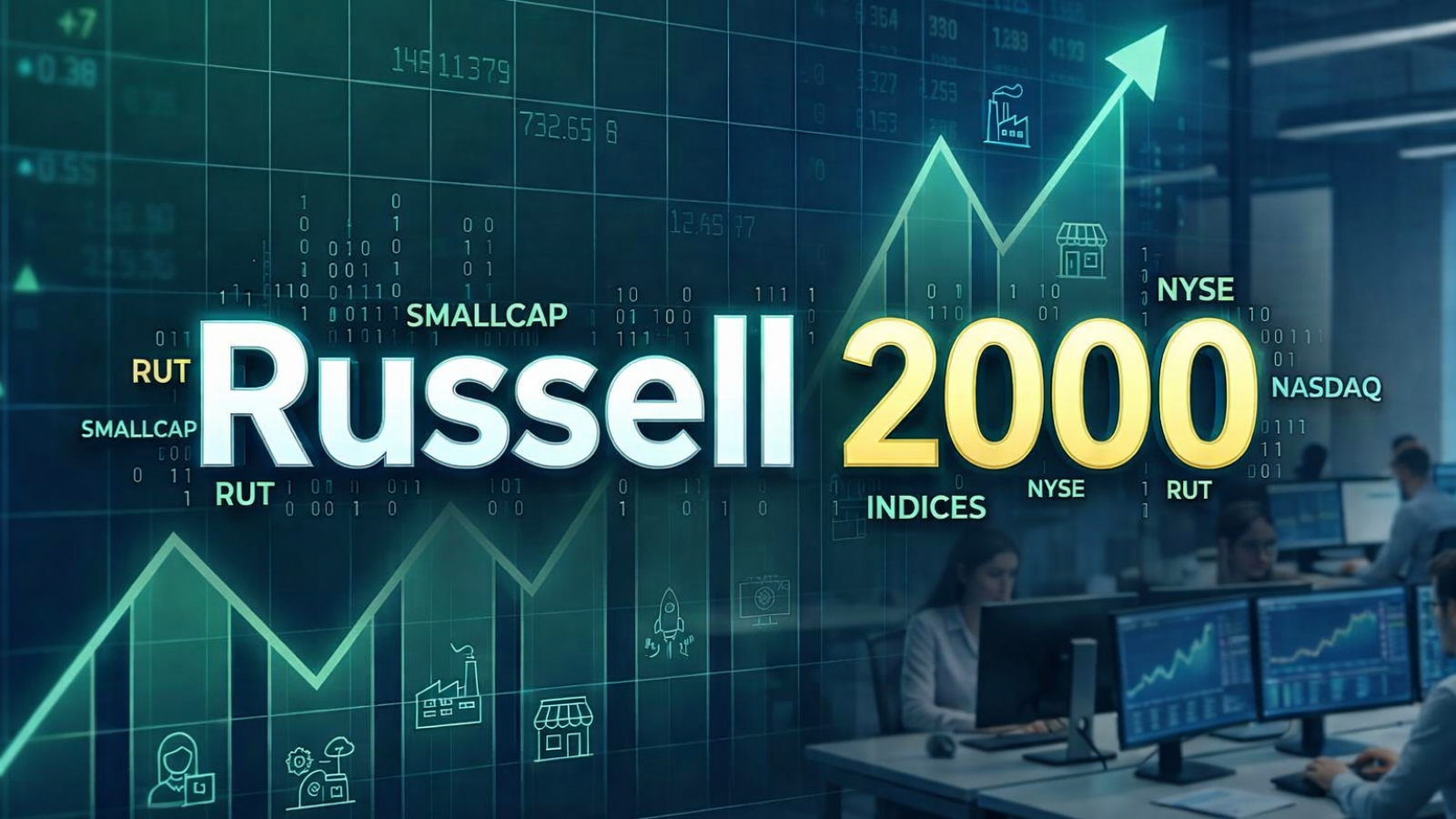
The Russell 2000 gained 23% during the first half of 2026 and rose 41% over the past 12 months.
This marked the small-cap index’s strongest performance since the rebound that followed the COVID-19 market downturn. However, Goldman Sachs expects returns to slow during the second half of the year.
AI Stocks Drive the Small-Cap Rally
Goldman Sachs analyst Ben Snider said the artificial intelligence trade played a major role in the recent strength of small-cap stocks.
AI infrastructure companies accounted for roughly 40% of the Russell 2000’s year-to-date return.
Small caps also benefited from having less exposure to the Magnificent Seven. The group of major technology stocks delivered a combined return of around 0% during the first half of 2026.
Russell 2000 Rebalancing Reduces AI Exposure
The Russell 2000’s latest index reconstitution may weaken one of the main drivers behind its recent gains.
The weighting of AI infrastructure stocks in the index fell from 15% to 7%.
As a result, several companies that made large contributions to the Russell 2000’s performance now have less influence over the index.
Healthcare and Economic Growth Support Small Caps
Small-cap stocks have also received support from a relatively healthy economic environment.
A surge in healthcare mergers and acquisitions has provided another boost. Russell 2000 companies have outperformed S&P 500 stocks in nine of the 11 market sectors so far this year.
Biotechnology stocks alone contributed around 10% of the Russell 2000’s year-to-date return.
Small-Cap Earnings Growth Expected to Accelerate
Analysts forecast earnings per share growth of 48% for the Russell 2000 in 2026.
That is twice the 24% earnings growth expected for the S&P 500.
However, Goldman Sachs warned that analysts have already reduced their Russell 2000 earnings estimates for 2026 by 9% since the beginning of the year.
Rising Valuations Explain Much of the Rally
Higher stock valuations have accounted for approximately half of the Russell 2000’s gains this year.
This suggests that much of the rally has come from investors paying higher prices for small-cap shares, rather than from stronger earnings alone.
Elevated valuations could therefore limit future returns if earnings fail to meet expectations.
Goldman Expects Slower Russell 2000 Returns
Goldman Sachs believes the combination of expensive valuations and moderate economic growth points to low single-digit returns for the Russell 2000 over the next 12 months.
A hawkish Federal Reserve remains one of the main risks to the outlook.
Nearly 30% of Russell 2000 companies are unprofitable, while around 29% of their debt carries floating interest rates.
Higher borrowing costs could place additional pressure on these businesses and weaken the small-cap rally.