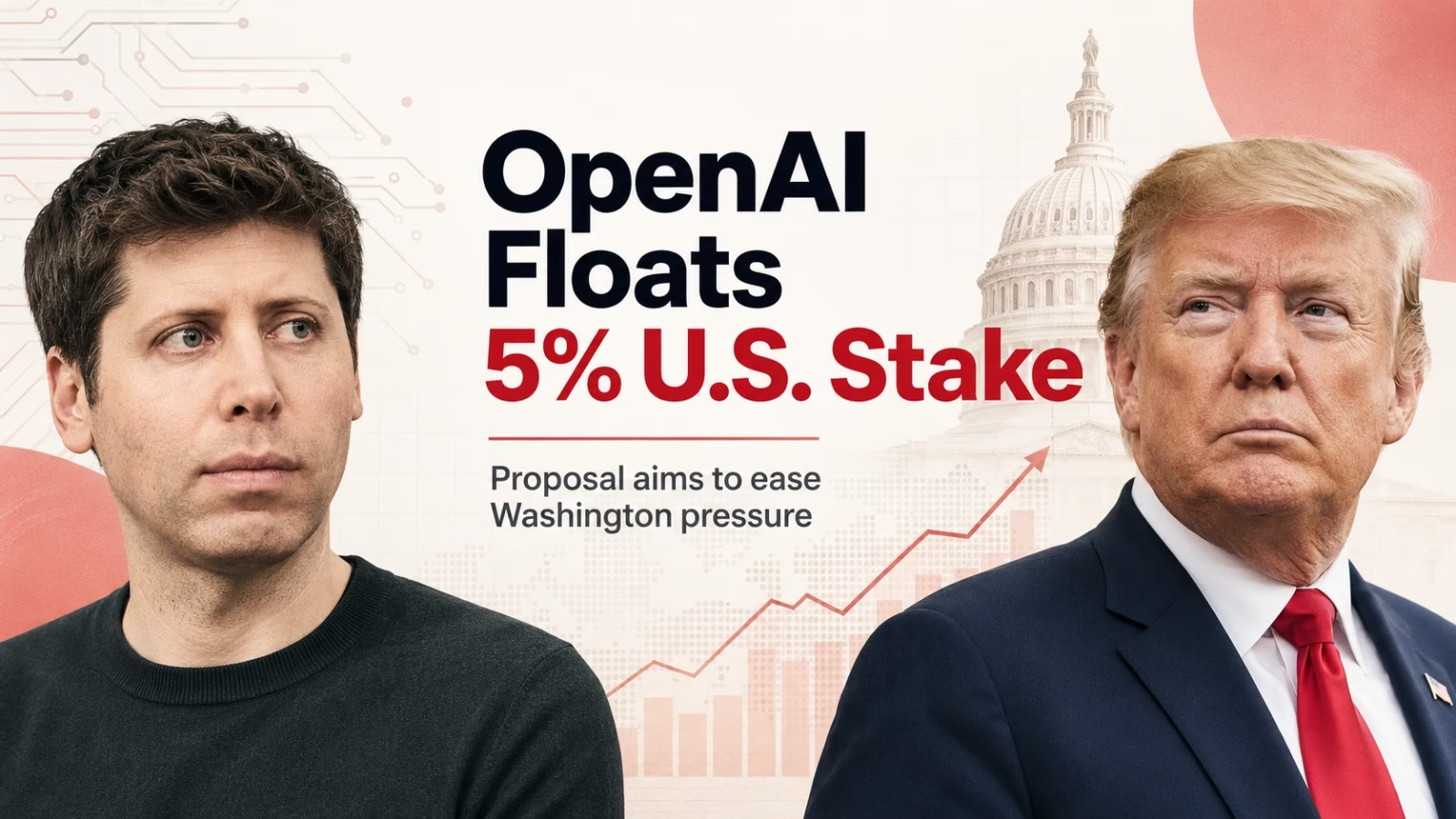
OpenAI has reportedly proposed giving the U.S. government a 5% ownership stake in the company.
According to the Financial Times, the proposal forms part of OpenAI’s effort to reduce political pressure in Washington and strengthen its relationship with the U.S. government.
Sam Altman Raises the 5% Stake Proposal
OpenAI CEO Sam Altman reportedly suggested the 5% stake during early discussions with the Trump administration.
The Financial Times cited two people familiar with the talks.
Altman has argued that giving the public a financial interest in OpenAI could help distribute some of the economic benefits created by artificial intelligence.
Other AI Companies Could Face Similar Requests
The proposed arrangement would reportedly involve other major U.S. artificial intelligence companies offering a similar ownership stake to the government.
However, it remains unclear whether those companies would support such a plan.
It is also uncertain whether the Trump administration intends to pursue the proposal.
OpenAI Seeks Stronger Relations With Washington
Giving the U.S. government an ownership stake could help OpenAI maintain a positive relationship with policymakers.
The move could also address political concerns about how the wealth generated by artificial intelligence will be distributed.
By giving the government a stake, OpenAI could argue that the public would indirectly benefit from the company’s future growth.
Political Pressure on AI Companies Increases
Artificial intelligence companies are facing growing scrutiny from U.S. officials.
Policymakers have raised concerns about national security, job losses, data protection, competition, and the rapid development of powerful AI systems.
OpenAI’s reported proposal appears designed to ease some of those concerns while preserving its ability to expand.
US Government Discusses Voluntary AI Standards
Separately, the U.S. government is reportedly holding advanced talks with artificial intelligence companies about voluntary standards for new AI model releases.
The discussions follow several interventions by the Trump administration in June.
According to the Financial Times, the standards could be announced as early as next week.
New Rules Could Cover Cybersecurity Risks
The proposed standards would reportedly create benchmarks for AI models with advanced cybersecurity capabilities.
They could also establish clearer timelines for releasing new models.
Supporters believe such guidelines could make future AI launches more predictable while addressing security concerns.
OpenAI Proposal Could Reshape AI Regulation
A 5% government stake in OpenAI would represent an unusual relationship between a private technology company and the U.S. government.
The proposal could influence future discussions about artificial intelligence regulation, public ownership, and the economic benefits of AI development.
However, no final agreement has been announced, and it remains unclear whether the U.S. government or other AI companies will support the plan.