U.S. Crude Oil Inventories Fall More Than Expected
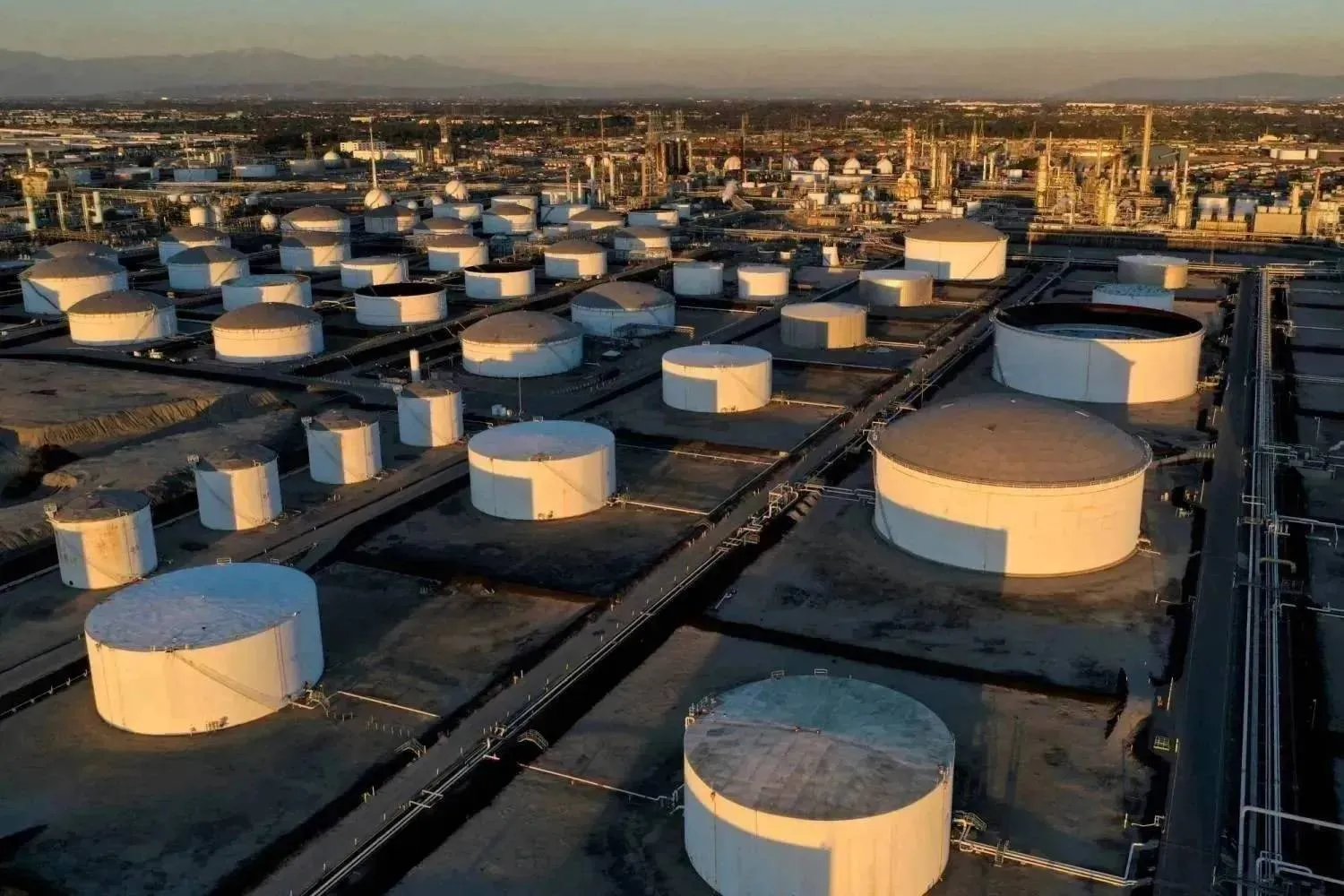
U.S. crude oil inventories declined more than analysts expected, according to the latest report from the Energy Information Administration.
Commercial crude stockpiles fell by 3.775 million barrels. Economists had forecast a smaller decline of 2.900 million barrels.
The larger-than-expected inventory draw may indicate stronger demand or tighter supply conditions in the U.S. oil market.
Inventory Draw Slows From the Previous Week
Despite exceeding market forecasts, the latest decline was smaller than the previous week’s draw of 6.088 million barrels.
This slowdown suggests that the pace of inventory depletion has moderated. However, crude stockpiles continued to fall, which may provide some underlying support for oil prices.
Traders will assess whether the change reflects shifts in refinery activity, fuel demand, imports or domestic production.
Why Crude Oil Inventory Data Matters
The EIA crude oil inventory report is closely monitored because it provides insight into the balance between supply and demand.
A larger-than-expected decline generally signals stronger consumption or tighter available supply. This can support crude oil prices.
By contrast, an unexpected inventory increase may point to weaker demand or excess supply, which can pressure the market.
Oil Market Sentiment May Improve
The latest inventory draw could strengthen short-term oil market sentiment because the decline exceeded expectations.
However, the smaller reduction compared with the previous week may limit the positive reaction.
Oil traders often respond quickly to inventory figures as they adjust their positions based on changing supply and demand conditions.
Traders Await More Oil Market Signals
Investors will now monitor additional indicators, including gasoline and distillate inventories, refinery utilization and U.S. crude production.
Geopolitical developments, global economic growth and changes in OPEC+ output policy could also influence the direction of crude oil prices.
The interaction between inventories, production and worldwide demand will remain an important driver of the oil market in the coming weeks.