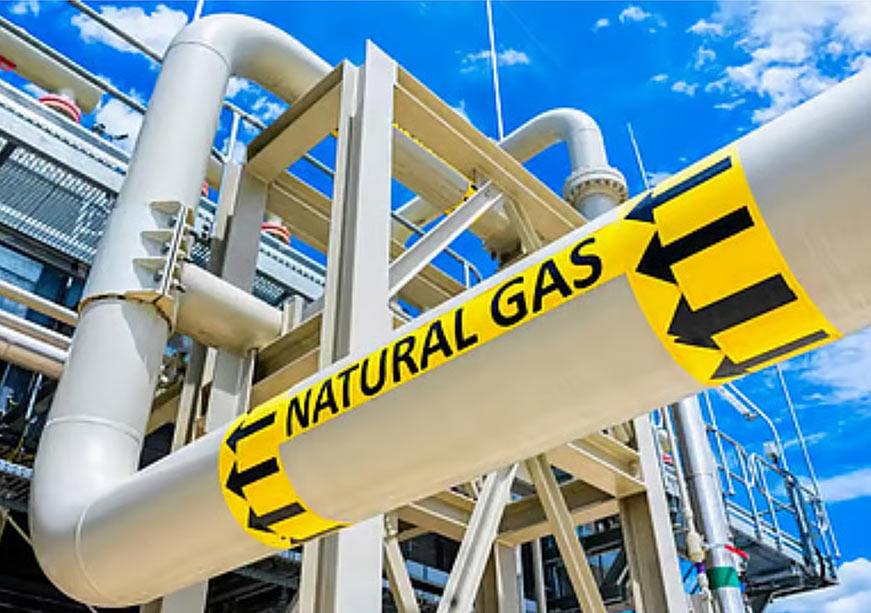
European natural gas prices moved higher on Tuesday. However, the market remained on course to record its first quarterly decline in more than a year.
The drop reflects falling global oil prices and the normalization of maritime traffic in the Middle East. These developments have reduced the geopolitical risk premium that previously pushed energy prices higher.
Dutch TTF Gas Prices Rise
The front-month Dutch TTF contract, Europe’s main natural gas benchmark, rose approximately 2% to €43.44 per megawatt-hour.
Despite the daily increase, the contract was heading for its first quarterly decline in six quarters.
Britain’s equivalent wholesale gas contract also gained around 2%, reaching 104.57 pence per therm. Nevertheless, it remained on track for its first quarterly loss in five quarters.
Strait of Hormuz Tensions Cause New Price Volatility
European natural gas prices recently experienced renewed volatility after attacks on commercial ships slowed traffic through the Strait of Hormuz.
The United States and Iran were expected to hold another round of talks in Doha on Tuesday. Investors are closely watching the negotiations for signs that regional tensions could ease further.
Any improvement in diplomatic relations could help stabilize shipping routes and reduce fears of supply disruptions.
Gas Prices Retreat From War-Driven Highs
The expected quarterly decline represents a major reversal from earlier in the period.
Intensifying military conflict involving Iran previously threatened global energy supply chains. As a result, European gas prices climbed to multi-month highs.
Traders added a significant risk premium to energy prices due to concerns that the conflict could disrupt exports from major Middle Eastern producers.
However, those fears have eased as shipping conditions have improved.
LNG Traffic Through the Strait of Hormuz Normalizes
The stabilization of maritime traffic through the Strait of Hormuz has played a central role in the price reversal.
The shipping route is one of the world’s most important energy corridors. Approximately one-fifth of global liquefied natural gas supplies pass through the strait.
Following a diplomatic ceasefire earlier in the month, shipping activity began to return to normal.
Delayed LNG tankers from major exporters, including Qatar and the United Arab Emirates, were able to resume their journeys toward international markets.
The improving flow of LNG supplies has reduced concerns about shortages in Europe and other importing regions.
Lower Oil Prices Reduce Support for European Gas
Falling crude oil prices have also placed pressure on European natural gas prices.
Global oil benchmarks have returned close to the levels seen before the escalation of the conflict. This has removed an important source of support for European electricity and gas markets.
Energy prices often influence one another. Therefore, lower crude oil prices can also weaken sentiment across natural gas and power markets.
The retreat in oil prices suggests that traders are removing much of the war-related premium previously included in energy contracts.
Low European Gas Storage Could Limit Further Losses
Although European natural gas prices are heading for a substantial quarterly decline, traders believe further losses may be limited.
Europe’s physical gas market remains tighter than usual, largely because regional storage levels are below historical averages.
European storage facilities are currently less than 48% full. This compares with approximately 56.2% during the same period last year.
Storage levels are also well below the five-year seasonal injection average of around 61%.
European Gas Market Faces an Uncertain Outlook
Lower geopolitical risks and improving LNG shipments could continue to weigh on European natural gas prices.
However, weak storage levels may prevent prices from falling too sharply. Europe still needs to rebuild its gas reserves ahead of the winter heating season.
As a result, the market may remain volatile as traders balance improving global supply conditions against Europe’s tighter storage situation.