China’s manufacturing activity expanded slightly more than expected in June, supported by strong export demand and continued spending linked to artificial intelligence.
However, growth remained modest. Weak domestic demand and cautious consumer spending continued to limit the pace of expansion.
Official Manufacturing PMI Rises to 50.3
China’s official manufacturing Purchasing Managers’ Index increased to 50.3 in June, according to government data released on Tuesday.
The result was slightly above the market forecast of 50.2 and improved from 50.0 in May.
A reading above 50 indicates expansion, while a figure below 50 signals contraction.
Although the index remained in growth territory, the narrow margin showed that factory activity was only expanding gradually.
Export Demand Supports Factory Activity
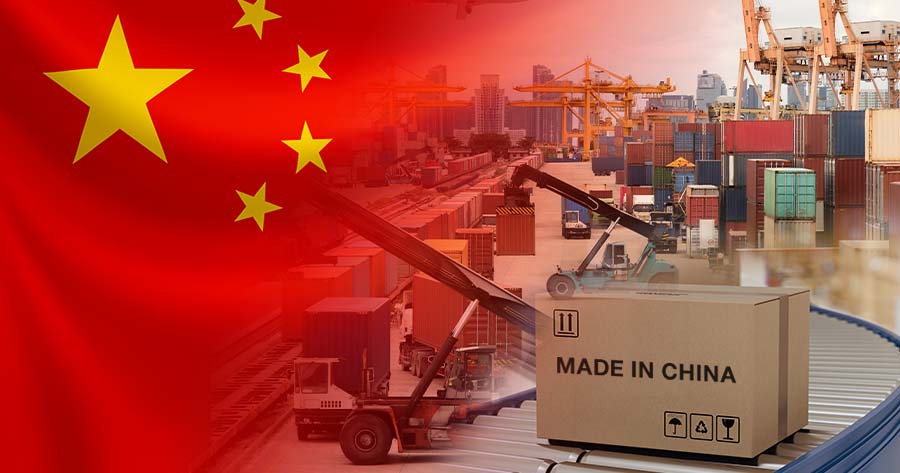
Strong overseas demand provided the main boost to China’s manufacturing sector.
International buyers brought orders forward because of uncertainty surrounding the Middle East conflict and oil prices.
However, this support could weaken in the coming months. The United States and Iran have reached a peace agreement, while oil prices have returned to levels seen before the conflict.
As those risks ease, overseas companies may have less reason to accelerate their purchases.
China Manufacturing Still Faces Deflation Risks
Capital Economics analysts said the strongest improvement came from export orders.
This suggests that international demand remains the main driver of China’s manufacturing growth.
However, the analysts warned that the sector still appeared to be moving toward renewed deflationary pressure.
Falling prices can reduce company revenues and discourage investment, especially when domestic demand remains weak.
Non-Manufacturing PMI Also Improves
China’s official non-manufacturing PMI rose to 50.2 in June.
The result exceeded expectations of 49.9 and improved slightly from 50.1 in May.
The data showed modest growth across the services and construction sectors.
However, overall demand remained subdued, indicating that the recovery outside manufacturing was also limited.
Composite PMI Records Small Increase
China’s composite PMI, which combines manufacturing and non-manufacturing activity, increased to 50.6 in June from 50.5 in May.
The reading suggested that overall business activity continued to expand, although momentum remained weak.
China’s Economic Growth May Slow
ING analysts said the PMI figures were stronger than expected.
Even so, they continued to forecast slower economic growth during the second quarter.
Weak household spending, soft domestic demand and deflationary pressures remain important challenges for the Chinese economy.
Beijing Could Introduce More Stimulus
A slowdown in economic activity could encourage Beijing to announce additional stimulus measures.
Policymakers may consider further support for consumer spending, manufacturing investment and the property sector.
The latest PMI data suggests that China’s economy is still growing, but the recovery remains heavily dependent on exports and government support.