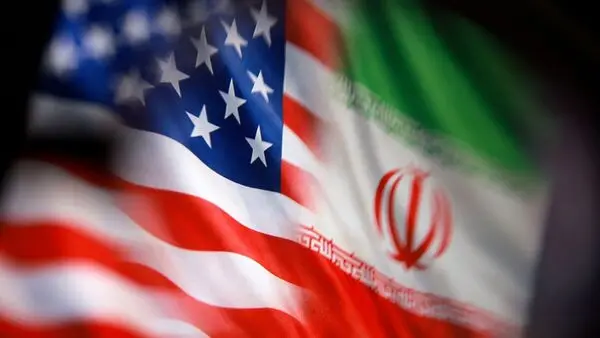
Trump Says Iran Requested US Talks in Qatar
Iran has requested a meeting with the United States in Doha, Qatar, according to President Donald Trump.
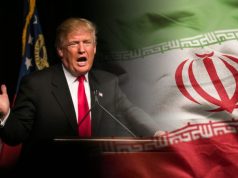
Trump announced the development in a social media post on Monday. His statement came shortly after reports suggested that Washington and Tehran had agreed to stop exchanging strikes near the Strait of Hormuz.
Trump Envoys Expected to Attend Doha Talks
Trump did not provide further details about the proposed meeting.
However, White House Press Secretary Karoline Leavitt said senior Trump envoys Steve Witkoff and Jared Kushner would represent the United States at the talks.
The meeting could mark another attempt to stabilize relations between the two countries following renewed military activity in the region.
Iran Has Not Officially Confirmed the Meeting
Despite Trump’s announcement, uncertainty remains over whether the discussions will take place this week.
The New York Times reported that Iran had not formally confirmed the meeting, citing a U.S. official.
However, Tehran was reportedly consulting with the Qatari government about the proposed negotiations.
Qatar has frequently served as an intermediary in sensitive regional diplomatic talks.
US Reportedly Offered Talks in Doha
The Wall Street Journal previously reported that the United States had offered to meet Iranian representatives in Doha.
The exact details of the summit have not yet been finalized. However, the talks could reportedly begin as early as Tuesday.
Axios was the first news organization to report that the United States and Iran had reached an agreement to stop fighting and restart diplomatic discussions.
Reported Deal Could Halt Hormuz Strikes
The proposed talks followed reports that both countries had agreed to stop their latest exchange of attacks near the Strait of Hormuz.
Such an agreement could allow commercial vessels to move more freely through the waterway.
The Strait of Hormuz is one of the world’s most important energy routes. Approximately one-fifth of global oil and liquefied natural gas supplies pass through the area.
Any disruption can quickly affect oil prices, shipping costs and global inflation expectations.
Recent Clashes Threatened Fragile Ceasefire
Renewed fighting last week raised concerns that a two-week-old ceasefire could collapse.
The earlier truce had allowed some shipping activity to resume near Iran’s southern coast.
However, the latest attacks again increased fears of a wider regional conflict and possible restrictions on energy transportation.
A new diplomatic agreement could ease those concerns, although investors are likely to remain cautious until both sides officially confirm the terms.
US Blames Iran for Vessel Attacks
U.S. officials have accused Iran of launching attacks against ships in the Strait of Hormuz in recent days.
Iran has not claimed responsibility for those incidents, according to The New York Times.
Tehran has maintained strict controls over the waterway since the Middle East conflict began in late February.
Iranian authorities have also demanded that ships using the strait follow routes designated by Tehran.
Iran Claims Retaliatory Strikes
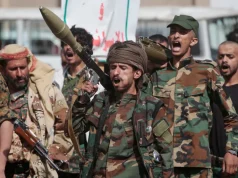
Iran’s Islamic Revolutionary Guards Corps said on Sunday that it had launched attacks in response to earlier U.S. military action.
The group claimed to have targeted a U.S. naval facility in Bahrain and an air base in Kuwait.
A U.S. official said Iranian drones and missiles were intercepted or destroyed before reaching their targets.
The exchange highlighted how quickly the situation could escalate despite ongoing diplomatic efforts.
Oil Prices Rise but Remain Near Pre-War Levels
Oil prices moved higher on Monday as traders reacted to the renewed conflict.
However, crude remained close to levels recorded before the war following a sharp decline during the previous week.
Reports of a possible ceasefire and new talks in Qatar limited the increase in oil prices.
A lasting agreement could reduce the geopolitical risk premium in energy markets. In contrast, another breakdown in negotiations could renew fears of supply disruptions through the Strait of Hormuz.
Markets Await Confirmation of US-Iran Talks
Investors are now waiting for official confirmation from Iran and further details from the White House.
The timing, participants and agenda of the proposed Doha meeting remain unclear.
Nevertheless, the reported request for talks may signal that both countries are seeking to prevent the latest clashes from developing into a broader conflict.
The outcome could have major consequences for Middle East stability, global oil supplies and financial markets.