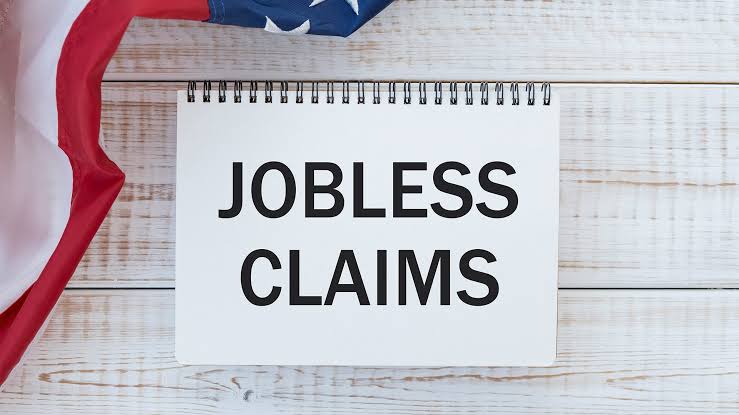
The number of Americans applying for unemployment benefits declined more than anticipated last week, pointing to continued resilience in the US labor market.
Initial jobless claims fell by 12,000 to a seasonally adjusted 215,000 for the week ending June 20, according to the Labor Department.
Economists had expected claims to reach 225,000.
Juneteenth Holiday May Have Influenced the Data
The reporting period included the Juneteenth public holiday, which may have contributed to the sharper-than-expected decline in unemployment claims.
Jobless claims can also become more volatile between late May and June as the school year ends. Some states allow non-teaching school employees to apply for unemployment benefits during the summer holidays.
Government seasonal adjustment models do not always fully capture these temporary movements. As a result, weekly figures during this period may provide a less accurate picture of underlying labor market conditions.
US Labor Market Remains Resilient
Initial jobless claims have remained near the upper end of their 190,000-to-230,000 range this year.
However, the latest data does not indicate a significant deterioration in the labor market. Employment conditions have stabilized after showing signs of weakness last year.
Employers have also avoided widespread layoffs despite rising business costs linked to the conflict with Iran.
Nevertheless, many companies remain cautious about hiring new workers.
Continuing Jobless Claims Increase
Continuing jobless claims, which measure the number of people receiving benefits after their first week of assistance, increased by 21,000.
The figure reached a seasonally adjusted 1.821 million for the week ending June 13.
Continuing claims are often viewed as an indicator of hiring conditions. An increase may suggest that unemployed workers are taking longer to find new positions.
The latest report covered the same period used by the government to calculate the June unemployment rate.
US Unemployment Rate Holds at 4.3%
The US unemployment rate has remained at 4.3% for three consecutive months.
Although layoffs remain limited, weak hiring has made it difficult for many unemployed Americans to return to work. As a result, some workers are experiencing longer periods without employment.
Recent college graduates are also struggling to secure entry-level jobs. Analysts have partly linked this trend to companies using artificial intelligence to perform tasks previously assigned to junior employees.
Duration of Unemployment Reaches Multi-Year High
The median duration of unemployment rose to 11.6 weeks in May, up from 11 weeks in April.
This marked the longest average period of unemployment since November 2021.
The increase highlights a growing divide within the labor market. While most employees are keeping their jobs, people who become unemployed are finding it increasingly difficult to secure new positions.