European stocks fell to their lowest level in more than a week on Tuesday as a global technology selloff and concerns about prolonged high interest rates reduced investors’ appetite for risk.
Optimism surrounding the US-Iran peace agreement faded quickly as markets focused on inflation risks and the possibility of further monetary policy tightening.
European Stock Markets Move Lower
The pan-European STOXX 600 declined by 1% to its lowest level in over a week.
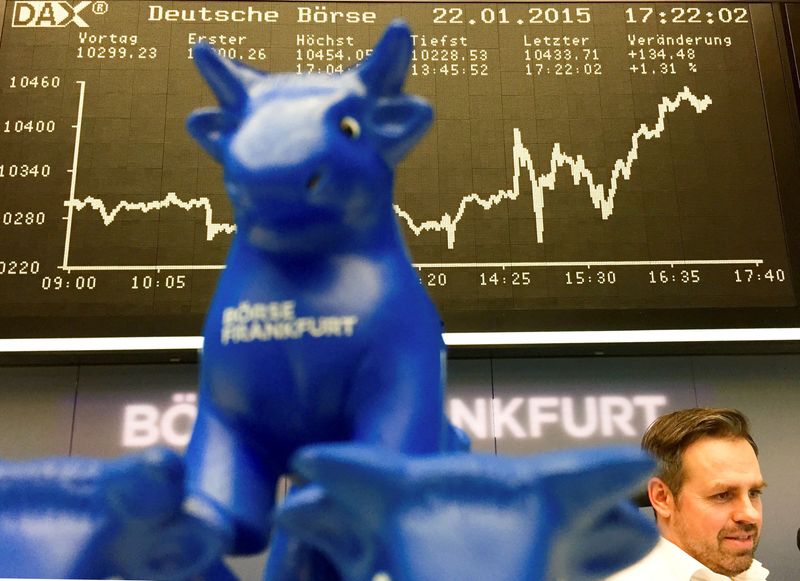
Germany’s DAX fell by 1.3%, while France’s CAC 40 dropped by 0.8%. Italy’s FTSE MIB recorded a larger loss of 1.2%.
London’s FTSE 100 declined by around 0.4% as investors continued assessing the political consequences of Prime Minister Keir Starmer’s resignation.
However, analysts said the relatively modest market reaction suggested that investors were comfortable with Andy Burnham’s position as the leading candidate to succeed him.
Technology Selloff Pressures European Stocks
Technology shares were among the worst performers in Europe following heavy losses across Asian and US markets.
ASML shares fell by more than 5%, extending the broader decline across semiconductor and artificial intelligence-related stocks.
The global technology sector has come under pressure as investors lock in profits following strong gains and reconsider elevated valuations.
Interest Rate Concerns Overshadow Iran Peace Deal
European equities have gradually retreated from record highs as investor attention shifted away from peace developments in the Middle East.
Markets are now focusing on the inflationary consequences of the three-month conflict, particularly the impact of higher energy and commodity prices on consumer costs.
The main question is how much inflation has already entered the economy and whether central banks will need to raise interest rates further.
ECB Rate Hike Expectations Increase
The European Central Bank has raised interest rates once this year, and markets are preparing for another possible increase during the second half of 2026.
These concerns come as eurozone private-sector activity contracted for a third consecutive month, according to Purchasing Managers’ Index data.
The combination of weaker business activity and persistent inflation creates a difficult policy environment for the ECB.
Lagarde Plays Down Wider Inflation Risks
ECB President Christine Lagarde described the latest inflation shock as significant but not yet strong enough to change long-term inflation expectations.
She said there was no evidence that expectations had become unanchored or that second-round effects were developing across wages and prices.
Her comments suggested that the central bank may not need to deliver a more aggressive policy response unless inflation pressures continue to broaden.
Federal Reserve Tightening Fears Return
Initial optimism over the US-Iran peace deal was quickly replaced by concerns about the Federal Reserve’s increasingly hawkish position.
Investors are reassessing the outlook for US monetary policy as officials signal that interest rates could remain elevated for longer.
According to the CME FedWatch tool, markets are now pricing in two Federal Reserve rate increases. Two weeks earlier, traders had expected only one.
The shift in expectations has placed pressure on global stocks, particularly technology companies and other rate-sensitive assets.
European Earnings Season Becomes the Next Catalyst
Investors are now looking toward the upcoming European corporate earnings season for the next major market catalyst.
Analysts warned that stocks could remain within a limited trading range until companies begin reporting their latest financial results.
Corporate earnings and guidance will help investors determine whether current valuations remain justified after European indexes recently reached record levels.
Heineken Rises After CEO Appointment
Among individual stocks, Heineken shares gained nearly 3% after the company appointed Rafa Oliveira as its new chief executive.
The announcement provided support to the brewer’s shares during an otherwise negative session for European markets.
Volkswagen Falls Following Citi Downgrade
Volkswagen shares declined by approximately 2.5% after Citi lowered its financial forecasts for the automaker.
The bank also reduced its price target for Volkswagen, adding pressure to the company’s stock.