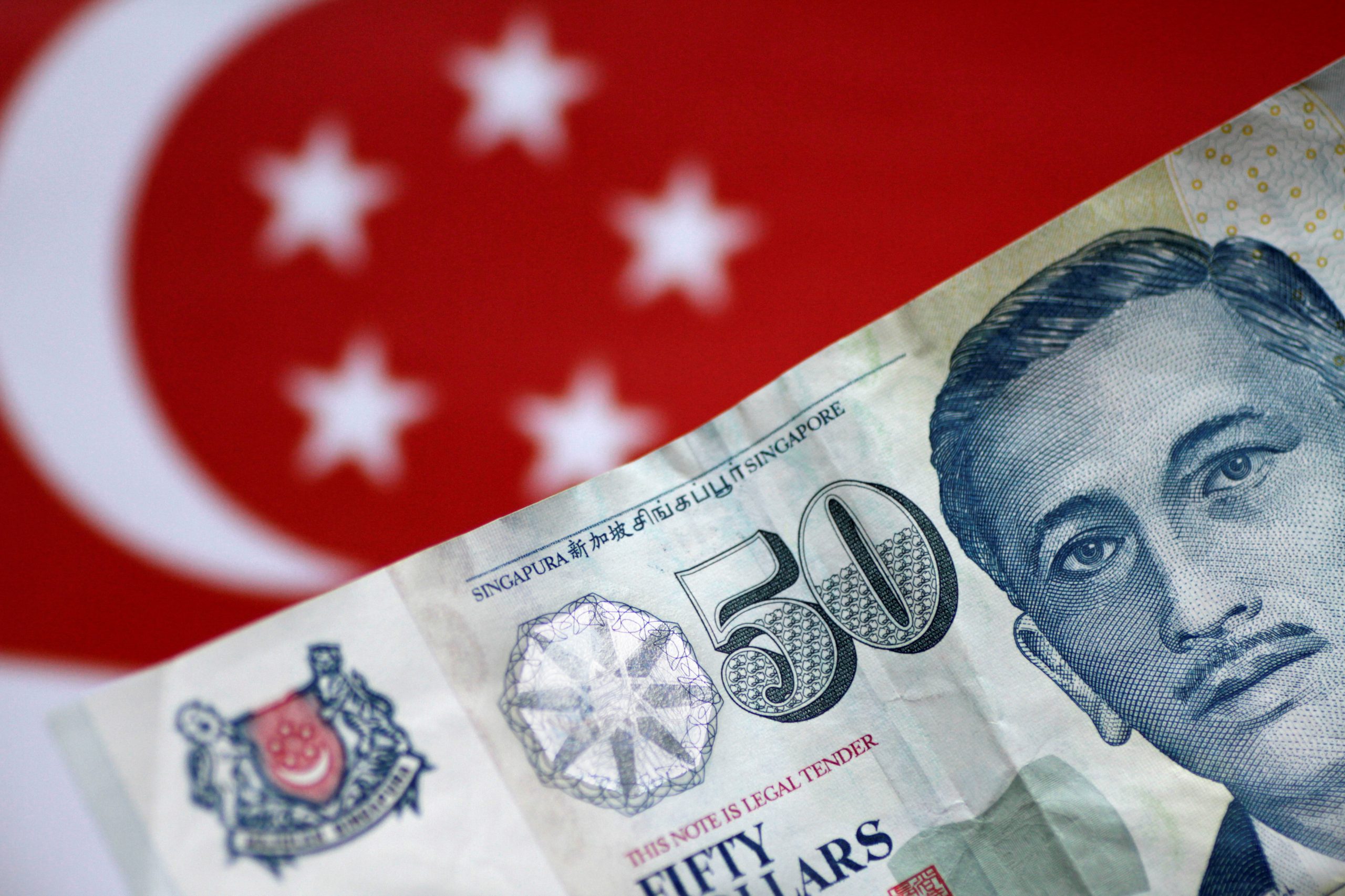
Singapore’s consumer price inflation remained moderate in May, as both headline and core inflation came in below market expectations. Lower services costs helped offset increases in food, accommodation and private transport prices.
Singapore Headline Inflation Holds at 1.8%
Singapore’s headline Consumer Price Index inflation remained unchanged at 1.8% year-on-year in May, according to official data released on Tuesday.
The figure was below market expectations of a 2% increase and matched the annual inflation rate recorded in April.
On a monthly basis, consumer prices increased by 0.7%. This reversed the 0.3% decline reported during the previous month.
Core Inflation Misses Market Forecasts
Core CPI inflation also remained stable at 1.4% year-on-year in May. The reading was lower than the expected 1.6% increase and unchanged from April.
Core inflation excludes accommodation and private transport expenses. Therefore, the Monetary Authority of Singapore closely monitors it as a measure of underlying domestic price pressures.
The latest data suggests that inflationary pressures across Singapore’s economy remained contained, despite forecasts for a modest acceleration.
Lower Services Costs Limit Inflation
Higher prices for food and retail goods were largely offset by weaker services inflation.
Services inflation slowed to 1.3% in May from 1.5% in April. A sharper decline in telecommunications service prices was one of the main factors behind the slowdown.
Meanwhile, food inflation increased to 1.8% from 1.6%. Accommodation inflation also edged higher to 0.5%, compared with 0.4% in April.
Private transport inflation accelerated more significantly, reaching 8.6% from 8.1% during the previous month.
Singapore Maintains 2026 Inflation Forecast
The Monetary Authority of Singapore and the Ministry of Trade and Industry maintained their inflation forecasts for 2026.
Both headline and core inflation are expected to average between 1.5% and 2.5% during the year.
However, officials warned that risks remain tilted to the upside. Elevated global energy prices and potential supply-chain disruptions could increase imported costs and push inflation higher.
Attention Turns to July Policy Review
The latest Singapore inflation data comes ahead of the central bank’s next monetary policy review in July.
Policymakers are widely expected to leave current policy settings unchanged. However, they will continue assessing domestic demand, global energy prices and imported inflation pressures before making their decision.