US-Iran Peace Talks Postponed in Switzerland
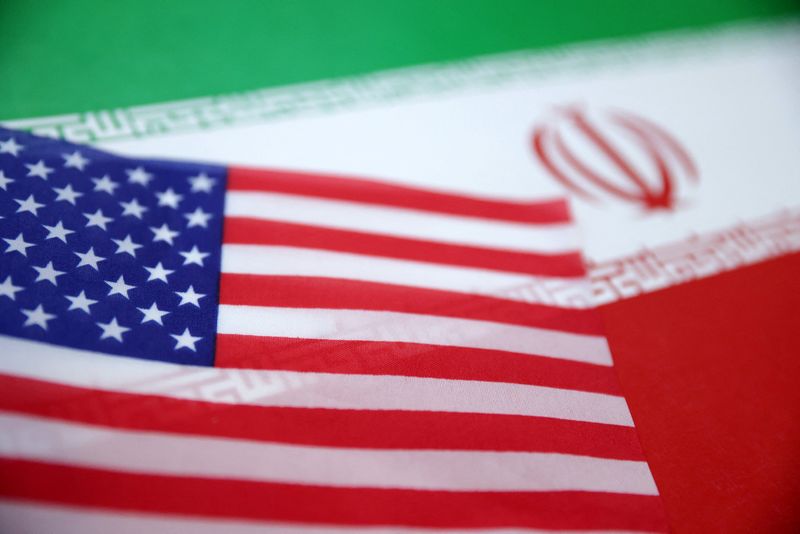
Peace talks between the United States and Iran that were scheduled for Friday have been postponed, according to Switzerland’s foreign ministry.
The announcement followed US Vice President JD Vance’s decision to cancel his planned visit to Geneva.
Swiss officials said the negotiations were due to take place at the Bürgenstock mountain resort. Although the meeting will no longer proceed as planned, Switzerland remains prepared to support future diplomatic discussions.
Nuclear Negotiations Face Fresh Delay
Vance was expected to meet Iranian representatives to discuss Tehran’s nuclear programme.
The planned meeting followed the implementation of a memorandum of understanding designed to end more than three months of conflict in the Middle East.
Washington and Tehran signed a 14-point interim agreement earlier this week. The deal called for an immediate halt to hostilities, the removal of sanctions on Iran and the reopening of the Strait of Hormuz.
It also created a 60-day window for additional negotiations over Iran’s nuclear ambitions.
US President Donald Trump has repeatedly said that he wants Iran’s nuclear capabilities eliminated. However, Tehran continues to insist that it has no intention of developing a nuclear weapon.
Iran Seeks Evidence of US Compliance
Iranian media reported that Tehran wanted stronger evidence that Washington was implementing the interim agreement before committing to another round of negotiations.
Continuing Israeli military action in Lebanon was also reportedly a major concern for Iran.
Israel was not involved in the US-Iran negotiations and has distanced itself from the peace agreement. It has also continued its campaign against Iran-backed Hezbollah forces in Lebanon.
The postponement of the Swiss talks has therefore raised fresh doubts about whether the interim US-Iran peace deal can remain in place.
JD Vance Criticises Israeli Opposition
Vance criticised Israel on Thursday and argued that President Trump remained one of the country’s strongest international supporters.
He also targeted Israeli figures who opposed the agreement with Iran and resisted efforts to reduce tensions with Hezbollah.
Trump separately told Axios that he viewed the agreement as equivalent to his previous demand for Iran’s unconditional surrender.
The US president said he approved the deal to prevent a wider economic crisis caused by the continuing Middle East conflict.
Strait of Hormuz Shipping Begins to Recover
The extended closure of the Strait of Hormuz had raised fears of a major energy shock.
The strategic waterway handled approximately one-fifth of global oil and liquefied natural gas supplies before the US-Israeli military campaign against Iran began in late February.
However, signs suggest that commercial traffic is gradually recovering. Maritime intelligence company Windward recorded 18 vessel transits between June 17 and June 18, the highest number during any comparable period since the conflict began.
Brent Oil Falls From Wartime Highs
Brent crude prices have fallen sharply from their wartime peaks as investors anticipate the return of additional oil supplies to international markets.
The global oil benchmark traded near $80 per barrel on Friday after briefly falling below that level earlier in the week. Before the conflict, Brent crude was trading at approximately $70 per barrel.
Markets have gradually removed much of the geopolitical risk premium that previously pushed oil prices sharply higher.
Central Banks Monitor Inflation Risks
Major central banks have warned that elevated energy prices could increase inflation and weaken global economic growth.
The European Central Bank and the Bank of Japan recently raised interest rates as they attempted to contain rising price pressures.
Meanwhile, the Federal Reserve and the Bank of England kept their benchmark rates unchanged. However, both central banks indicated that they were prepared to take further action if inflation continued to accelerate.
Laurence Booth, global head of markets at CMC Markets, said investors were entering the weekend in a very different position compared with several weeks earlier.
He noted that markets had reduced the geopolitical risk premium created during the height of the Iran crisis. Nevertheless, considerable uncertainty remained over how a lasting diplomatic settlement could be achieved.