Global Shippers Remain Cautious on Hormuz Despite US-Iran Deal
Shipping companies across Asia and Europe remain hesitant to resume operations through the Strait of Hormuz, despite a preliminary agreement between the United States and Iran.
Industry representatives warned that rebuilding confidence could take several weeks. Most operators are unlikely to return until authorities confirm that the strategic waterway is safe and free from major security threats.
US and Iran Prepare to Formalize Hormuz Agreement
American and Iranian officials are expected to sign a memorandum of understanding on Friday. The agreement aims to end the conflict and restore shipping access through the Strait of Hormuz.
Oil prices fell by approximately 5% on Monday following news of the proposed deal. However, the positive market reaction has not yet resulted in a significant increase in tanker traffic.
President Donald Trump said oil-loaded vessels had started leaving the strait through what he described as a safe southern shipping route.
Nevertheless, vessel-tracking information showed no meaningful rise in tanker crossings on Monday. Only one liquefied natural gas carrier was clearly visible passing through the area.
Tankers Remain Positioned Around the Strait
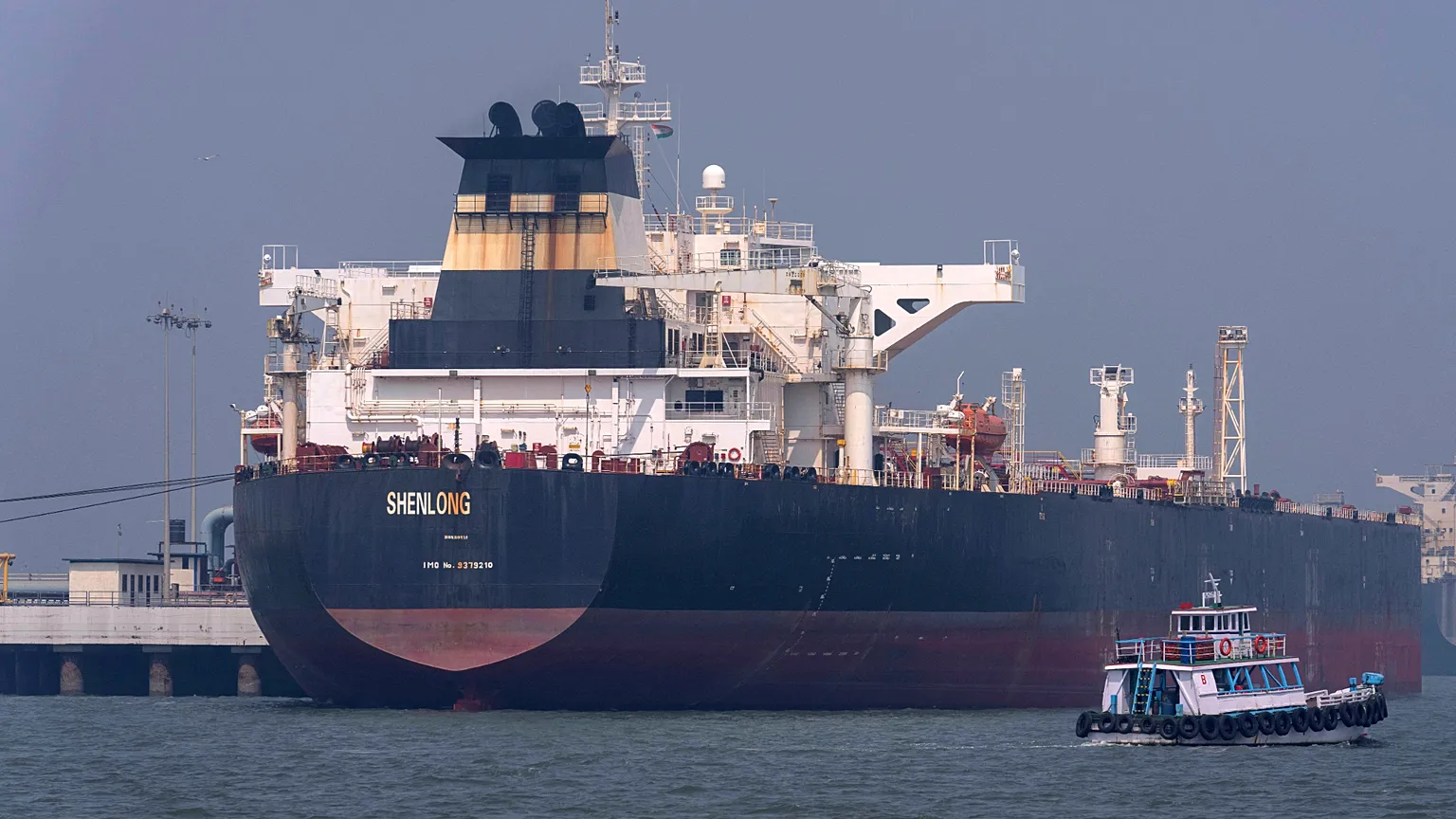
Tracking data showed dozens of tankers waiting on both sides of the Strait of Hormuz. However, these figures only include vessels actively transmitting their locations through the Automatic Identification System.
Some ships have reportedly transported oil close to Oman’s coastline in recent weeks while keeping their tracking systems switched off. These journeys were allegedly carried out with support from the US Navy.
Shipping companies have welcomed the diplomatic progress. Still, they are waiting for more information about security arrangements, insurance conditions and the removal of naval mines.
Jyske Bank analyst Haider Anjum noted that tracking data did not indicate a major movement of vessels toward Hormuz.
He added that shipping companies will probably wait to determine whether the agreement remains in place. Previous attempts to reopen the waterway lasted only briefly before conditions deteriorated again.
Conflict Disrupted a Critical Global Shipping Route
The conflict began on February 28 following US-Israeli strikes against Iran. Since then, commercial traffic through the Strait of Hormuz has declined sharply.
The waterway normally handles around one-fifth of global oil and liquefied natural gas supplies. It is also an important route for products such as aluminium and urea.
Although overall activity remains limited, India’s Petronet sent the LNG tanker Disha through the strait on Monday. According to data from Kpler and LSEG, it was the only clearly visible commercial shipment to complete the journey.
The vessel loaded its cargo at Qatar’s Ras Laffan terminal on March 1 and 2. It had remained west of the strait before beginning its journey toward India.
An Indian shipping ministry official said the tanker was expected to arrive at the Dahej terminal on June 18.
Mines Remain a Major Safety Concern
International shipping association BIMCO continues to classify the Strait of Hormuz as a high-risk transit area. Naval mines remain one of the industry’s greatest concerns.
BIMCO safety and security chief Jakob Larsen said shipowners need confirmation that crossing the waterway is both legally permitted and operationally safe.
Removing mines could take weeks. Shipowners must also receive reliable information about protected routes, naval support and emergency procedures before committing vessels to the area.
Shipping Groups Await Concrete Details
Italian shipowners’ association Assarmatori described the proposed agreement as encouraging. However, its president, Stefano Messina, stressed that earlier ceasefire announcements were not followed by meaningful action.
The Japanese Shipowners’ Association expressed a similar position. It welcomed the peace agreement but said operators require more detailed and reliable information before restarting voyages.
The association warned that shipping companies cannot immediately resume operations based only on the announcement of a deal.
Japan’s largest shipping company, Nippon Yusen, said it hoped normal operations would return quickly. Mitsui O.S.K. Lines also stated that it would not restart navigation until safety had been fully verified.
European Shipping Companies Remain Cautiously Optimistic
Germany’s VDR shipowners’ association said it was cautiously optimistic that the agreement could eventually reopen the strait.
Hapag-Lloyd expressed hope that vessels might be able to cross the waterway during the week. However, other European operators remain more reserved.
The Norwegian Shipowners’ Association said key details of the agreement were still unclear. Questions also remain about the rules governing transit and the number of mines placed in important shipping lanes.
Norwegian shipping group Wallenius Wilhelmsen said it was too early to assess the operational consequences. Tanker operator Frontline viewed the development positively but did not announce an immediate return to normal activity.
Danish shipping giant Maersk also welcomed the agreement. Nevertheless, the company said it was not making any changes to its Middle East operations at this stage.
Hundreds of Tankers Remain Inside the Gulf
Kpler estimated that approximately 155 oil and chemical tankers remained in the Gulf region as of June 15. That figure was lower than the 201 vessels recorded at the end of May.
Oil Brokerage produced a higher estimate of 215 tankers.
Anoop Singh, the company’s global head of shipping research, said unrestricted navigation could clear the congestion on both sides of the strait within eight to 10 days.
However, a full recovery is expected to take much longer.
Full Hormuz Traffic Recovery Could Take Until 2027
David Jorbenaze, global oil market leader at ICIS, said meaningful shipping activity would require extensive mine-clearing operations and a normalization of maritime insurance costs.
Insurance premiums are likely to remain high while the threat of renewed conflict, attacks or mine-related incidents continues.
Jorbenaze suggested that shipping volumes may not return to pre-conflict levels until 2027. Even that scenario would depend on the agreement remaining intact and regional energy production recovering without further disruption.
For now, the US-Iran deal represents an important diplomatic development. However, global shipping companies appear unwilling to treat the Strait of Hormuz as fully reopened until security conditions improve and the agreement proves durable.