Iran Announces End of Military Operations Against Israel as Peace Efforts Continue
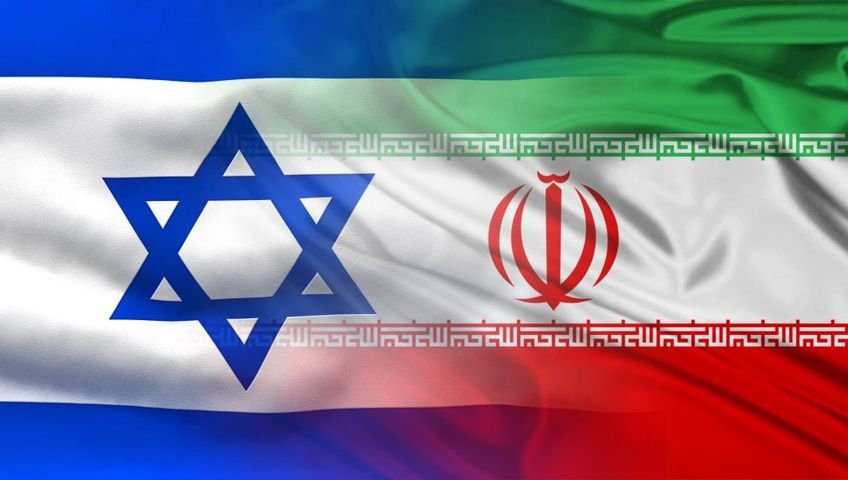
Iran’s armed forces have declared the conclusion of military operations against Israel, according to reports from the state-run Fars News Agency. The announcement comes amid renewed diplomatic efforts to prevent a broader regional conflict and revive negotiations between Tehran and Washington.
Financial markets reacted quickly to the development, with oil prices trimming some of their earlier gains as investors assessed the possibility of reduced geopolitical tensions in the Middle East.
Oil Prices Ease Following Iran’s Announcement
Following the reports, Brent crude oil futures gave back part of their earlier advance, though prices remained elevated. Brent crude was last trading around $94.42 per barrel, up approximately 1.4% on the day.
The easing in oil prices reflected hopes that a further escalation between Iran and Israel could be avoided, reducing immediate concerns about potential disruptions to global energy supplies.
Trump Calls for Immediate End to Hostilities
U.S. President Donald Trump has repeatedly urged both Israel and Iran to stop military action and avoid undermining ongoing diplomatic efforts.
In a social media post, Trump stated that both countries should immediately stop exchanging attacks, emphasizing the need to prevent a wider conflict.
The latest exchange marked the first direct military confrontation between Iran and Israel since a fragile U.S.-brokered ceasefire took effect in April.
Despite the renewed violence, Trump maintained that both sides remain interested in pursuing an immediate ceasefire and that peace negotiations are still progressing.
How the Latest Escalation Unfolded
According to media reports, the latest round of hostilities began after an Israeli strike targeted areas near Beirut, Lebanon.
Israel has continued its conflict with the Iran-backed Hezbollah organization, although recent fighting had largely remained limited in scope. Tehran subsequently launched retaliatory attacks, prompting further Israeli military operations targeting sites in central and western Iran.
On Monday, Israeli authorities reported new missile alerts linked to Iran and confirmed the interception of a ballistic missile launched from Yemen.
At the same time, Iran’s Islamic Revolutionary Guard Corps claimed responsibility for attacks on airbases located in southern Israel.
Explosions Reported Across Iran
Separate reports from Iranian media indicated explosions in several major cities, including Tehran, Tabriz, and Isfahan.
The incidents underscored the continued volatility in the region despite announcements suggesting that military operations may be winding down.
Investors and policymakers continue to monitor developments closely as the situation remains fluid.
Trump Says Iran Deal Is Within Reach
Despite recent military exchanges, Trump expressed confidence that diplomatic negotiations with Iran remain close to producing an agreement.
According to the president, discussions surrounding a broader peace framework are nearing completion, although he acknowledged that recent events have complicated the process.
Trump reportedly contacted Israeli Prime Minister Benjamin Netanyahu and urged restraint, warning that further retaliation could prolong the conflict and jeopardize ongoing negotiations.
“We’re very close to a final deal with Iran,” Trump said, adding that additional military action could undermine months of diplomatic efforts.
Key Obstacles Remain in Negotiations
Several significant issues continue to divide Washington and Tehran.
Iran’s nuclear program remains one of the primary sticking points, with Tehran resisting U.S. demands regarding its enriched uranium stockpiles.
Iran has also sought sanctions relief and the release of overseas assets currently frozen by the United States.
Meanwhile, tensions remain high around the Strait of Hormuz, one of the world’s most important energy shipping routes, through which roughly 20% of global oil supplies pass.
The United States has maintained restrictions on Iranian ports, while Tehran continues to exert influence over maritime traffic in the region.
Outlook
While Iran’s announcement has raised hopes for de-escalation, uncertainty remains high across the Middle East. Ongoing military activity, unresolved nuclear negotiations, and tensions surrounding the Strait of Hormuz continue to pose risks to regional stability and global energy markets.
Investors will now closely watch whether diplomatic efforts can translate into a lasting ceasefire and a broader agreement between the United States and Iran.