U.S. Dollar Eases as Reports Suggest Iran Has Ended Military Operations Against Israel
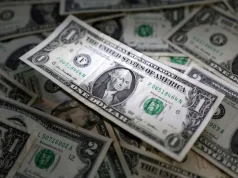
The U.S. dollar edged lower on Monday after reports emerged that Iran had concluded its military operations against Israel, encouraging investors to rotate away from traditional safe-haven assets and into risk-sensitive currencies.
The U.S. Dollar Index (DXY), which measures the greenback against a basket of major currencies, slipped 0.1% to 99.93 during morning trading. Meanwhile, the euro strengthened 0.2% against the dollar to $1.1542, while the British pound gained 0.1% to trade at $1.3354.
Iran-Israel Developments Boost Market Sentiment
According to Iran’s state-run Fars news agency, the country’s armed forces have announced the conclusion of their military operations against Israel.
The development follows calls from U.S. President Donald Trump urging both Israel and Iran to halt renewed attacks after escalating tensions over the weekend raised concerns that prospects for a peace agreement between Washington and Tehran were deteriorating.
The report helped improve overall market sentiment and reduced some of the demand for safe-haven assets, including the U.S. dollar.
Oil Prices Remain Elevated Despite Pullback
Energy markets also reacted to the latest geopolitical developments.
Brent crude oil futures trimmed earlier gains but remained higher by approximately 1.7%, trading near $94.71 per barrel. While prices have retreated from recent highs above $100 per barrel, they remain significantly above levels seen before the conflict began.
Investors continue to closely monitor developments surrounding the Strait of Hormuz, one of the world’s most important energy shipping routes.
Concerns remain that any prolonged disruption to traffic through the strategic waterway could keep oil prices elevated, fuel inflationary pressures, and force central banks to maintain restrictive monetary policies for longer than previously expected.
Dollar Still Supported by Stronger Economic Outlook
Despite Monday’s decline, the U.S. dollar has generally strengthened since the conflict began in late February.
Part of that resilience has been driven by expectations that the United States, as a major energy producer and exporter, may be better positioned than many other economies to withstand an oil price shock linked to tensions in the Middle East.
This perception has continued to provide underlying support for the greenback during periods of heightened geopolitical uncertainty.
Strong U.S. Jobs Data Reinforces Fed Expectations
Currency traders are also assessing the latest U.S. economic data.
Last week’s employment report showed that the U.S. economy added 172,000 jobs in May, significantly exceeding market expectations and reinforcing confidence in the strength of the labor market.
The stronger-than-expected data has increased market expectations that the Federal Reserve could maintain higher interest rates for longer or potentially deliver additional tightening if inflation remains persistent.
As a result, investors have raised the probability of another interest rate hike before the end of 2026.
Analysts See Continued Support for the Dollar
Analysts at ING noted that the dollar continues to benefit from several supportive factors.
According to the bank, a flattening U.S. yield curve driven by expectations of Federal Reserve tightening, combined with recent weakness in technology stocks and broader risk assets, has helped sustain demand for the U.S. currency.
These factors continue to offset some of the pressure generated by improving geopolitical sentiment.
Yen Approaches Critical Intervention Level
In Asia, market participants are closely monitoring the Japanese yen.
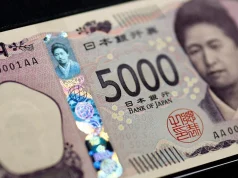
The USD/JPY pair traded just below the psychologically important 160 level, an area that has previously triggered intervention by Japanese authorities seeking to stabilize the currency.
Any further weakness in the yen could increase speculation that policymakers may once again step into the foreign exchange market.
Outlook
While reports of easing tensions between Iran and Israel provided temporary relief for global markets, investors remain focused on the broader macroeconomic picture. Strong U.S. economic data, elevated oil prices, and expectations for tighter monetary policy continue to support the dollar, even as geopolitical risks show signs of moderating.