Gold Prices Rebound as Falling Oil Eases Inflation and Interest Rate Concerns
Gold prices moved higher on Tuesday, recovering from recent losses as declining oil prices helped ease concerns about a potential surge in inflation and the prospect of additional central bank interest rate hikes.
The rebound came after investors reassessed the impact of Middle East tensions on global energy markets, leading to renewed demand for the precious metal.
Gold Recovers After Sharp Decline
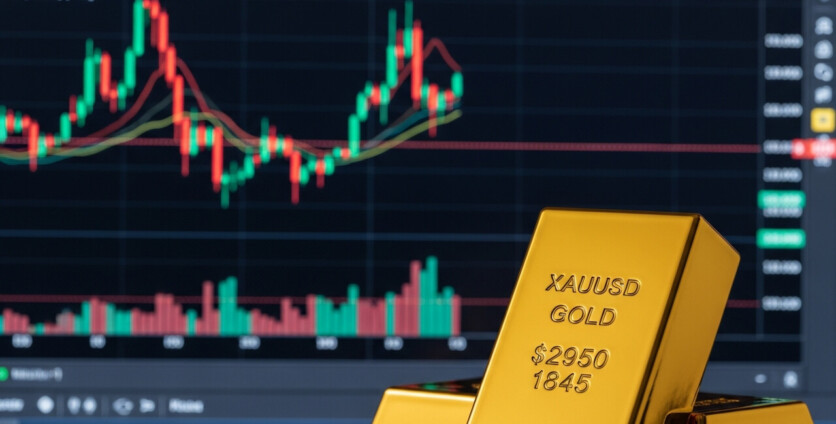
Spot gold rose 0.6% to $4,513.10 per ounce, while gold futures climbed 0.8% to $4,542.45 per ounce during Tuesday trading.
The gains followed a sharp selloff in the previous session, when reports suggested that Iran had suspended indirect communications with the United States in response to escalating Israeli military activity targeting Iran-backed Hezbollah forces in Lebanon.
Those developments fueled concerns that tensions in the Middle East could intensify and prolong disruptions to global energy supplies.
Oil Market Concerns Drive Inflation Fears
Investors have been closely monitoring the Strait of Hormuz, one of the world’s most important oil transit routes.
A prolonged disruption to shipping through the strait could significantly impact global energy markets, as roughly one-fifth of the world’s oil supply passes through the waterway.
Market participants fear that extended restrictions could trigger a fresh wave of energy-driven inflation, forcing central banks to maintain tighter monetary policies for longer.
Such a scenario would generally be viewed as negative for non-yielding assets such as gold.
Falling Oil Prices Offer Relief
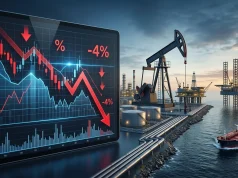
Despite ongoing geopolitical uncertainty, Brent crude oil prices retreated on Tuesday after posting strong gains during the previous session.
The decline in oil prices helped calm some inflation concerns and provided support for gold prices by reducing fears that central banks would need to aggressively raise interest rates.
Lower interest rate expectations tend to benefit gold because the precious metal does not generate income and becomes more attractive when bond yields and cash returns decline.
Analysts See Divergence Between Gold and Oil
Analysts at Deutsche Bank noted that gold has recently diverged from oil price movements.
According to the bank, gold prices are increasingly being influenced by a broader range of inflation concerns, rising real interest rates, and macroeconomic factors beyond energy markets alone.
This suggests that investors continue to view gold as both an inflation hedge and a defensive asset amid growing geopolitical uncertainty.
Uncertainty Surrounds U.S.-Iran Negotiations
Markets remain focused on diplomatic efforts between the United States and Iran.
Lebanon recently announced a limited ceasefire between Israel and Hezbollah, although reports indicate that military activity has not completely stopped.
Israeli officials reported intercepting projectiles launched from Lebanon, highlighting the fragile nature of the truce.
The conflict in Lebanon has become an increasingly important issue within broader negotiations between Washington and Tehran.
Trump Signals Optimism for a Deal
U.S. President Donald Trump expressed optimism that a wider agreement with Iran could be reached soon.
Speaking on Monday, Trump suggested that a deal capable of extending the current ceasefire and reopening the Strait of Hormuz could potentially be finalized within the coming week.
The president acknowledged that negotiations had encountered recent setbacks but indicated that discussions may still be progressing.
However, officials have not provided clear confirmation that formal negotiations between the United States and Iran have fully resumed.
Investors Watch Geopolitical Risks Closely
With uncertainty surrounding both Middle East diplomacy and global energy markets, investors remain cautious.
Gold continues to attract attention as a traditional safe-haven asset, while traders monitor developments involving Iran, Israel, Hezbollah, and the Strait of Hormuz for clues about future market direction.
For now, easing oil prices have provided short-term support for gold, but ongoing geopolitical risks are likely to remain a major driver of precious metal prices in the weeks ahead.