South Korea Inflation Climbs to Two-Year High as Rate Hike Expectations Grow
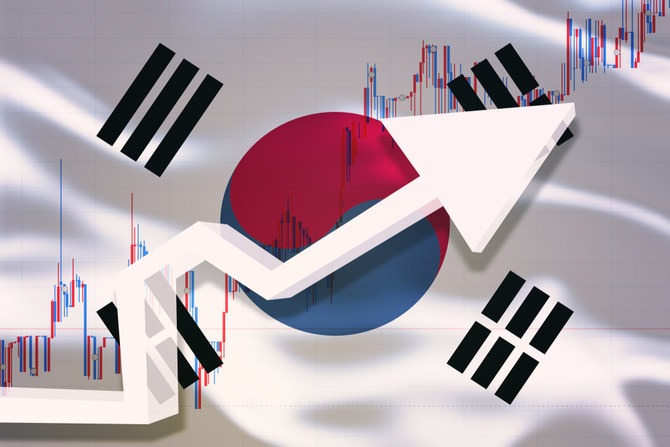
South Korea’s inflation rate accelerated sharply in May, reaching its highest level in more than two years and strengthening expectations that the country’s central bank could raise interest rates as soon as next month.
According to data released Tuesday by the Ministry of Data and Statistics, the Consumer Price Index (CPI) increased 3.1% year-over-year, up from 2.6% in April. The reading exceeded economists’ expectations of a 3.0% increase and marked the strongest inflation growth since March 2024.
The latest figures highlight the growing impact of higher energy costs and geopolitical tensions on consumer prices.
Oil Prices and Travel Costs Drive Inflation Higher
A major contributor to the inflation surge was the sharp rise in energy-related costs.
Petroleum product prices jumped 24.2% compared to a year earlier, reflecting the impact of elevated oil prices caused by ongoing tensions in the Middle East.
At the same time, international airfare prices surged 33.5%, adding further upward pressure on consumer spending and inflation.
The combination of higher fuel and transportation costs has increased concerns that inflation could remain elevated for longer than previously anticipated.
Bank of Korea Warns Inflation May Stay Elevated
Following the release of the data, the Bank of Korea acknowledged that inflation is likely to remain near the 3% level in the near term.
The central bank noted that higher oil prices are beginning to spill over into other sectors of the economy, creating broader inflationary pressures.
Officials pledged to closely monitor inflation developments as they assess future monetary policy decisions.
Last week, the Bank of Korea already signaled a more restrictive policy stance by raising its inflation forecast for 2026 to 2.7%, up from a previous estimate of 2.2%.
The central bank’s next policy meeting is scheduled for July 16.
Economists Expect Interest Rate Increase in July
Many analysts now believe a rate hike at the upcoming July meeting is increasingly likely.
Park Sang-hyun, economist at iM Securities, stated that inflation trends will largely depend on developments surrounding the conflict involving Iran.
According to Park, inflation could rise into the mid-3% range if geopolitical tensions persist and energy prices continue climbing.
He also indicated that a July interest rate increase appears highly probable, although the number of additional hikes later this year will depend on future inflation data and the evolution of the conflict in the Middle East.
Geopolitical Tensions Remain a Key Risk
Inflation concerns have intensified amid ongoing instability across the Middle East.
Although Lebanon announced a partial ceasefire between Hezbollah and Israel on Monday, broader tensions involving Iran continue to create uncertainty in global energy markets.
Investors remain concerned that prolonged conflict could push oil prices even higher, further increasing inflationary pressures across Asia and other regions.
Bond Yields Rise as Markets Price in Tightening
Financial markets reacted quickly to the stronger-than-expected inflation report.
South Korea’s policy-sensitive treasury bond yield climbed six basis points to 3.847%, its highest level since November 2023.
The move reflected growing expectations that the Bank of Korea will tighten monetary policy in response to persistent inflation pressures.
Core Inflation Also Accelerates
Underlying inflation trends showed additional signs of strength.
Core inflation, which excludes volatile food and energy prices, accelerated to 2.5% in May from 2.2% in April. This represented the fastest pace of core price growth since February 2024.
Meanwhile, consumer prices rose 0.5% on a monthly basis, matching April’s increase but exceeding economists’ forecasts for a 0.3% rise.
Fuel Price Caps Helped Limit Inflation
South Korea’s finance ministry noted that inflation would have been significantly higher without government intervention.
Officials estimated that annual inflation would have reached approximately 3.7% in May if nationwide fuel price caps had not been introduced earlier this year.
As inflation continues to accelerate and energy costs remain elevated, investors will closely watch the Bank of Korea’s July meeting for signals on the future path of interest rates.