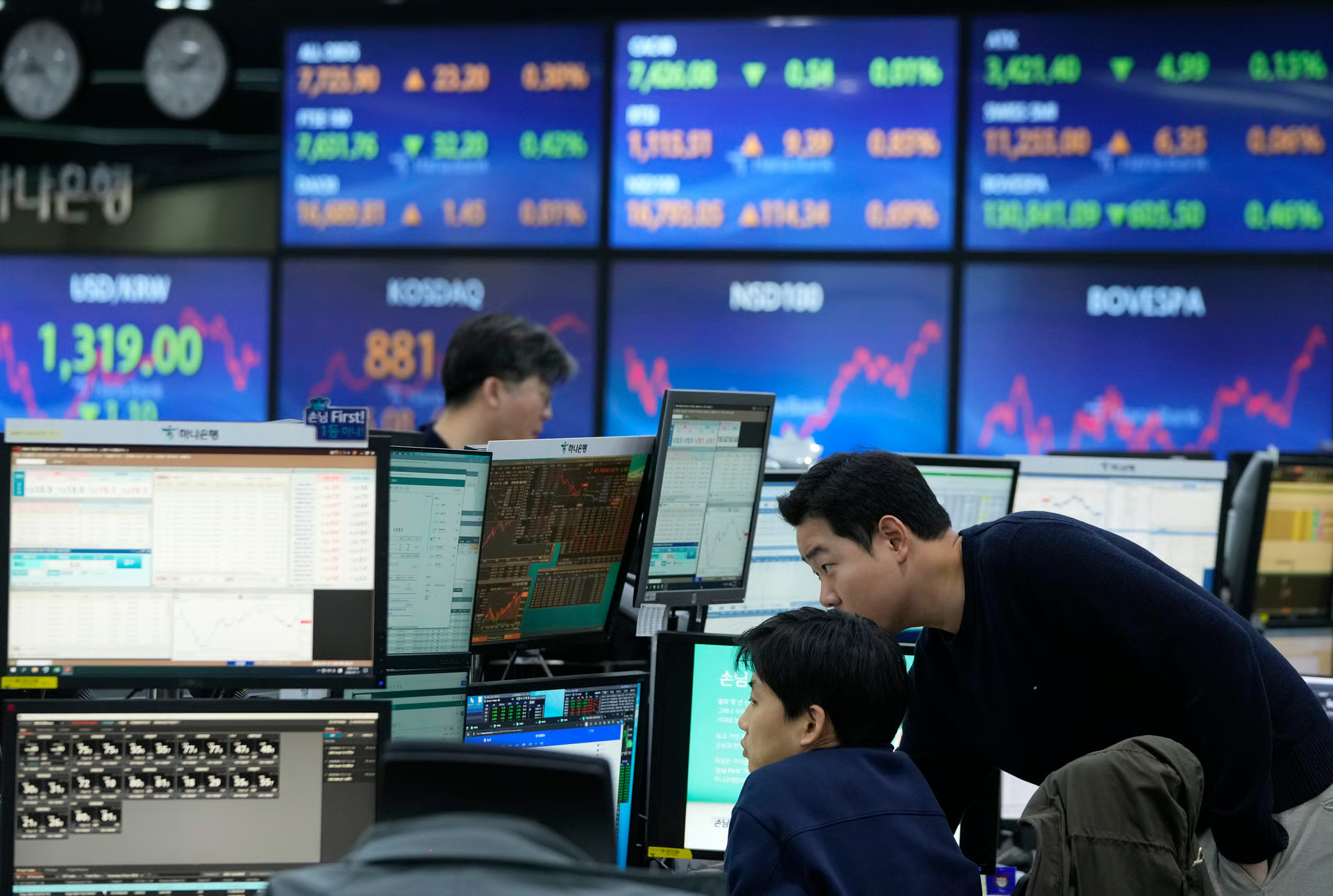
Asian Stocks Rally as Nvidia Earnings Boost Tech Shares and Samsung Lifts KOSPI
Asian stock markets moved sharply higher on Thursday, driven by renewed optimism in the technology sector after strong earnings from Nvidia reinforced confidence in continued artificial intelligence demand.
Investor sentiment also improved after Samsung Electronics reached a tentative wage agreement with its labor union, avoiding a large-scale strike and easing concerns over semiconductor supply disruptions.
Meanwhile, U.S. stock futures traded mostly flat after early declines in Asian trading hours, following gains on Wall Street before Nvidia’s earnings release.
South Korea’s KOSPI Surges Nearly 8% After Samsung Strike Is Avoided
South Korea’s KOSPI index jumped 7.9% to 7,777.27 points, marking one of its strongest sessions in months.
Samsung Electronics shares rose almost 8% after the company and union representatives reached a last-minute tentative agreement on wages, suspending plans for an 18-day strike involving nearly 48,000 workers.
The agreement reduced fears of disruptions to global memory chip supplies at a time when demand for AI infrastructure remains strong.
Nvidia Earnings Spark Recovery in Asian Chip Stocks
Technology and semiconductor shares across Asia gained momentum after Nvidia reported better-than-expected quarterly results and issued optimistic revenue guidance.
The earnings report strengthened investor confidence that spending on:
- Artificial intelligence infrastructure
- High-performance processors
- Data centers
- Cloud computing systems
continues to grow despite rising competition in the sector.
Markets viewed Nvidia’s results as another sign that global AI investment remains resilient.
Easing Middle East Tensions Improve Market Sentiment
Risk appetite also improved after reports indicated some oil tankers resumed moving through the Strait of Hormuz, easing concerns about severe energy supply disruptions.
President Donald Trump stated negotiations with Iran were in their “final stages,” increasing hopes for a possible reduction in geopolitical tensions.
Lower fears around energy disruptions helped support broader equity markets.
Major Asian Markets Post Strong Gains
Several regional stock indices advanced significantly:
- Japan’s Nikkei 225: +3.7%
- Japan’s TOPIX: +2.1%
- Australia’s S&P/ASX 200: +1.6%
- India’s Nifty 50: +0.6%
- Singapore’s Straits Times Index: +0.3%
Australia’s gains were partly supported by weaker labor market data, which increased expectations that the Reserve Bank of Australia may pause further interest rate hikes.
Chinese Markets Underperform Regional Peers
Chinese equities lagged behind other Asian markets as investors remained cautious over:
- Ongoing weakness in the property sector
- Questions around additional economic stimulus from Beijing
- Broader growth concerns
China’s CSI 300 index gained 0.6%, while the Shanghai Composite Index remained mostly unchanged.
Hong Kong’s Hang Seng Index also traded with limited movement, underperforming the broader regional rally.
Investors Monitor Australia Employment and Japan Economic Data
Markets also reacted to several important economic reports released across the region.
Australia’s unemployment rate rose to 4.5% in April, reaching its highest level since late 2021 after employment unexpectedly declined.
The weaker labor data strengthened expectations that the Reserve Bank of Australia could pause its tightening cycle.
In Japan, exports increased strongly during April, supporting trade performance. However, business activity indicators presented a mixed picture:
- Manufacturing activity expanded for an 11th consecutive month
- Growth slowed slightly due to weaker external demand and rising costs
- The services sector slipped back into contraction
The data suggests Japan’s economic recovery remains uneven despite resilience in manufacturing.
AI Optimism and Lower Geopolitical Risk Drive Asian Equities Higher
Strong earnings from Nvidia, easing concerns over Samsung supply disruptions, and hopes for reduced Middle East tensions combined to push Asian markets sharply higher.
Investors remain focused on whether AI-related spending, central bank policy expectations, and geopolitical developments will continue supporting risk appetite in global markets.