Iran Reviews Latest U.S. Peace Proposal as Trump Delays Further Military Action
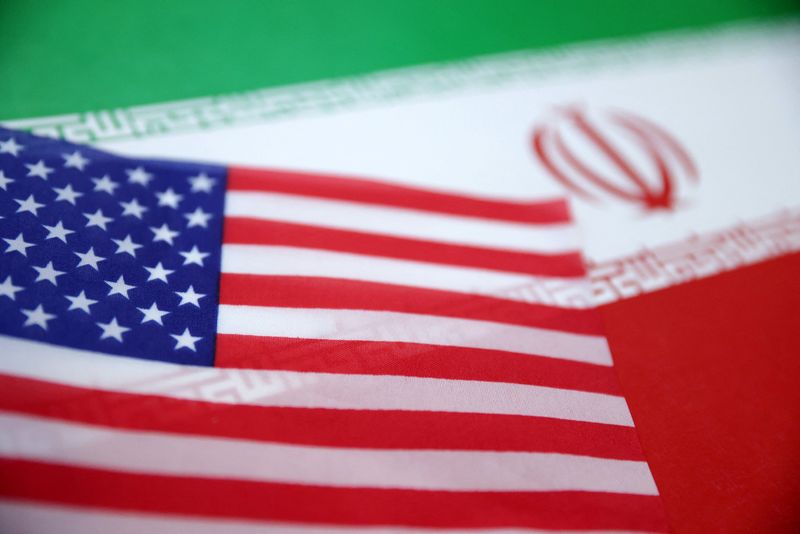
Iran has confirmed it is reviewing the latest position presented by the United States regarding efforts to end the ongoing conflict, following comments from President Donald Trump suggesting he is willing to postpone military action to allow more time for negotiations.
According to Iranian media reports, the country’s Foreign Ministry stated it had received updated U.S. views and was evaluating them. Negotiations between Iran and the United States, reportedly facilitated through Pakistan, are said to be continuing.
Trump Signals Patience but Keeps Military Option Open
Earlier this week, President Trump stated that a proposed military operation against Iran had been delayed, citing positive progress in ongoing discussions.
Trump also indicated he would allow a few more days for diplomatic efforts to succeed. However, he warned that failure to reach an agreement could result in renewed military action against Iran.
The U.S. president described the conflict as being in its “final stages,” although uncertainty around negotiations remains high.
Iran’s Nuclear Program Remains a Key Issue
One of the biggest obstacles to reaching a lasting agreement continues to be Iran’s nuclear activities.
Trump reiterated that the United States remains committed to preventing Iran from obtaining nuclear weapons, maintaining a long-standing position central to U.S. foreign policy in the region.
The nuclear issue continues to influence broader discussions surrounding peace efforts and regional security.
Tehran Warns Against Additional U.S. Attacks
Iranian officials previously warned that further military action by the United States could escalate the conflict beyond the region.
Tehran stated earlier this week that renewed hostilities risk widening instability and increasing geopolitical tensions.
The warning came amid fragile ceasefire conditions and ongoing diplomatic uncertainty.
Peace Talks Show Limited Progress Despite Ceasefire
Although an Iran-U.S. ceasefire has largely remained in place, negotiations aimed at ending the conflict have shown little meaningful progress over the past six weeks.
Diplomatic efforts continue, but major disagreements appear unresolved.
The lack of a clear breakthrough has contributed to ongoing uncertainty across energy markets and geopolitical risk assessments.
Strait of Hormuz Remains Under Pressure
Shipping activity through the Strait of Hormuz, one of the world’s most important oil transit routes, remains significantly below pre-conflict levels.
The strategic waterway has become a major focal point in the conflict because of its importance to global energy supplies.
Reports indicate Iran is considering implementing toll charges for vessels passing through the strait — an idea that has reportedly appeared in several of Tehran’s negotiation proposals.
Any prolonged disruption in the region could continue affecting oil markets, inflation expectations, and international trade flows.
Outlook Remains Uncertain
While diplomatic discussions continue and military escalation has temporarily been delayed, uncertainty surrounding U.S.-Iran relations remains elevated.
Markets and policymakers are likely to remain focused on whether negotiations can produce a lasting agreement or whether tensions will intensify again in the coming weeks.