China Keeps Loan Prime Rates Unchanged for 12th Consecutive Month
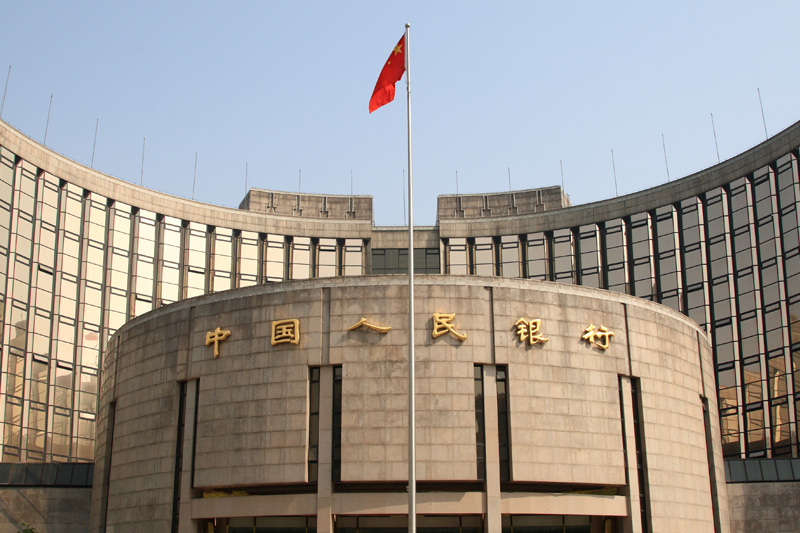
China’s central bank left its key lending rates unchanged in May, marking the 12th consecutive month without adjustments as policymakers continue balancing economic support measures against growing inflation concerns.
The decision reflects ongoing caution among authorities as China faces weaker domestic demand while also dealing with rising price pressures linked to global energy markets.
PBOC Maintains Key Lending Rates
The People’s Bank of China (PBOC) kept the one-year Loan Prime Rate (LPR) at 3.00% and the five-year LPR at 3.50%, in line with market expectations.
The one-year LPR serves as a reference point for most business and household borrowing, while the five-year rate is commonly used as a benchmark for mortgage lending across China.
Weak Economic Data Raises Growth Concerns
China’s latest economic indicators suggest domestic demand is losing momentum despite relatively solid growth during the first quarter of the year.
Recent data showed that both factory output and retail sales in April came in significantly below analysts’ forecasts, highlighting challenges facing the country’s economic recovery.
The weaker figures have increased pressure on policymakers to provide support while avoiding measures that could fuel inflation.
Rising Energy Costs Add Inflation Risks
Officials remain cautious about inflation risks, particularly as higher oil prices linked to tensions involving Iran continue to push costs upward.
China’s factory-gate prices have recently returned to positive territory for the first time in more than three years. The shift suggests increasing cost pressures for manufacturers and raises concerns over broader inflation trends.
Markets Expect Targeted Support Instead of Rate Cuts
The People’s Bank of China has continued to describe its monetary policy stance as “moderately loose.” However, investors increasingly believe authorities may favour targeted stimulus measures rather than broad interest rate cuts in the near future.
Such measures could include support for specific industries, credit programmes or fiscal initiatives aimed at stabilising growth without significantly increasing inflationary pressures.
China’s future monetary policy decisions will likely depend on whether economic weakness or inflation risks become the dominant concern in the coming months.