Tesla Stock Falls Nearly 4% as Pricing Concerns and Musk-Related Risks Pressure Shares
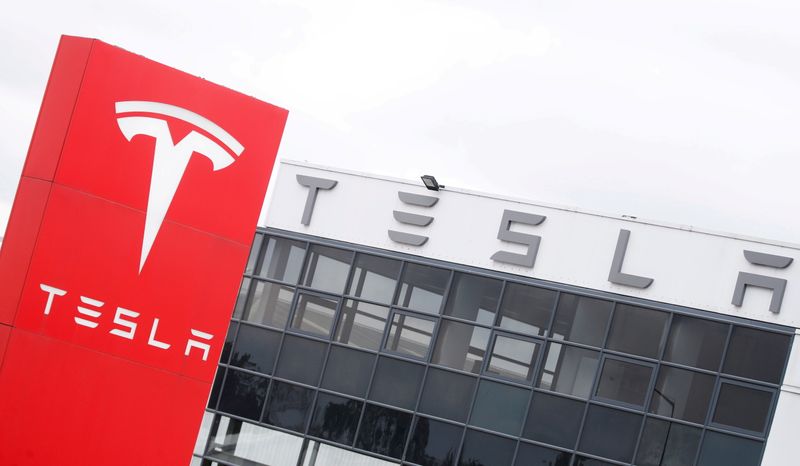
Tesla shares dropped sharply on Tuesday, extending recent losses as investors reacted to concerns over the company’s pricing strategy, pressure on profit margins and broader uncertainty surrounding CEO Elon Musk.
Tesla stock fell 3.8% during morning trading to around $394.43, continuing a multi-session decline fueled by both company-specific developments and weaker market sentiment.
Tesla’s Model Y Price Increase Raises Investor Concerns
One of the biggest catalysts behind the selloff was Tesla’s unexpected decision to increase prices for higher-end versions of its popular Model Y crossover.
The company raised prices on certain all-wheel-drive configurations by between $500 and $1,000, pushing some variants closer to the $50,000 price level.
While higher prices may support revenue per vehicle, investors appear concerned the move could indicate:
- Rising production costs
- Pressure on operating margins
- Potential weakening demand in the EV market
Concerns over affordability and slowing electric vehicle adoption continue influencing sentiment toward automakers.
Musk Faces Additional Pressure From OpenAI Legal Dispute
Investor caution increased following legal developments involving Elon Musk and OpenAI CEO Sam Altman.
A federal jury reportedly rejected claims made by Musk regarding OpenAI’s original mission structure, adding another layer of reputational pressure around the Tesla chief executive.
Although unrelated directly to Tesla’s operations, Musk’s public profile frequently influences sentiment surrounding the company’s shares.
SpaceX IPO Expectations May Shift Investor Attention
Another factor weighing on Tesla is speculation around a future IPO involving SpaceX.
Investors have increasingly viewed SpaceX as a potential competing opportunity for capital allocation, particularly among Musk-focused investors.
A future public listing could potentially divert attention and investment flows away from Tesla.
Analysts Maintain Cautious Outlook on Tesla Stock
On Wall Street, caution remains widespread.
Barclays maintained a Hold rating on Tesla, reinforcing mixed analyst sentiment.
Current analyst recommendations reportedly include:
- 12 Buy ratings
- 12 Hold ratings
- 5 Sell ratings
The average price target stands near $403.86, suggesting limited upside relative to recent trading levels.
Weak Broader Markets Add Pressure
Tesla’s decline also comes during a broader risk-off session across U.S. markets:
- S&P 500: down 0.9%
- Nasdaq Composite: down 1.4%
- Dow Jones Industrial Average: down 0.5%
Higher bond yields, geopolitical tensions and cautious investor sentiment have weighed heavily on growth stocks and technology shares.
Electric vehicle peers also traded lower, indicating sector-wide weakness beyond Tesla-specific concerns.
Tesla Increasingly Trades on AI Expectations, Not Just EV Sales
Tesla’s valuation is no longer driven solely by vehicle deliveries.
Investors are placing growing emphasis on the company’s artificial intelligence ambitions, including:
- Robotaxi development
- Autonomous driving technology
- Robotics initiatives
However, vehicle sales remain Tesla’s largest source of revenue, meaning any signs of slowing demand continue carrying significant influence over the stock.
Selling Pressure Remains Persistent
During Tuesday’s session, Tesla traded between a high near $404.75 and a low around $393.63, reflecting sustained selling pressure throughout the day.
The combination of pricing uncertainty, competitive EV market dynamics, Musk-related headlines and cautious analyst sentiment created multiple headwinds simultaneously.
Outlook: Investors Seek Clarity on Demand and Margins
Future performance in Tesla shares may depend on whether management can reassure investors about demand trends, profitability and long-term growth beyond electric vehicles.
For now, concerns around margins and slowing EV momentum appear to be outweighing optimism surrounding Tesla’s AI narrative.