Asian Currencies Fall as Hawkish Fed Outlook Pushes Rupee to Record Low
Asian currencies extended their losses on Friday, while the Indian rupee weakened to a new all-time low. Stronger U.S. economic data boosted the dollar and reinforced expectations that the Federal Reserve may maintain a hawkish monetary policy stance for longer.
Investors also continued monitoring developments from the summit between U.S. President Donald Trump and Chinese President Xi Jinping in Beijing.
The U.S. Dollar Index rose 0.2% during Asian trading hours, marking its fifth consecutive daily gain and putting it on track for its strongest weekly performance in over two months.
Strong U.S. Data Strengthens Expectations for Higher Interest Rates
Recent U.S. economic indicators pointed to continued resilience in the American economy.
Data released on Thursday showed U.S. retail sales increased by 0.5% in April, matching forecasts, while weekly unemployment claims remained relatively low, highlighting strength in the labor market. Import prices also climbed 1.9%, driven largely by the sharpest increase in fuel costs seen in four years.
Earlier inflation reports, including both consumer and producer price data, also exceeded expectations.
As a result, financial markets have significantly reduced expectations for Federal Reserve interest rate cuts in 2026. According to CME FedWatch data, expectations for a 25-basis-point Fed rate hike in December increased to around 40%, compared with 22% a week earlier.
Asian Currencies Head for Weekly Losses
Several major Asian currencies remained under pressure against the stronger U.S. dollar.
The Japanese yen weakened slightly, with the USD/JPY pair rising 0.1%. The pair was on course for a weekly gain of approximately 1.2%, increasing speculation about potential intervention from Japanese authorities.
The South Korean won also lost ground, with the USD/KRW pair climbing 0.3% and heading toward a 2.5% weekly increase.
Meanwhile, the Australian dollar fell 0.5%, while the Singapore dollar weakened modestly as the USD/SGD pair gained 0.1%.
Trump-Xi Summit Remains Key Market Focus
Markets remained cautious as investors awaited further outcomes from talks between President Donald Trump and Chinese President Xi Jinping.
During initial discussions, Xi said progress had been made on trade relations but warned that disagreements surrounding Taiwan could push bilateral relations into a “dangerous place.”
The leaders also discussed tensions in the Middle East, artificial intelligence cooperation and energy trade. Trump later stated that China showed interest in purchasing more U.S. oil.
Despite optimistic comments, markets remained cautious because no major policy agreements or trade breakthroughs emerged from the summit’s first day.
Investor sentiment was further affected after Trump adopted a tougher stance toward Iran, stating in a Truth Social post that “the military decimation of Iran (to be continued!).”
Indian Rupee Falls to Historic Low Near 96 Per Dollar
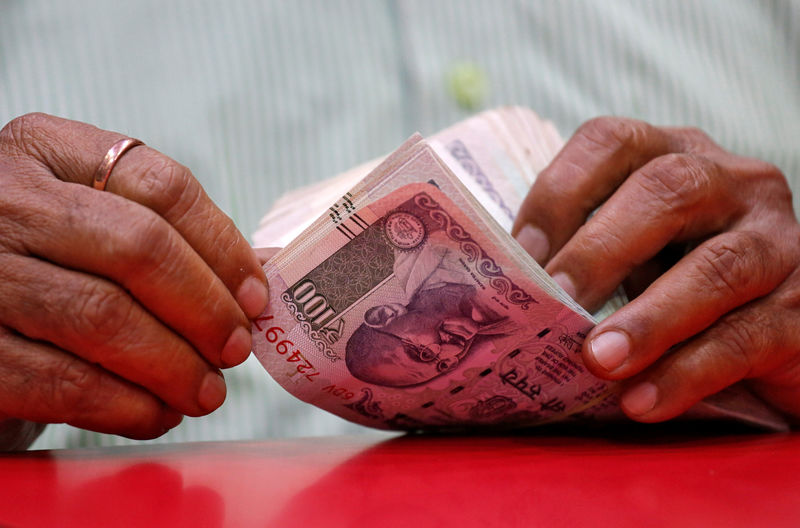
The Indian rupee experienced additional pressure, with the USD/INR exchange rate reaching a record high of 95.96 rupees per U.S. dollar. The currency pair was on track for a weekly increase of 1.3%.
Several factors contributed to the rupee’s weakness, including rising oil prices, foreign investment outflows and concerns over India’s expanding import costs.
India, one of the world’s largest crude oil importers, remains highly exposed to global energy price increases, particularly after disruptions in the Strait of Hormuz intensified market volatility.
Recent government austerity measures and pressure on capital flows have also influenced sentiment toward the currency.
Analysts at MUFG noted they remain cautious on the rupee, adding that even under a scenario of reduced geopolitical tensions, the Indian currency may continue underperforming compared with major Asian and G10 currencies.