Gold Prices Slip as Markets Monitor Iran Conflict
Gold prices moved lower on Wednesday as the U.S. dollar strengthened and investors closely watched geopolitical developments surrounding the ongoing Iran conflict and upcoming talks between Donald Trump and Xi Jinping.
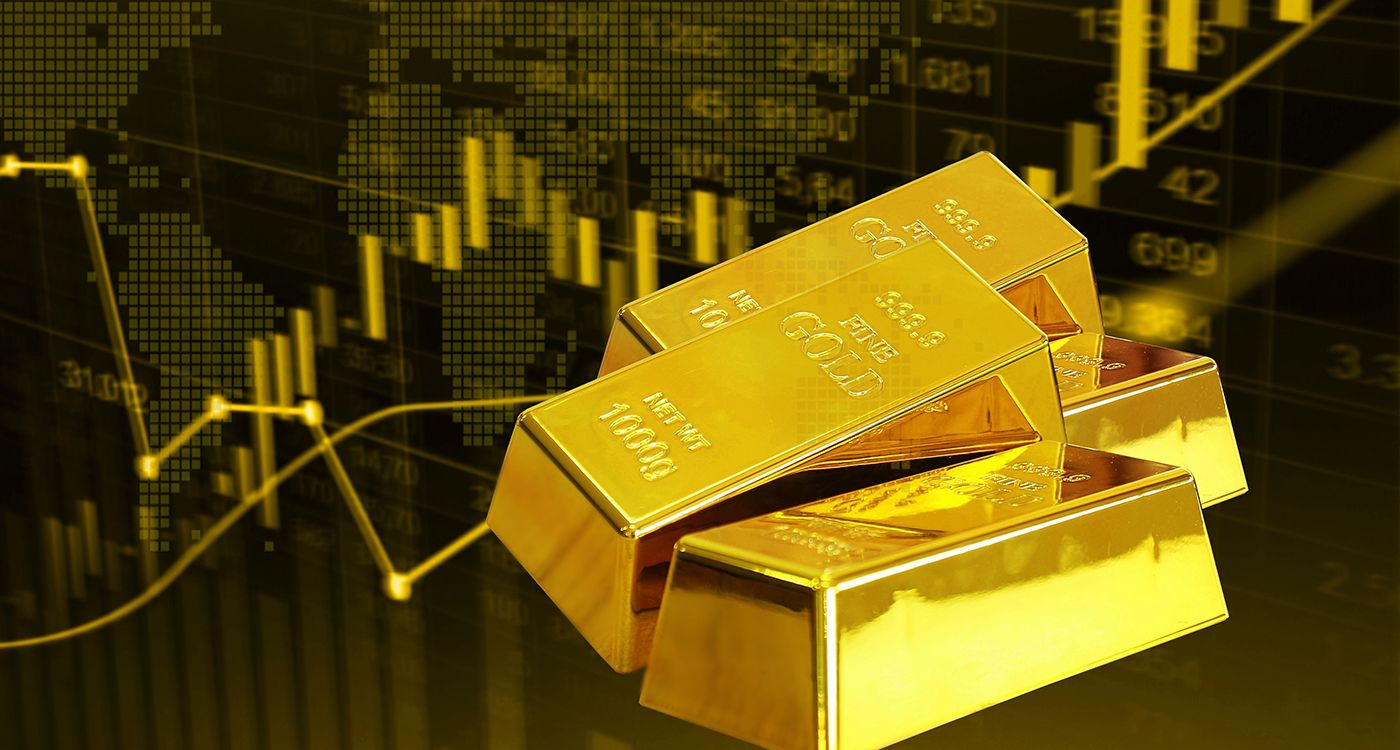
Spot gold declined 0.8% to $4,677.17 per ounce by late morning trading, while gold futures slipped 0.1% to $4,682.87 per ounce.
The precious metal had already fallen during the previous session as stronger inflation data and a firmer U.S. dollar pressured bullion markets.
Iran Peace Hopes Continue to Fade
Investor sentiment remained cautious after Trump stated earlier this week that negotiations with Iran were effectively on “life support.”
The comments came after Tehran reportedly rejected a U.S.-backed proposal aimed at ending the conflict and reopening the Strait of Hormuz, one of the world’s most important oil shipping routes.
The latest developments reduced optimism surrounding a potential ceasefire and kept geopolitical uncertainty elevated across global financial markets.
Trump and Xi Summit Draws Global Attention
Markets are now focused on the upcoming summit between Trump and Xi in Beijing, where the two leaders are expected to discuss several major geopolitical and economic issues.
Topics expected to dominate the discussions include trade tensions, the Iran war, Taiwan, and global supply chain disruptions.
Some analysts believe China could potentially play a role in securing a long-term peace agreement because of its heavy reliance on Iranian crude oil imports. However, expectations for a major diplomatic breakthrough remain limited.
Strait of Hormuz Disruptions Raise Inflation Fears
The ongoing Iran conflict has significantly disrupted shipping activity through the Strait of Hormuz for more than two months.
The waterway is considered one of the world’s most critical energy transit routes, and disruptions have intensified fears of prolonged energy-driven inflation across global economies.
These concerns were reinforced by recent U.S. inflation data, which showed consumer prices rising faster than expected in April.
Rising Treasury Yields Pressure Gold
Following the inflation report, U.S. Treasury yields climbed as investors increasingly expect the Federal Reserve to maintain higher interest rates or potentially tighten monetary policy further.
Higher borrowing costs typically weigh on non-yielding assets such as gold, making them less attractive compared to interest-bearing investments.
Analysts at ING noted that markets are currently experiencing a repricing phase rather than aggressive selling, although they warned that volatility could increase if inflation pressures continue to rise.
Producer Prices and Stronger Dollar Add Pressure
Fresh economic data also showed that U.S. producer price growth accelerated in April at its fastest pace since March 2022, adding to concerns about the broader economic impact of the ongoing energy shock linked to the Iran war.
Meanwhile, the U.S. dollar index moved higher and hovered near a one-week high against major global currencies.
A stronger dollar often pressures gold prices because it makes the metal more expensive for international buyers using other currencies.