OPEC Cuts Global Oil Demand Growth Forecast
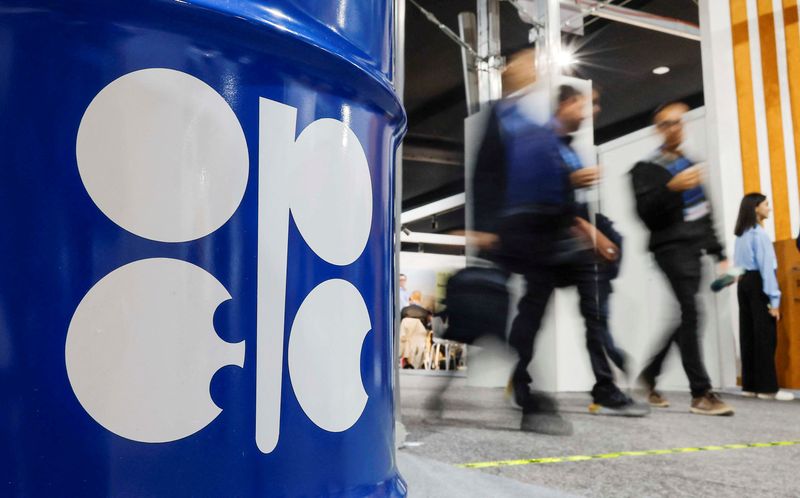
Organization of the Petroleum Exporting Countries, widely known as OPEC, has reduced its outlook for global oil demand growth amid continued uncertainty surrounding the ongoing Iran conflict and disruptions in global energy markets.
The latest revision highlights growing concerns over supply chain instability and geopolitical tensions affecting international oil transportation routes.
OPEC Revises 2026 Oil Demand Expectations
According to a new report published by OPEC, the organization now expects global oil demand to grow by 1.7 million barrels per day. This marks a revision from the group’s previous forecast of 1.38 million barrels per day.
The updated outlook reflects changing market conditions tied to the Iran war and increased pressure on major shipping routes.
Europe and Asia Face Supply Disruptions
OPEC expects oil demand in Europe and the Asia-Pacific region to weaken as tanker disruptions continue around the Strait of Hormuz.
Demand in Europe is projected to decline by approximately 0.03 million barrels per day, while Asia-Pacific demand could fall by around 0.08 million barrels per day.
Both regions remain highly exposed to shipping instability caused by reduced tanker access through the strategically important waterway.
OPEC More Optimistic About 2027
Despite weaker near-term expectations, OPEC slightly upgraded its forecast for 2027 global oil demand growth.
The organization now expects oil demand to increase by roughly 1.5 million barrels per day year-over-year in 2027. This represents an upward revision of around 0.2 million barrels per day compared to last month’s projection.
Strait of Hormuz Crisis Continues to Impact Markets
The Strait of Hormuz has faced severe disruptions since the United States and Israel launched coordinated military operations against Iran earlier this year.
Following the escalation, both the U.S. and Iran imposed separate blockades around the strategic shipping corridor. Although a fragile ceasefire remains in place, tensions between the countries continue over the possibility of a long-term peace agreement.
The Strait of Hormuz remains one of the world’s most critical oil transportation routes, making any disruption highly significant for global energy markets.
Shipping Costs and Tanker Markets Shift
Earlier this year, OPEC noted that rerouting tanker traffic away from the Strait of Hormuz altered shipping dynamics across multiple regions.
Crude oil shipping costs eased from record highs in several markets, although transportation expenses in the Middle East remained elevated compared to last year.
At the same time, demand for refined fuel transportation increased, pushing clean tanker rates higher across the Mediterranean and Asian markets.